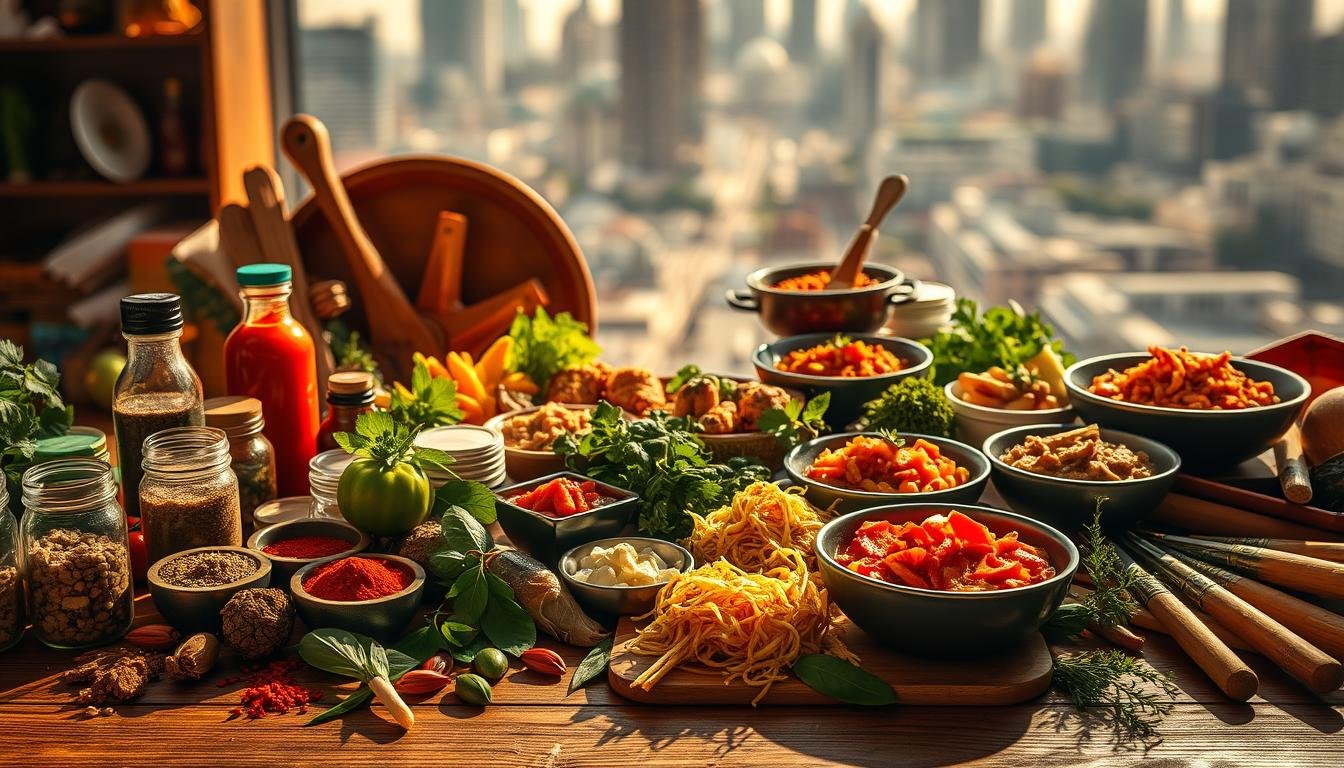
Trending World Flavors: Healthy, Tasty, and Easy to Try
Trending World Flavors for Easy, Delicious Home Cooking
The culinary landscape in the United States is constantly evolving, with flavor trends playing a significant role in shaping American cuisine. As global flavors become more accessible, they’re reshaping consumer preferences and creating new opportunities for culinary exploration.
By embracing these emerging international tastes, home cooks and diners can elevate their dining experiences. Flavor forecasting indicates that certain global flavors are gaining momentum, poised to become mainstream in the US market.
This guide will introduce you to bold flavor profiles, regional cuisines, and innovative combinations that are on the rise. By staying ahead of these trends, you’ll be able to expand your culinary horizons and bring exciting new flavors to your table.
The Global Flavor Revolution Reshaping American Palates
The American palate is undergoing a significant transformation, driven by the influx of international flavors. This shift is largely influenced by globalization, travel experiences, and multicultural interactions, making consumers more adventurous in their food choices.
Why International Flavors Are Gaining Momentum
Several factors are contributing to the growing popularity of international flavors. Innova Market Insights, a specialist in consumer-packaged goods trends for 30 years, has observed a significant change in consumer behavior. According to their research, American consumers are seeking more diverse and authentic flavor profiles due to increased exposure to global cuisines.
- Increased travel and cultural exchange have broadened consumers’ culinary horizons.
- The pandemic has accelerated at-home culinary experimentation, creating a demand for new and exciting flavors.
- Younger generations are driving the demand for more adventurous and authentic international flavor experiences.
How Social Media Is Accelerating Flavor Discovery
Social media platforms like TikTok and Instagram have become powerful catalysts for flavor trends. Viral food content exposes millions to international cuisines overnight, while food influencers and content creators introduce niche regional flavors to mainstream audiences through engaging visual content.
| Platform | Impact on Flavor Trends | Key Features |
|---|---|---|
| TikTok | Viral food challenges and recipe videos | Short-form videos, hashtag challenges |
| Food influencer marketing, visually appealing content | High-quality images, stories, reels |
The digital age has compressed the traditional flavor trend cycle, with international tastes moving from obscurity to ubiquity faster than ever before. As consumers continue to seek new and exciting flavors, the global flavor revolution is expected to reshape the American food landscape.
Trending World Flavors: What’s Hot on the Horizon
The American palate is experiencing a significant shift, driven by the rise of global flavors and cuisines. This trend is reflected in the growing popularity of various international flavors and dishes.
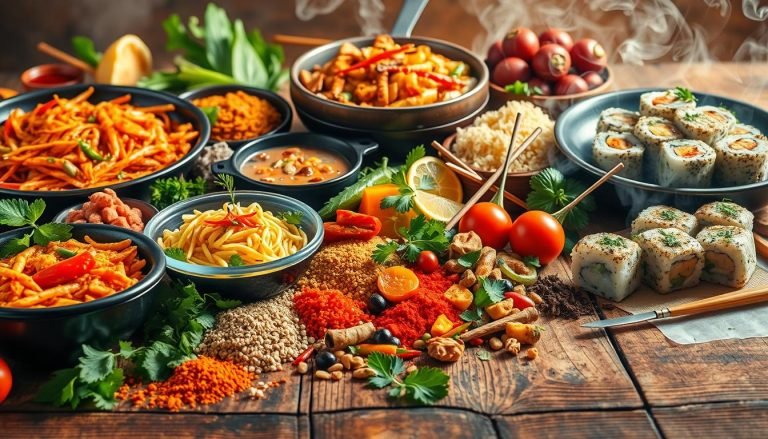
Asian Flavor Frontrunners
Asian flavors are at the forefront of this trend, with ingredients like yuzu and gochujang gaining widespread appeal. Yuzu, a citrus fruit from East Asia, is being incorporated into various food products due to its unique flavor profile.

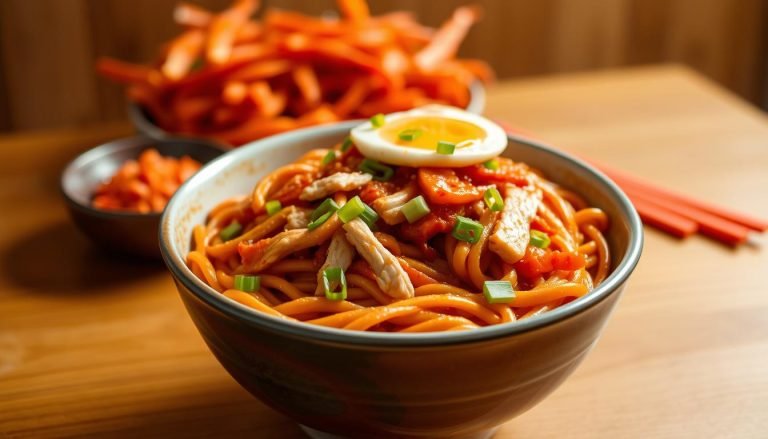
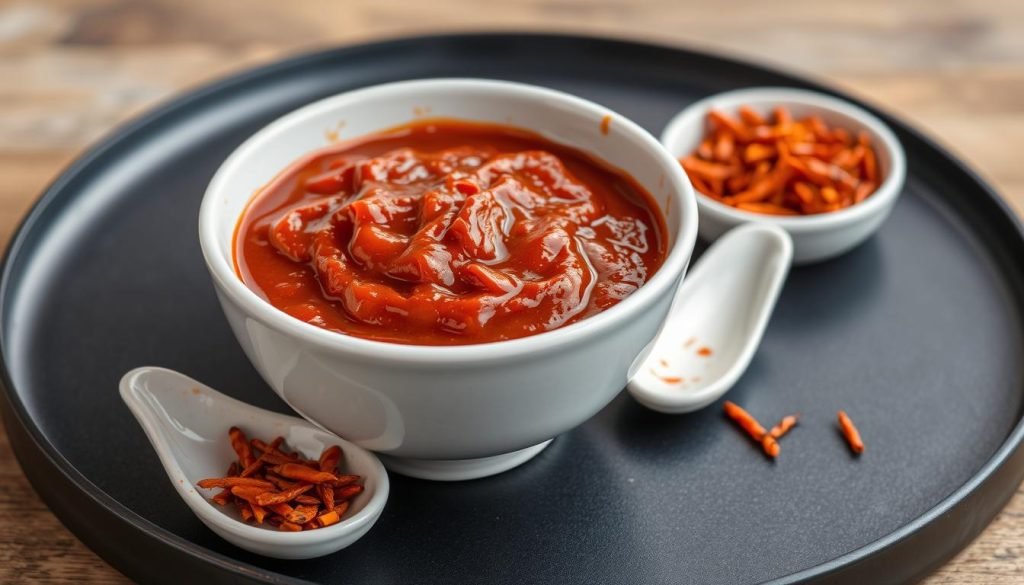
Gochujang, a fermented Korean chili paste, is another flavor making waves in the U.S. market. Its spicy, savory taste is being used in a variety of dishes, from traditional Korean recipes to fusion cuisine.
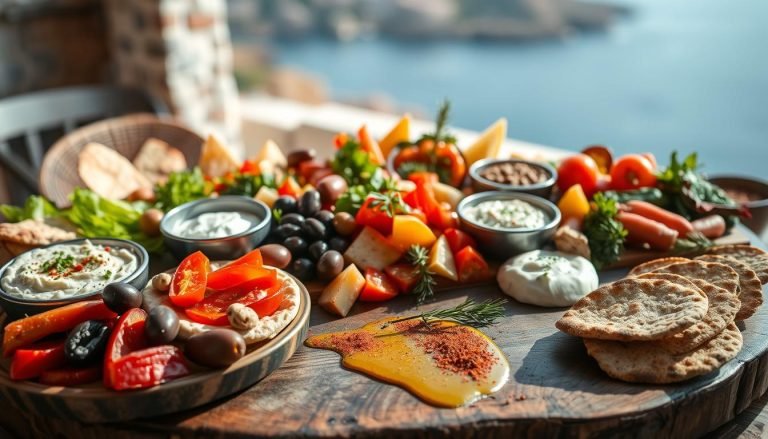
Middle Eastern Taste Sensations
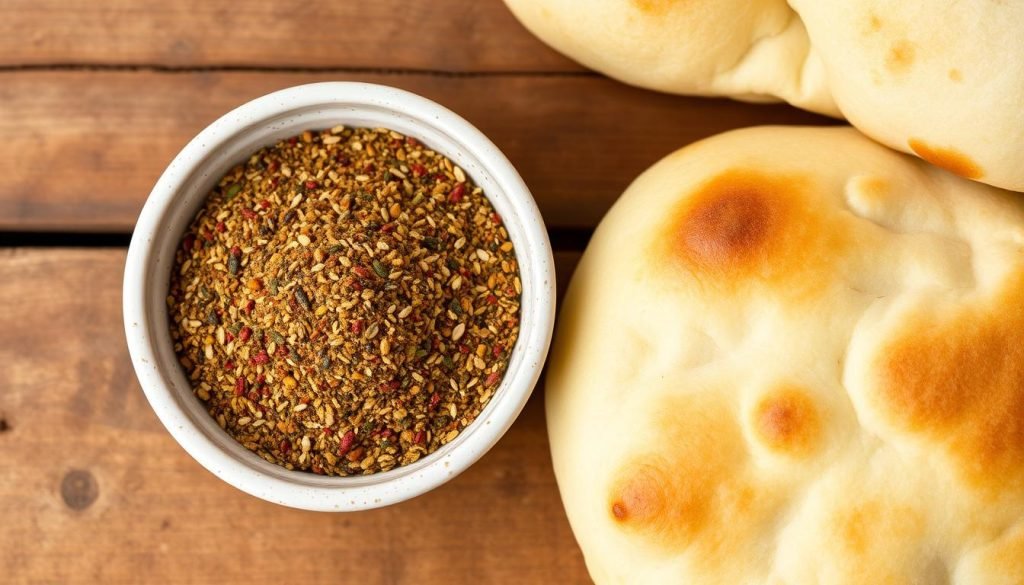
Middle Eastern flavors are also trending, with spices like za’atar and sumac becoming increasingly popular. Za’atar, a blend of herbs and spices, is often used to add depth to various dishes.
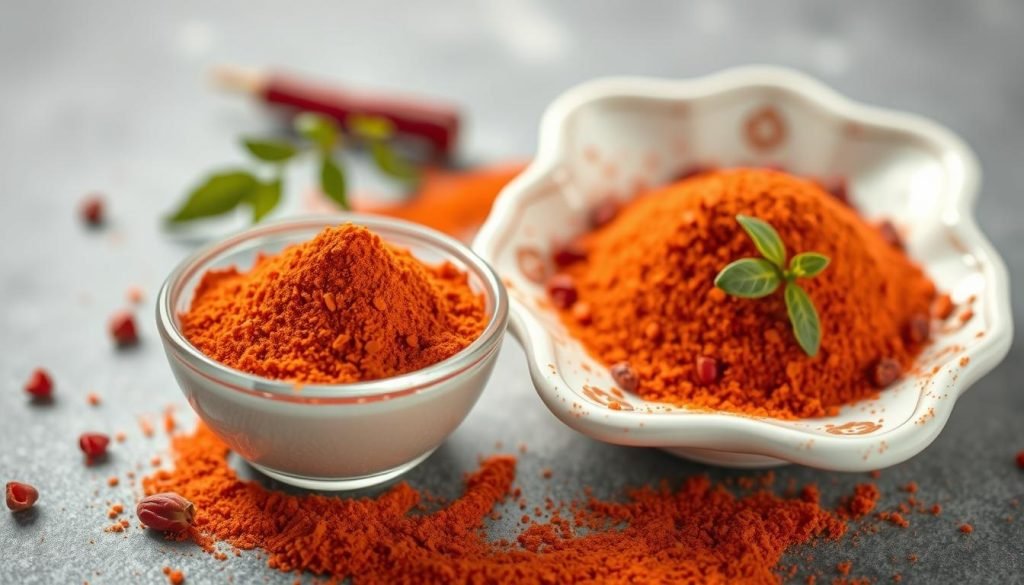
Sumac, known for its tangy, slightly sour taste, is being used in both savory and sweet applications, adding a unique twist to traditional recipes.
Emerging Regional Cuisines
The rise of global flavors is also leading to the discovery of emerging regional cuisines. Cuisines from regions like West Africa, the Caribbean, and Eastern Europe are stepping into the spotlight.
These cuisines offer a rich tapestry of flavors and dishes that are beginning to appear on trend-setting menus and in specialty food products.
The trend reflects a broader cultural appreciation and culinary curiosity among American consumers, who are eager to explore new flavors and cuisines.
Sensory Therapy: Flavors That Enhance Your Mood
With stress on the rise, people are seeking comfort in flavors that can enhance their mood and overall sense of well-being. The connection between taste experiences and emotional state is becoming increasingly important.
Comforting Brown Flavors
Brown flavors such as coffee, caramel, and chocolate are favorites among consumers, especially when paired with products that have a creamy or smooth texture. These comforting flavors provide familiarity and emotional warmth.
Euphoric and Uplifting Taste Experiences
Certain flavor profiles can trigger emotional responses and enhance mood states in consumers. Bright, acidic, and complex flavors combine to create energizing sensations, often featuring citrus, ginger, and specific spice combinations.
Calming Flavor Profiles
Botanical elements like lavender, chamomile, and lemongrass are being incorporated into products to promote relaxation and stress reduction. These calming flavors are part of a growing trend towards sensory therapy through flavor.
| Flavor Profile | Emotional Impact | Common Ingredients |
|---|---|---|
| Comforting Brown Flavors | Provides emotional warmth and familiarity | Coffee, Caramel, Chocolate |
| Euphoric and Uplifting | Energizing and mood-enhancing | Citrus, Ginger, Spice combinations |
| Calming | Promotes relaxation and stress reduction | Lavender, Chamomile, Lemongrass |
As consumer preferences continue to evolve, manufacturers are developing products with specific emotional states in mind, creating new categories focused on functional mood enhancement through flavor.
Authentic & Rooted: Heritage-Based Flavor Trends
Heritage-based flavor trends are gaining momentum as consumers look for authentic and meaningful connections to their culinary roots. This trend is driven by a desire for genuine cultural experiences and comfort through real experiences rooted in culture.
Traditional Recipes Making a Comeback
Traditional recipes are making a comeback as consumers seek meaningful connections to culinary traditions and history. Nearly half of the consumers globally say that honoring food traditions with food choices that reflect their heritage is a very to extremely important factor in their diet.
Cultural Authenticity in Modern Products
Cultural authenticity is crucial in modern food products. Consumers can distinguish between genuine representations and superficial appropriations. Food companies are partnering with cultural experts and traditional cooks to ensure respectful and accurate flavor development.
| Heritage-Based Flavor Trends | Examples | Growing Demand |
|---|---|---|
| Traditional Recipes | Old family recipes, cultural dishes | High |
| Nostalgic Flavors | Childhood flavors, cultural nostalgia | Medium |
| Cultural Authenticity | Authentic ethnic flavors, traditional cooking methods | High |
Nostalgic Flavors with Contemporary Twists
Nostalgic flavors are being reimagined with contemporary twists, creating bridges between traditional tastes and modern preferences. Second and third-generation immigrants are driving demand for authentic representations of their cultural heritage in mainstream products.
The trend towards heritage-based flavors is expected to continue, with consumers seeking products that reflect their cultural roots and traditions. As the demand for authentic flavors grows, food companies will need to innovate while staying true to cultural heritage.
Bold Fusion Combinations Breaking Boundaries
As consumers become more adventurous, bold fusion combinations are breaking boundaries in the food and beverage industry. This trend is driven by the pursuit of novel taste experiences and unique flavor combinations.
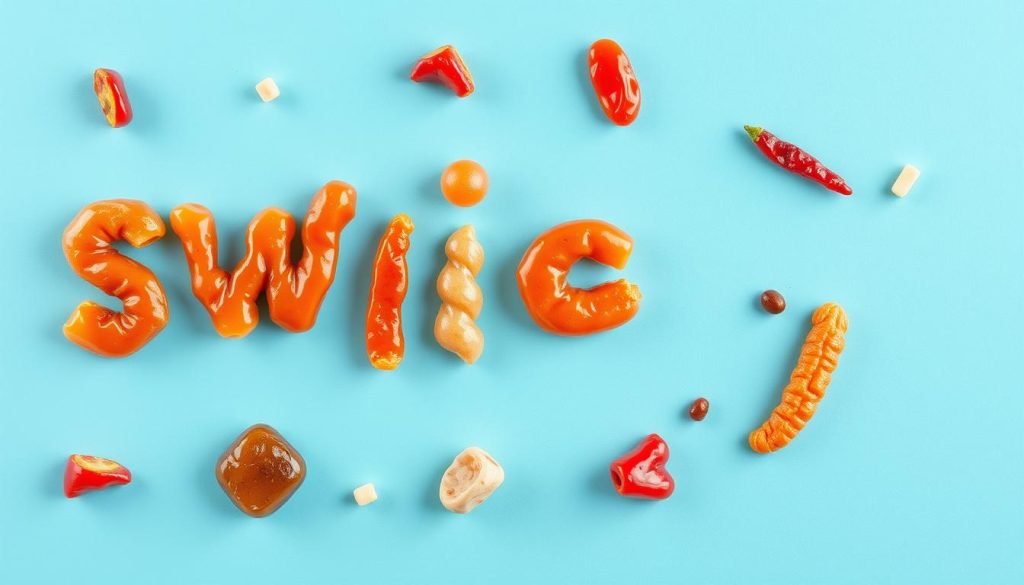
Sweet Meets Spicy: The “Swicy” Phenomenon
The “swicy” trend, combining sweet and spicy flavors, is revolutionizing snacks and beverages. Popular pairings include honey-sriracha, mango-chili, and chocolate with cayenne or chipotle.
Cross-Cultural Flavor Mashups
Fusion cuisine is creating innovative experiences by blending culinary traditions. Examples include Korean-Mexican, Indian-Italian, and Japanese-Peruvian mashups, introducing new flavor combinations to the market.
Unexpected Ingredient Pairings
Innovative food beverage companies are experimenting with unexpected ingredient pairings, challenging conventional flavor wisdom. This innovation is driven by consumers seeking memorable taste experiences, often resulting in unique sauces and condiments.
These bold fusion combinations are not only appearing in packaged snacks and specialty sauces but also on restaurant menus, driving culinary innovation forward.
Functional Flavors: Taste with Benefits
Functional flavors are revolutionizing the way we think about food and beverages, combining taste with health benefits. Consumers are increasingly seeking flavors with benefits—ingredients that not only taste great but also contribute to well-being.
Adaptogenic and Nootropic Infusions
Ingredients like lion’s mane and ashwagandha are appearing in beverages and snacks for their cognitive and stress-relief properties. These adaptogenic and nootropic infusions support cognitive function and stress management, making them a popular choice among health-conscious consumers.
Fermented Flavor Profiles
Gut-healthy fermented flavors, such as kombucha, kefir, and kimchi-based innovations, continue to gain traction. Fermentation is being used to develop unique umami flavor characteristics in plant-based product alternatives, enhancing their taste and nutritional profile.
Plant-Based Flavor Innovations
Plant-based flavor innovations are helping manufacturers create more convincing meat and dairy alternatives through advanced flavor technology. These innovations cater to the growing demand for health-conscious and sustainable food options, influencing consumer preferences and expectations.
The incorporation of functional flavor ingredients into product formulations is driven by consumer demand for healthier options. As a result, the flavor industry is evolving to meet these needs, focusing on ingredients that provide both taste satisfaction and health benefits.
How to Incorporate Bold International Flavors at Home
Incorporating international flavors into your daily meals can be achieved with a few essential ingredients and techniques. This approach not only enhances your cooking but also broadens your culinary horizons.
Pantry Essentials for Global Cooking
Building a global pantry is the first step towards exploring international flavors. Essential ingredients include versatile spice blends, condiments, and flavor bases that can transform everyday cooking. Some must-have items are Korean chili flakes (gochugaru), Indian curry powder, and Middle Eastern sumac.
| Ingredient | Origin | Common Use |
|---|---|---|
| Gochujang | Korea | Marinades and sauces |
| Curry Powder | India | Curries and stews |
| Sumac | Middle East | Salads and grilled meats |
Simple Flavor Combinations to Try First
For beginners, starting with simple flavor combinations is key. Try pairing familiar ingredients with international flavors. For example, add Korean chili flakes to your scrambled eggs or sprinkle sumac on roasted vegetables.
Where to Source Authentic Ingredients
Finding authentic ingredients is crucial for true international flavors. Specialty grocers, online retailers, and international markets are excellent sources. When shopping, look for high-quality ingredients and avoid mass-market imitations.
By incorporating these tips into your cooking routine, you’ll be able to enjoy bold international flavors at home, inspiring new culinary creations and experiences.
Conclusion: Staying Ahead of Tomorrow’s Flavor Trends
As we explore the future of American cuisine, it’s clear that international flavors are leading the way. The key international flavor trends discussed throughout this article are poised to transform the American market. Early adoption of these bold flavors can enhance culinary experiences and provide a competitive edge for food enthusiasts and professionals.
Major brands are already monitoring and responding to these trends through product innovation. This presents opportunities for home cooks, food entrepreneurs, and established manufacturers. By embracing global flavor diversity, consumers can enrich their culinary experiences and connect with worldwide food cultures.