How to Make the Most Popular Global Dishes at Home
Cook the World at Home: Easy Recipes for the Most Popular Global Dishes
Cooking global cuisine at home can be a rewarding experience, allowing you to explore flavors from around the world without leaving your kitchen.
By recreating authentic recipes, you can bring diversity to your family’s meal rotation and expand your cooking skills.
Making popular global dishes at home is not only cost-effective but also a great way to connect with different cultures and create memorable dining experiences.
With a few simple ingredients and techniques, you can transform your everyday meals into exciting culinary adventures.
The Joy of Exploring International Dishes in Your Kitchen
The joy of cooking international dishes lies in the journey of cultural exploration and culinary discovery. As you explore global cuisine, you’ll find that cooking at home can be a fun and rewarding experience.
Cooking international dishes at home offers numerous benefits. Not only can it save you money compared to dining at restaurants, but it also provides an authentic cultural experience. You can learn about the health benefits of global cuisine, which often incorporates fresh ingredients and balanced nutrition from traditional cooking methods.
Benefits of Cooking Global Cuisine at Home
Mastering international recipes can boost your confidence in the kitchen and expand your culinary repertoire beyond familiar dishes. Cooking global dishes can become a fun family activity that educates children about world geography and cultural diversity. By cooking international dishes, you can experience the rich diversity of global cuisines in the comfort of your own home.
Essential Tools and Ingredients for World Cooking
To start cooking international dishes, you’ll need some essential tools and ingredients. Investing in a wok, pasta maker, or spice grinder can make a big difference. Keeping staple ingredients like olive oil, spices, and herbs in your pantry will form the foundation of many global cuisines, making spontaneous international cooking possible.
By exploring international dishes in your kitchen, you’ll not only broaden your culinary skills but also gain a deeper appreciation for the world’s diverse culinary heritage.
European Classics: Comfort Food from Across the Atlantic
European classic dishes are a testament to the continent’s culinary richness, offering comfort food that warms the heart. From the rich pasta sauces of Italy to the sophisticated pastries of France and the hearty tapas of Spain, European cuisine has something for everyone.
Italian Pasta Sauce and Pizza: Mastering the Basics
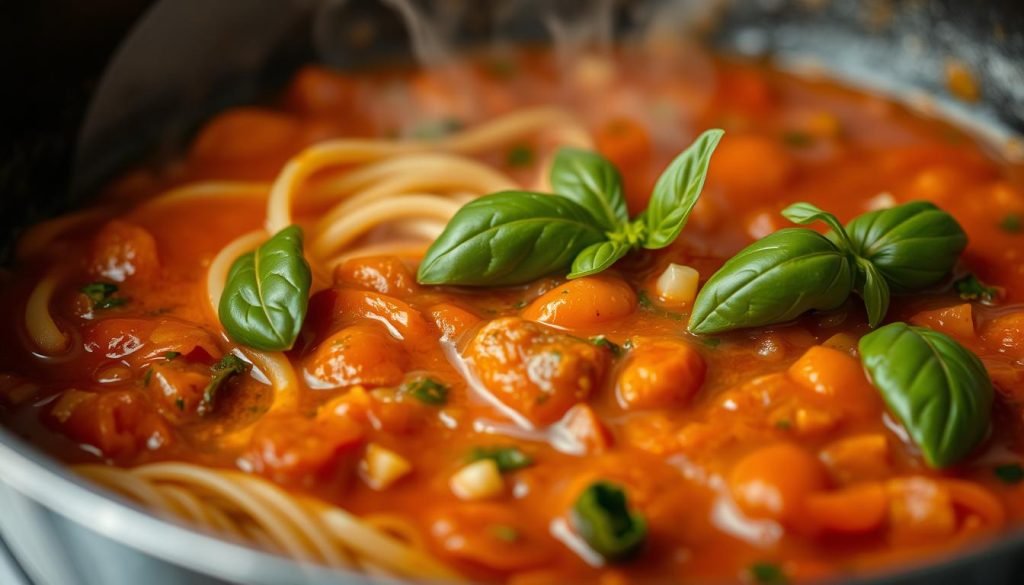
Italian cuisine is famous for its thick, flavorful pasta sauces and delicious pizzas. The secret to a great Italian pasta sauce lies in using fresh ingredients like tomatoes, garlic, and herbs. A traditional homemade Italian pasta sauce recipe involves slow-cooking these ingredients to create a rich and tangy sauce.
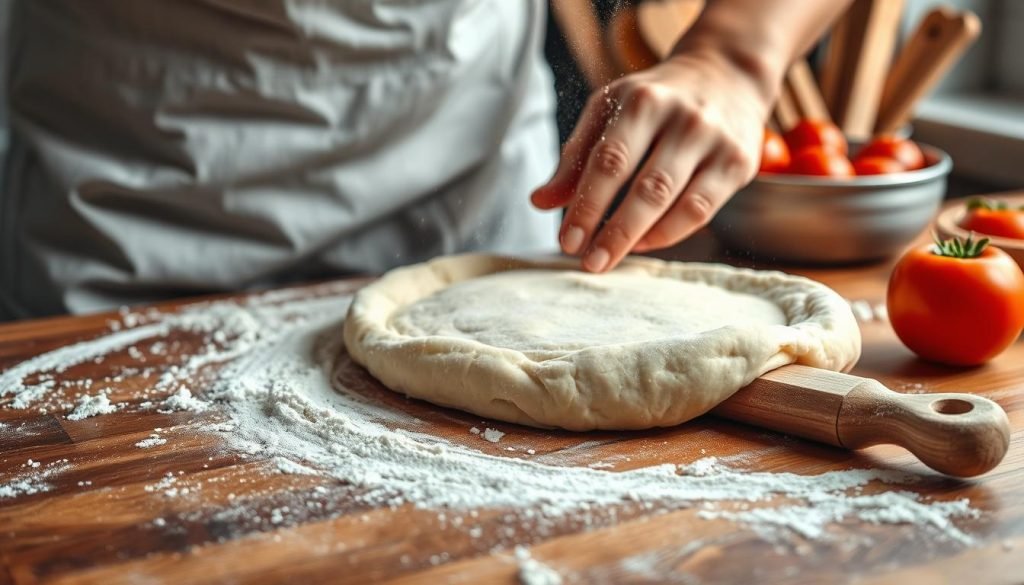
Similarly, making pizza at home can be a fun and rewarding experience. The key to a perfect pizza is in the dough, which requires proper kneading and rising times to achieve that authentic Italian texture.
French Cassoulet and Macarons: From Simple to Sophisticated
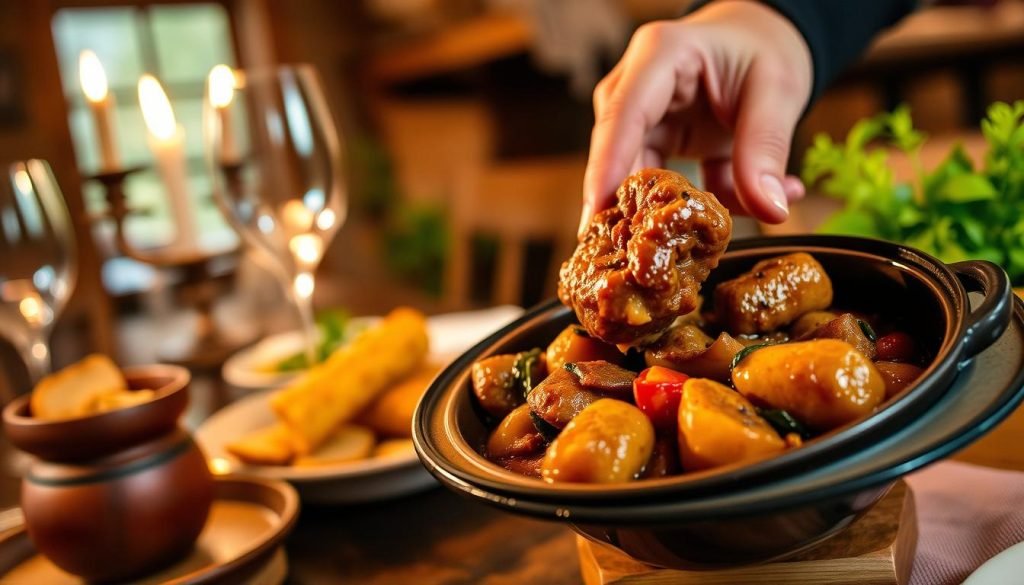
French cuisine is renowned for its sophistication, and dishes like cassoulet and macarons are perfect examples. Cassoulet, a hearty bean and meat stew, has evolved from peasant food to a sophisticated culinary delight. The key to a great cassoulet is using accessible ingredients and slow-cooking them to perfection.
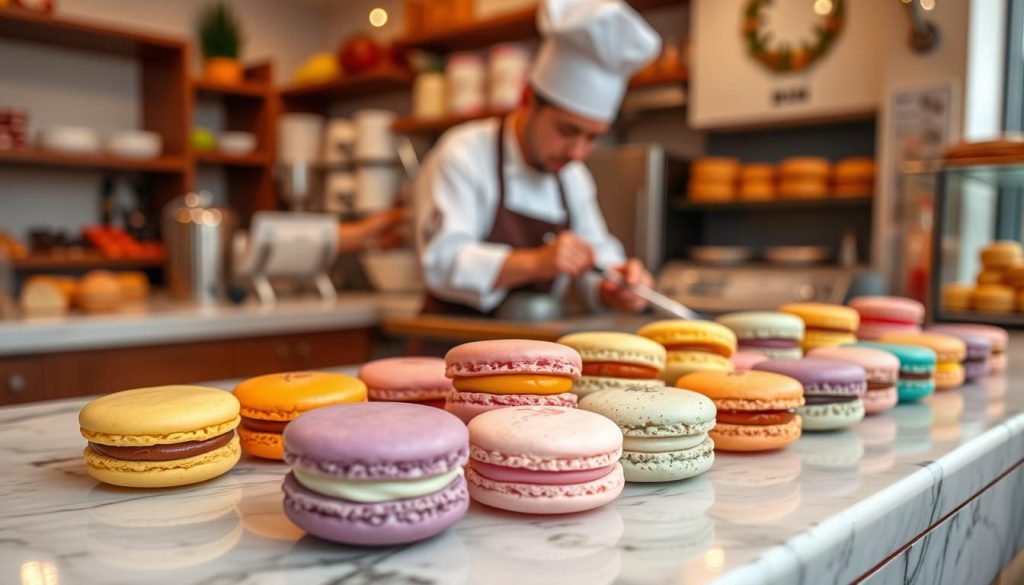
Making French macarons at home requires mastering the delicate art of proper folding and maturing to achieve their distinctive texture and flavor.
Spanish Paella and Patatas Bravas: Bringing Tapas Home
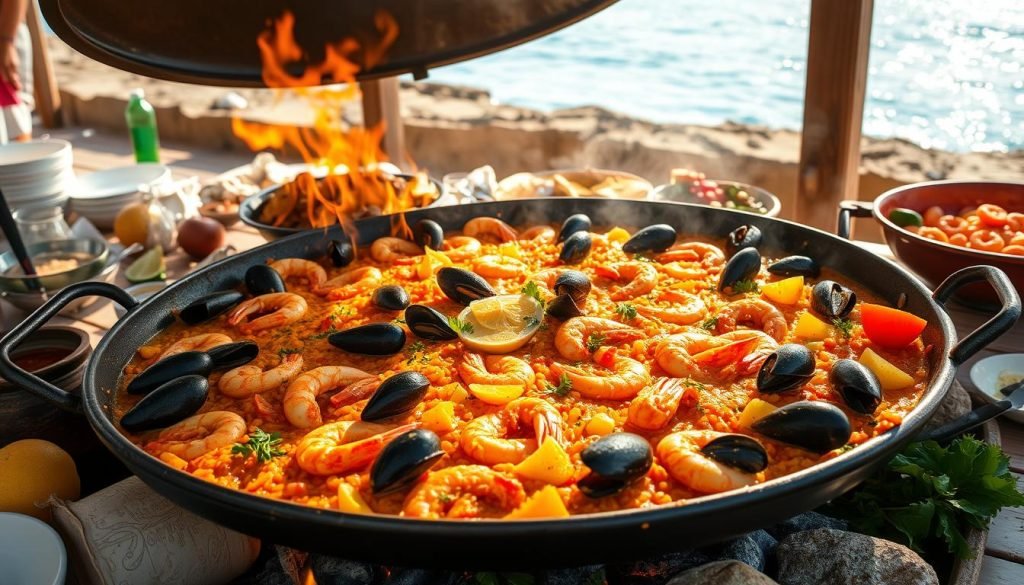
Spanish cuisine is known for its vibrant tapas culture, with dishes like paella and patatas bravas being crowd favorites. Paella, a traditional Spanish dish from the Valencia region, celebrates regional ingredients and requires achieving the coveted socarrat (crispy rice bottom) using a standard home pan.
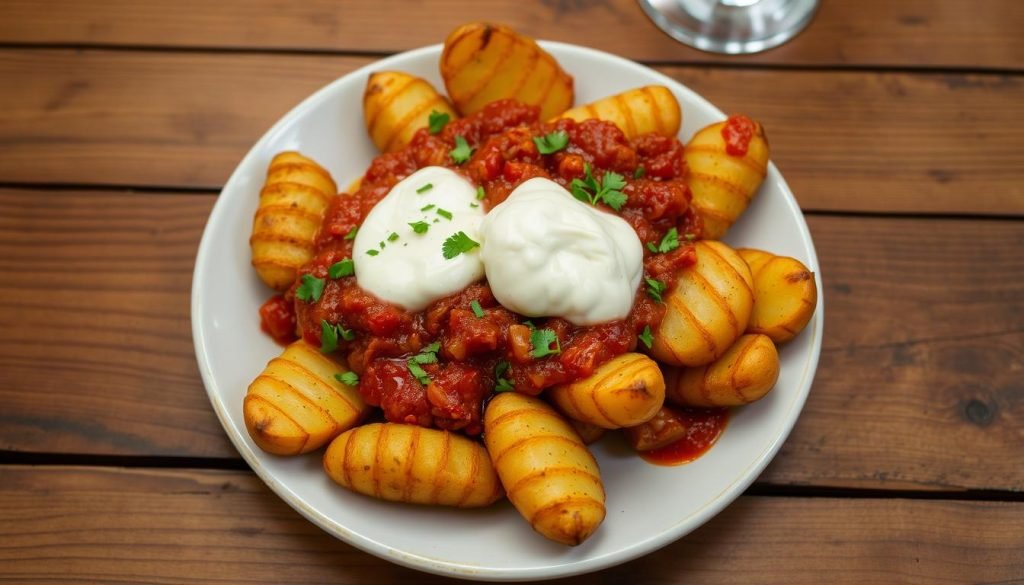
Patatas bravas, or “brave potatoes,” is another Spanish favorite, characterized by its crispy potatoes and smoky sauce. It’s a simple yet flavorful dish perfect for entertaining or casual family meals.
British Isles Favorites: Hearty and Traditional
The British Isles are renowned for their rich culinary heritage, offering a variety of hearty and traditional dishes that warm the heart and soul. From comforting main courses to delightful desserts, the cuisine of this region is characterized by its simplicity and use of local ingredients.
Irish Corned Beef and Soda Bread
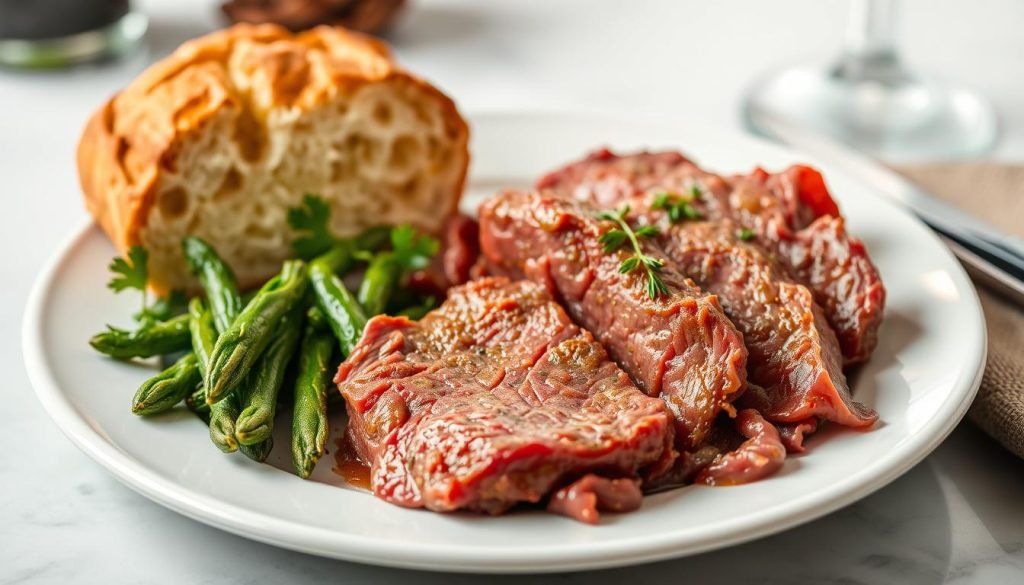
Irish corned beef is a dish that takes nearly a week to prepare, but the result is well worth the time, as the meat becomes tenderized and develops layers of flavor. Paired with Irish soda bread, which is made using baking soda instead of yeast, this meal is a staple of Irish cuisine.
Scottish Tea Bread and Rhubarb Crumble
Scottish tea bread, loaded with dried fruits and nuts, has become a family tradition during the holidays. It’s often served alongside desserts like rhubarb crumble, which balances tart fruit with a sweet, buttery topping.

British Fish and Chips: The Perfect Crispy Batter
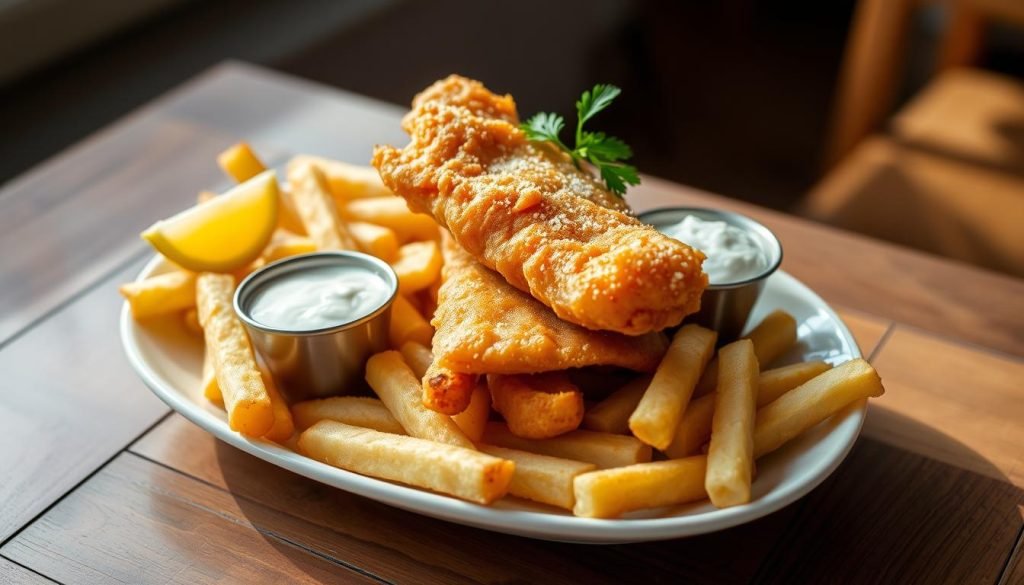
British fish and chips is a classic dish that relies on achieving the perfect crispy batter. Traditionally, specific types of fish are used, and the batter is double-fried to create an authentic texture that complements the delicate fish.
In conclusion, the British Isles offer a rich culinary experience with dishes like Irish corned beef, Scottish tea bread, and British fish and chips. Each of these recipes has its own unique history and preparation method, making them a delightful addition to any meal.
Mediterranean Delights: Flavors of Sun and Sea
The Mediterranean region is known for its rich culinary heritage, reflecting the diverse cultures and ingredients of its coastal countries. This diversity is reflected in the variety of dishes that originate from this region, each with its unique flavors and cooking techniques.
Greek Pastitsio and Kourabiedes Cookies
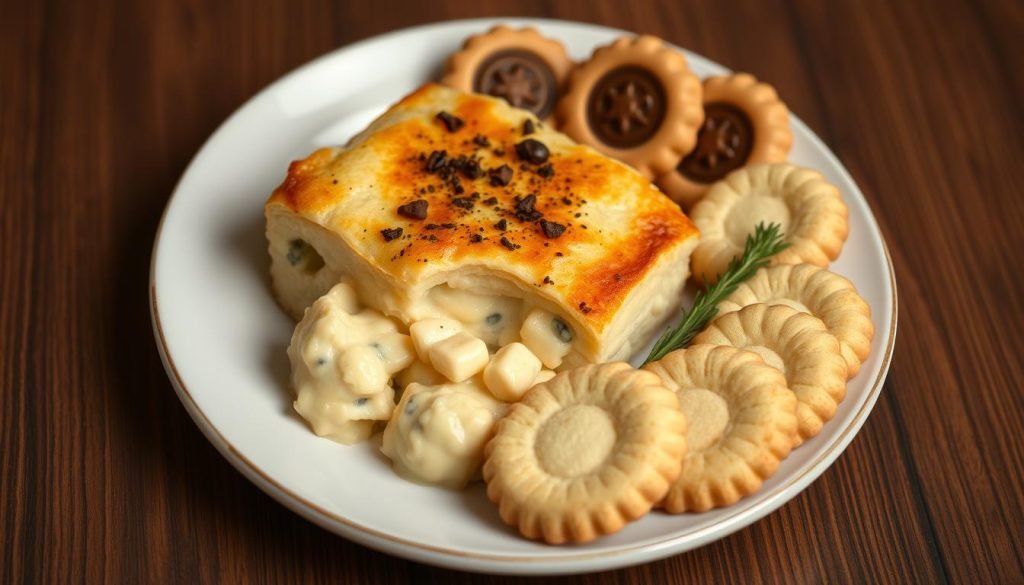
Greek pastitsio, often referred to as “Greek lasagna,” is a classic Greek dish made with layers of pasta, a rich meat sauce, and a creamy béchamel topping. It’s a hearty and satisfying meal that’s perfect for special occasions. Kourabiedes cookies, on the other hand, are traditional Greek shortbread-like cookies made with ground almonds and powdered sugar, offering a sweet contrast to the savory pastitsio.
Italian Braciole: Rolled Stuffed Steak
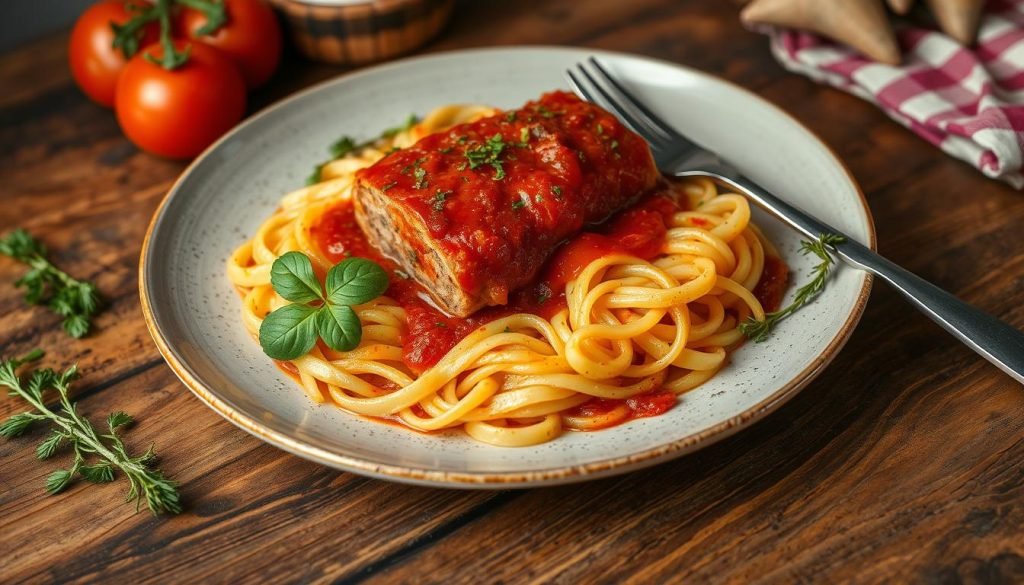
Italian braciole is a dish that consists of rolled steak stuffed with ingredients like garlic, parsley, and sometimes ham or prosciutto. It’s a unique and flavorful meat dish that’s perfect for a special dinner. The steak is typically braised in a rich tomato sauce, making it tender and full of flavor.
Spanish Patatas Bravas: The Ultimate Comfort Food
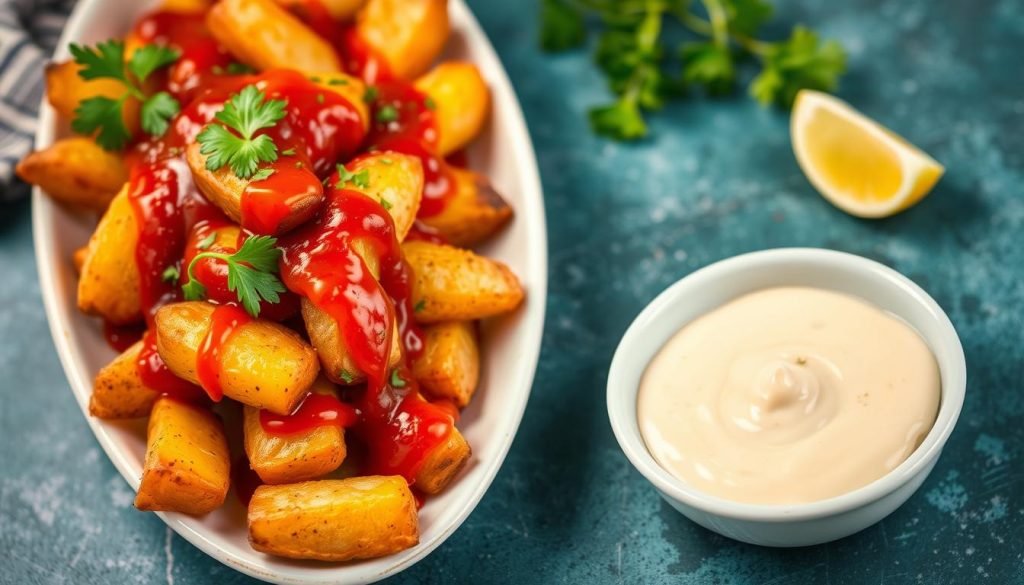
Spanish patatas bravas, or “brave potatoes,” are a staple of Spanish tapas culture. The dish consists of crispy potatoes served in a spicy tomato sauce, making it a comforting and flavorful snack or side dish. The combination of crunchy potatoes and smoky sauce is irresistible, and it’s a great way to experience the flavors of Spain.
Mediterranean cuisine is characterized by its emphasis on fresh ingredients, herbs, and aromatic spices, creating dishes that are both healthy and intensely flavorful. The regional variations of Mediterranean dishes reflect the local ingredients and cultural influences of their areas of origin, making each dish a reflection of its specific cultural heritage.
Eastern European Treasures: Rich and Satisfying
With its hearty dishes, Eastern European cuisine is a treasure trove of flavors. The region’s culinary traditions are deeply rooted in its history and culture, offering a wide range of delicious meals.
Polish Pierogi: Perfecting the Dough and Fillings
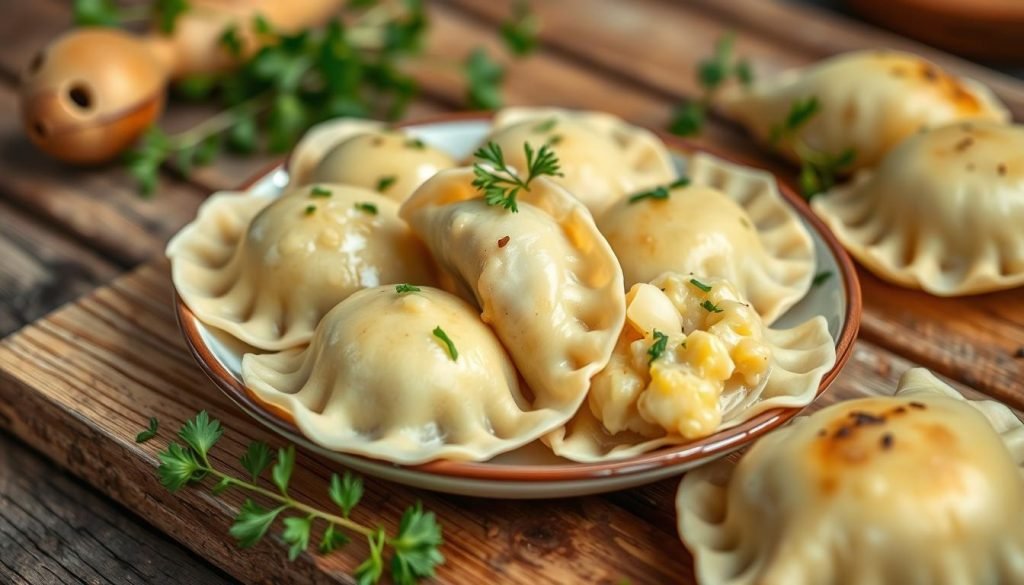
Polish pierogi are a staple dish, made with a tender dough that can hold various fillings without breaking during cooking. Traditional fillings include potato and cheese, sauerkraut, mushroom, and sweet fruit variations for different occasions.
To make authentic Polish pierogi, it’s essential to master the technique of sealing the dough to prevent it from opening during boiling. Finishing methods include frying with onions for added flavor.
Austrian Strudel and Khruchiki Cookies
Austrian strudel is renowned for its delicate, paper-thin dough, which is perfected by stretching it until it’s almost transparent. Various fillings, from classic apple to savory meat, require a balance of moisture and flavor.
Khruchiki cookies, a traditional Austrian treat, are made using a distinctive folding and shaping technique that gives them their characteristic appearance. These cookies are a delight to make and eat.

Both Polish pierogi and Austrian strudel and khruchiki cookies are examples of the rich culinary heritage of Eastern Europe, offering flavors and techniques that can be enjoyed in the comfort of your own home.
Scandinavian Specialties: Simple and Elegant
Scandinavian cuisine is known for its simplicity and elegance, reflecting the region’s emphasis on clean flavors and quality ingredients.
Swedish Meatballs with Creamy Sauce
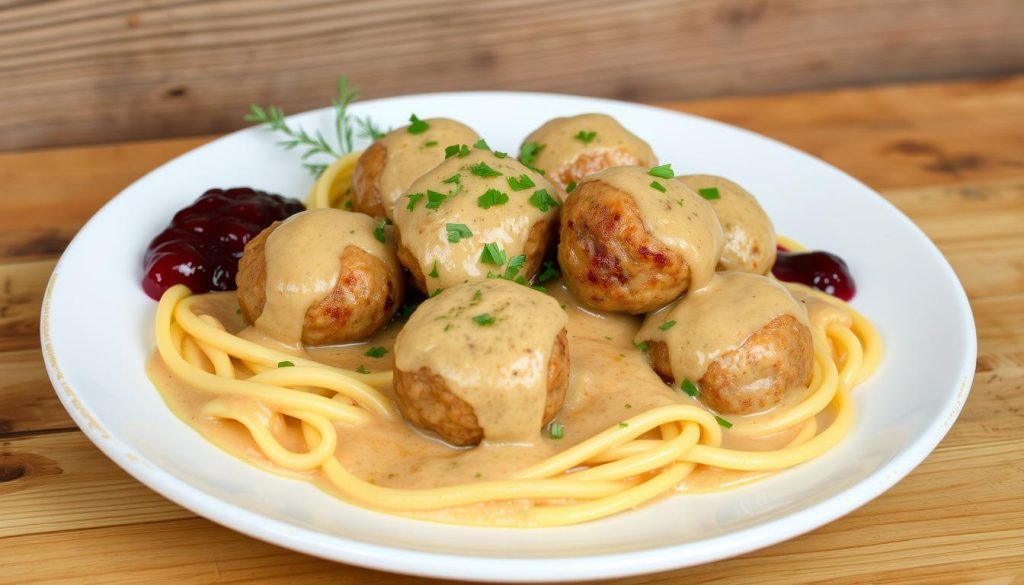
Swedish meatballs are a classic dish made with a mix of ground meats and spices, served with a rich and creamy sauce. The key to their flavor lies in the combination of beef and pork, along with a hint of allspice and nutmeg.
Norwegian Shrimp Sandwiches with Dill
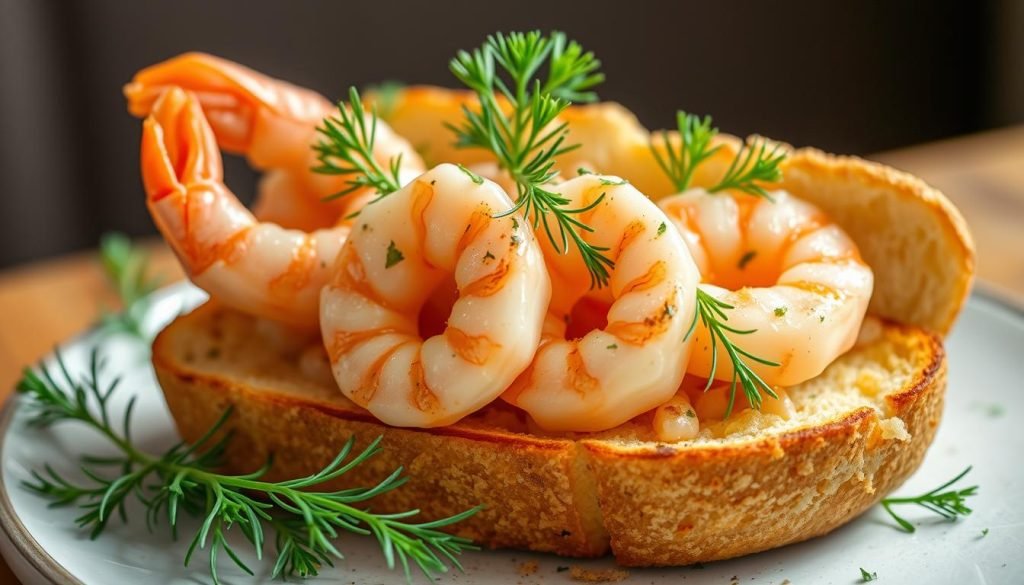
Norwegian shrimp sandwiches are a delightful and simple dish, featuring fresh shrimp, dill, and high-quality bread. The freshness of the seafood is paramount, and the dill adds a bright, fresh flavor.
Finnish Salmon and Dill Pie
The Finnish salmon and dill pie is a traditional dish that showcases the region’s love for fish and local herbs. The pie is made with fresh salmon, dill, and a distinctive rye crust, reflecting Finland’s baking traditions.
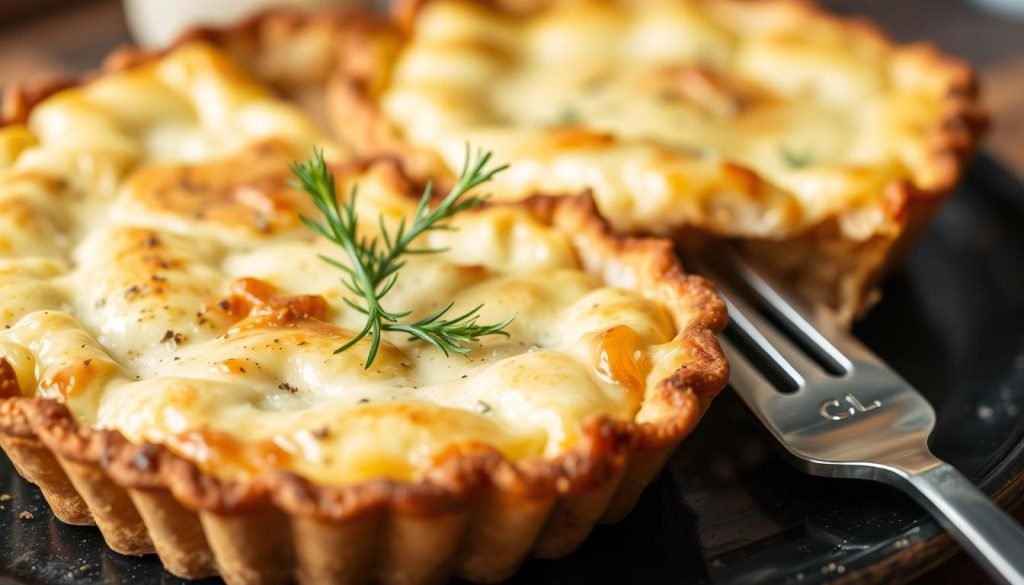
Scandinavian cuisine emphasizes the use of fresh, local ingredients and simple preparation methods, allowing the natural flavors of the ingredients to shine through. Dishes like Swedish meatballs, Norwegian shrimp sandwiches, and Finnish salmon pie highlight the region’s culinary elegance.
Benelux Beauties: Sweet and Savory Treats
Exploring the culinary delights of the Benelux countries reveals a world of flavors, from crispy Belgian waffles to delicate Dutch pastries. The region’s strategic location has influenced its cuisine, blending French sophistication with German heartiness.
Belgian Waffles and Mussels
Belgian waffles are a culinary staple, known for their deep pockets and crisp exterior, making them perfect for holding various sweet toppings. To make authentic Belgian waffles, it’s essential to use a recipe that includes yeast, allowing the dough to rise and giving the waffles their characteristic texture.
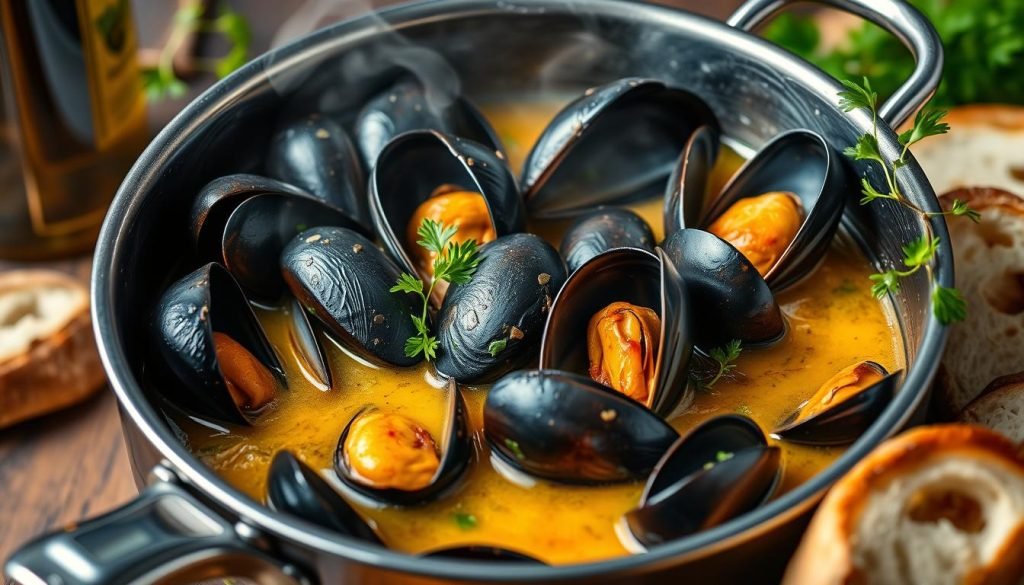
Belgian mussels, or moules marinière, are another national dish, showcasing Belgium’s seafood tradition. The mussels are cooked in a deliciously seasoned white wine broth, flavored with herbs and sometimes cream, making for a simple yet flavorful dish.
Dutch Pannekoeken and Letters
Dutch pannekoeken are versatile and can be served with both sweet and savory toppings. Thinner than American pancakes but thicker than French crêpes, they are a treat for any meal. Mastering the technique for creating Dutch letters, or banketstaaf, involves working with almond paste and puff pastry to achieve the perfect flaky texture.

The Benelux region’s cuisine is a reflection of its history and cultural diversity, offering a unique blend of flavors and techniques. By exploring these culinary delights, one can experience the richness of European culture on a plate.
Portuguese and Spanish Cuisine: Bold Flavors of the Iberian Peninsula
From the spicy kick of Portuguese cacoila to the savory goodness of Spanish paella, the Iberian Peninsula is a culinary treasure trove waiting to be discovered. The rich culinary heritage of Portugal and Spain is characterized by bold flavors, traditional ingredients, and time-honored cooking techniques.
Cooking Techniques and Traditions
Discover the slow-cooking techniques that make Portuguese cacoila tender and infused with complex flavors from wine, garlic, and spices. Portuguese cuisine balances bold spices with simple cooking methods, reflecting the country’s history as a spice trading nation.
Explore the tradition of Portuguese rabanadas, a special type of French toast often served during Christmas, with its distinctive custard center and cinnamon-sugar coating.
Mastering Spanish Paella
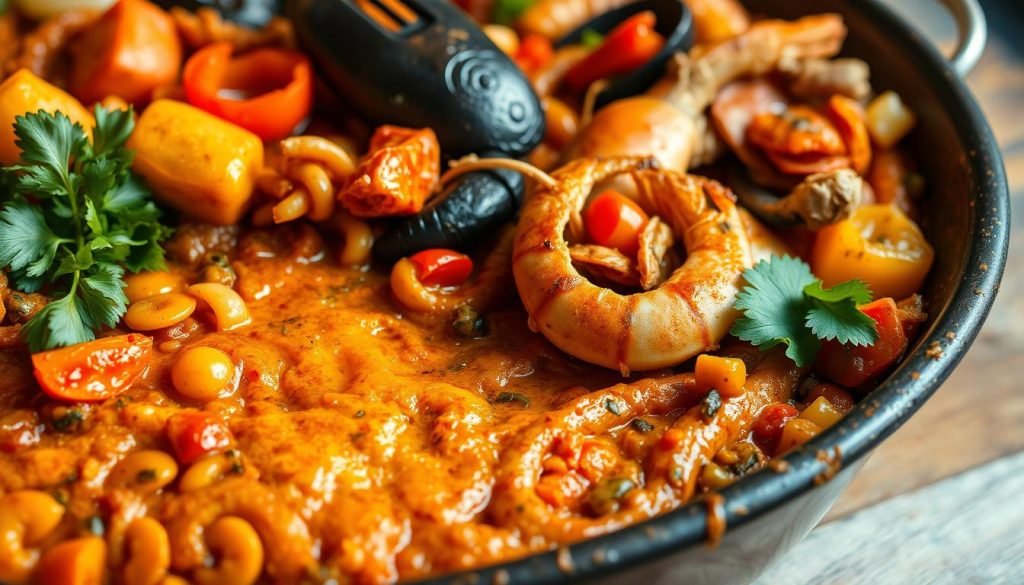
Master the techniques for creating authentic Spanish paella, including the proper rice selection and the method for achieving socarrat, the prized crispy layer at the bottom. Understand how paella evolved from a humble farmer’s meal to Spain’s national dish, and learn about regional variations that showcase local ingredients.
Asian Favorites: International Dishes with Complex Flavors
The diversity of Asian cuisine is reflected in its numerous dishes that are both flavorful and aromatic. Asian favorites have become integral to international cuisine, offering a wide range of flavors and cooking techniques.
Japanese Teriyaki Chicken and Curry
Japanese teriyaki chicken is a beloved dish worldwide, known for its sweet and savory flavor profile. To make authentic teriyaki chicken, one must start with a good teriyaki sauce, which is a balance of soy sauce, sugar, and vinegar. Japanese curry, on the other hand, is a comfort food that differs significantly from its Indian counterpart, with a milder and sweeter taste.

Korean Beef and Broccoli
Korean beef and broccoli is a dish that is full of flavor and can be prepared quickly in one pan. The key to this dish lies in the marinade for the beef, which typically includes a mix of soy sauce, garlic, and sesame oil, giving it a distinctive flavor profile. This dish is a staple in Korean cuisine and is often served with steamed rice.
Filipino Lumpia and Leche Flan
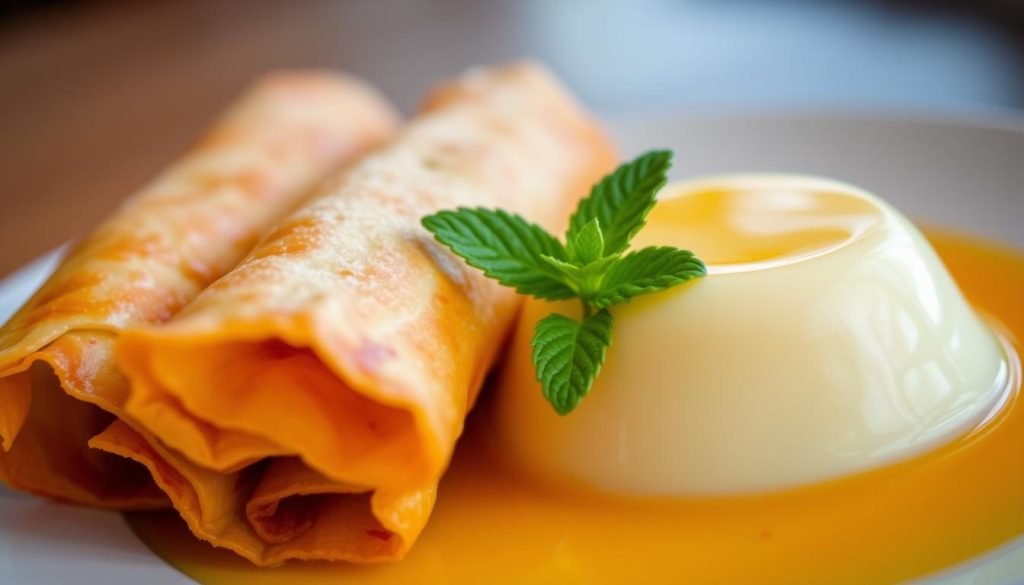
Filipino lumpia, or spring rolls, are crispy rolls that can be cooked quickly in an air fryer, making them a convenient snack or appetizer. The filling typically consists of vegetables and sometimes meat, wrapped in a thin dough wrapper. Leche flan, a creamy dessert, is made with simple ingredients but requires careful caramelization of sugar and gentle cooking to achieve its silky-smooth texture.
Asian cuisines are renowned for their complex flavors and specific cooking techniques that balance sweet, salty, sour, and umami elements. By understanding and adapting these techniques, home cooks can recreate authentic Asian meals without needing specialized equipment.
Mexican Fiesta: Vibrant and Spicy
The rich culinary heritage of Mexico brings to the table a fiesta of flavors that are both spicy and savory. Mexican cuisine is a reflection of the country’s diverse cultural influences and its love for bold ingredients.
Authentic Tacos and Burritos
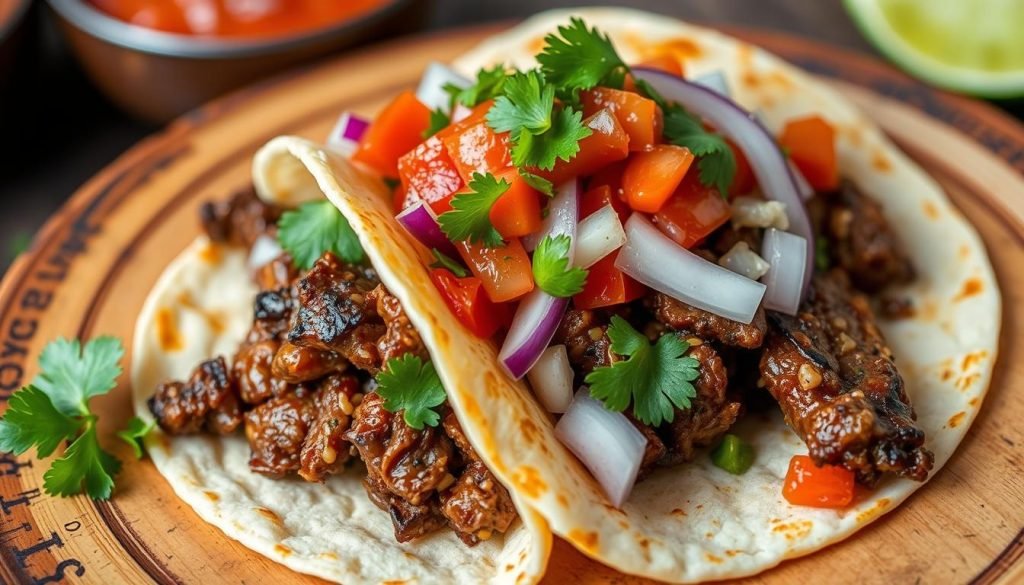
Discover the authentic preparation methods for Mexican street tacos, including the proper selection of cuts for specific taco styles and traditional toppings beyond the Americanized versions. Mastering the techniques for creating authentic burritos involves proper filling distribution and tight rolling methods that prevent breakage.
For an authentic Mexican taco recipe, focus on using the right type of meat and fresh toppings. Carne Asada, with its deep flavor achieved through marination, is a popular choice.
Mexican Rice and Street Corn
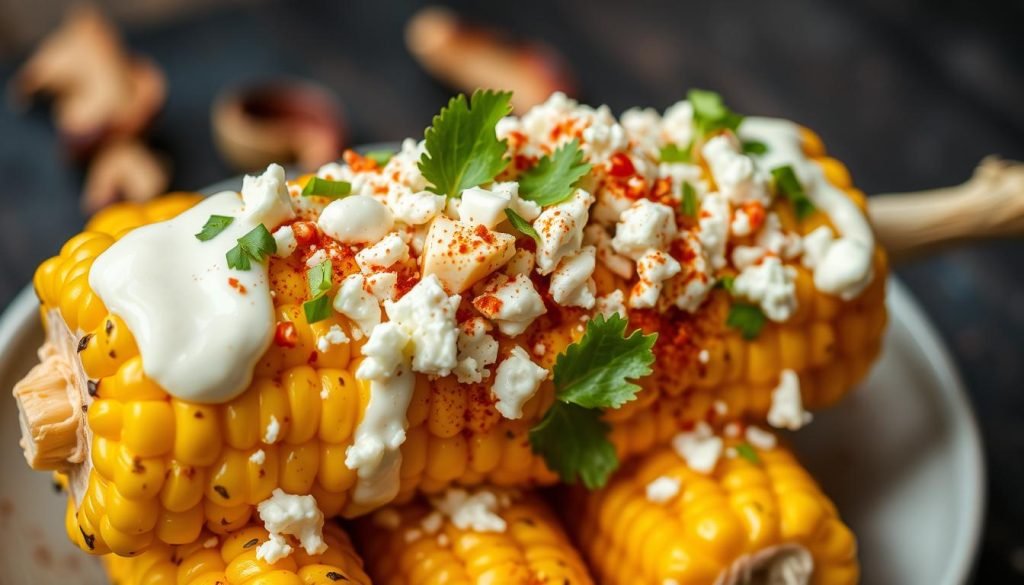
Learn how to make proper Mexican rice with its distinctive orange-red color and fluffy texture by understanding the importance of toasting the rice before adding liquid. Explore the preparation of elote (Mexican street corn), including the perfect balance of creamy, tangy, spicy, and savory elements.
For Mexican street corn elote recipe, grill the corn and then slather it with a mixture of mayonnaise, cotija cheese, chili powder, and lime juice.
Understanding regional variations in Mexican cuisine, from seafood-focused dishes of coastal areas to meat-centric preparations of northern states, can enhance your cooking. Creating balanced spice profiles using traditional Mexican ingredients like dried chilies, cumin, oregano, and fresh herbs is key to authentic flavors.
Middle Eastern Marvels: Aromatic and Exotic
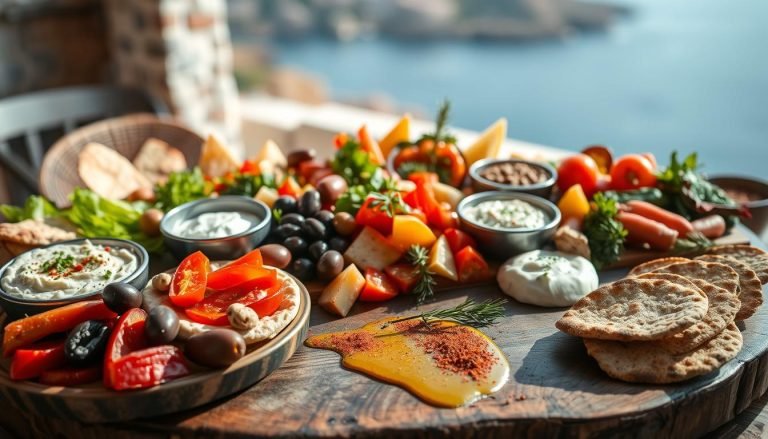
Middle Eastern cuisine is a vibrant tapestry of flavors, with dishes that are both aromatic and exotic. The region’s culinary heritage is rich and diverse, influenced by various cultures and traditions.
Hummus and Falafel: Plant-Based Perfection
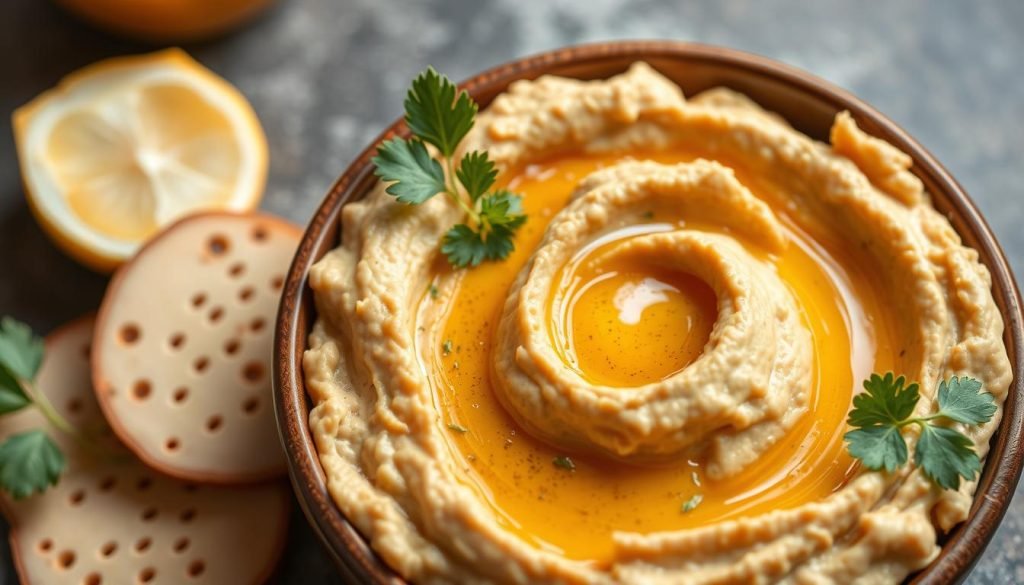
Discover the secrets to making silky-smooth hummus with the perfect balance of tahini, lemon, and garlic. This Middle Eastern staple is elevated beyond store-bought versions with fresh ingredients and traditional techniques.
Learn the authentic preparation methods for falafel, including the importance of using dried chickpeas and the proper herbs and spices for traditional flavor.
Shawarma and Kebabs: Mastering the Marinade
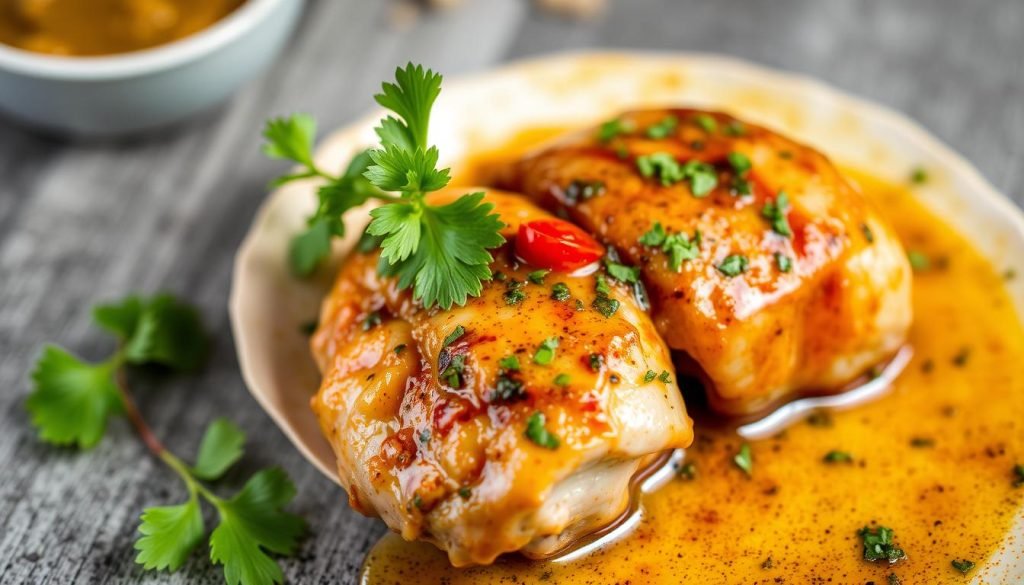
Master the techniques for creating perfectly marinated shawarma, understanding how the combination of yogurt, lemon, and spices tenderizes and flavors the meat.
Understand the regional variations in kebab preparation across the Middle East, from Turkish shish kebab to Lebanese kafta and Iranian koobideh.
The complex spice blends that give Middle Eastern cuisine its distinctive character include proper proportions for homemade za’atar, baharat, and ras el hanout. By balancing rich spices with fresh herbs and acidic elements like sumac and lemon, Middle Eastern cooking creates complex, layered flavor profiles.
Italian Classics: Pizza and Pasta Perfected
Italian classics like pizza and pasta have gained worldwide popularity, and mastering them at home is a rewarding experience. To create authentic Italian dishes, it’s essential to understand the techniques and ingredients that make them special.
Homemade Pizza Dough and Sauce
Creating the perfect pizza dough involves understanding the science behind proper hydration levels, kneading techniques, and fermentation times that develop flavor and texture. For an authentic Italian pizza, the sauce is just as important, balancing the acidity of tomatoes with the right amount of sweetness, herbs, and olive oil.
Pasta from Scratch: Basic Techniques
Making fresh pasta dough by hand requires mastering the proper ratio of flour to eggs and understanding the importance of resting the dough. Different pasta shapes are designed to pair with specific sauce types, so it’s crucial to learn how to match your homemade pasta with complementary cheese and sauce combinations.
By focusing on quality ingredients and simple preparation methods, you can create authentic Italian recipes at home without specialized equipment.
Essential Techniques for International Dishes
Cooking techniques vary greatly across cultures, and mastering them is essential. Understanding these techniques can elevate your cooking and allow you to prepare authentic international dishes.
Mastering Rice Cooking Methods Around the World
Rice is a staple in many cuisines, and its preparation varies significantly. From the absorption method used in Western cooking to the precise water ratios of Asian techniques, mastering rice cooking is crucial. Different dishes require specific textures, such as separate grains for biryani or sticky texture for sushi.
The Art of Sauce Making Across Cultures
Sauces are fundamental in many international cuisines. The five mother sauces of French cuisine form the foundation for countless variations. Mastering emulsified sauces like mayonnaise and hollandaise requires understanding the science behind them.
Working with Different Types of Dough
Dough is used in various forms across cultures, including yeasted, quick, laminated, and pasta doughs. Each type requires specific handling techniques. Understanding these differences is key to creating authentic dishes.
By mastering these essential techniques, you can improve your cooking and explore a wide range of international dishes. Understanding the techniques behind different cuisines can enhance your culinary skills and allow you to create authentic global meals.
Adapting International Recipes for Dietary Restrictions
With the growing demand for special diets, learning to adapt international recipes for dietary restrictions is becoming an essential skill for home cooks. This involves understanding how to modify ingredients and cooking techniques to accommodate different dietary needs without compromising the authenticity of the dish.
One key aspect is gluten-free global cooking. Many international cuisines, such as Mexican and Indian, already offer a variety of naturally gluten-free dishes. For recipes that typically include gluten, substitutes like rice flour or almond flour can be used. For instance, when making Italian pasta, you can use gluten-free flours to create a dish that everyone can enjoy.
Gluten-Free Global Cooking
Discover how to substitute gluten-free alternatives in international recipes without compromising authentic flavors and textures. Cuisines like Mexican and Indian offer naturally gluten-free dishes that can expand your repertoire.
- Use rice flour or almond flour as substitutes in recipes that typically include gluten.
- Explore gluten-free international dishes, such as Mexican corn tortillas or Indian dosas.
Vegetarian and Vegan Adaptations of Classic Dishes
Traditional vegetarian cooking from cultures with long histories of plant-based cuisine, such as Indian and Middle Eastern traditions, can inspire new recipes. Techniques for adapting meat-centric dishes to vegetarian or vegan versions involve proper substitutions that maintain the umami and textural elements of the original.
- Adapt meat-centric dishes by substituting with plant-based protein sources like tofu or tempeh.
- Maintain umami flavor in vegan dishes by using ingredients like mushrooms or seaweed.
Stocking Your Pantry for International Cooking
Exploring international cuisine begins with stocking your pantry with essential spices, sauces, and condiments. A well-stocked pantry is the key to cooking a variety of global dishes at home.
Essential Spices from Around the World
Discover the core spices that form the foundation of various international cuisines. From the warming spices of Indian cooking to the aromatic herbs of Mediterranean dishes, having the right ingredients is crucial. To maintain maximum flavor and longevity, it’s essential to properly store and maintain your spice collection.
- Whole spices like cinnamon sticks and cardamom pods retain their flavor longer than ground spices.
- Ground spices like cumin and coriander are more convenient but lose their flavor faster.
Must-Have Sauces and Condiments
Explore the essential sauce bases and condiments that can transform simple ingredients into authentic international dishes. From Asian fish sauce and soy sauce to Mediterranean harissa and tahini, these condiments add depth and complexity to global cuisine.
- Mastering homemade versions of key international condiments can be more flavorful and healthier than store-bought options.
- Building a versatile international pantry requires focusing on ingredients that can be used across multiple cuisines.
Conclusion: Bringing the World to Your Table
The art of preparing international dishes at home not only broadens our culinary skills but also deepens our understanding and appreciation of diverse cultures. By cooking global cuisine, we transform mealtime into a cultural adventure. Creating themed international dinner nights can educate and entertain family members, introducing them to new flavors and ingredients. As we gain confidence in our culinary abilities, we’re inspired to further experiment and innovate in our home kitchens. Sharing these meals with friends and neighbors fosters community connections and cultural appreciation, making cooking a rewarding journey of exploration and connection.