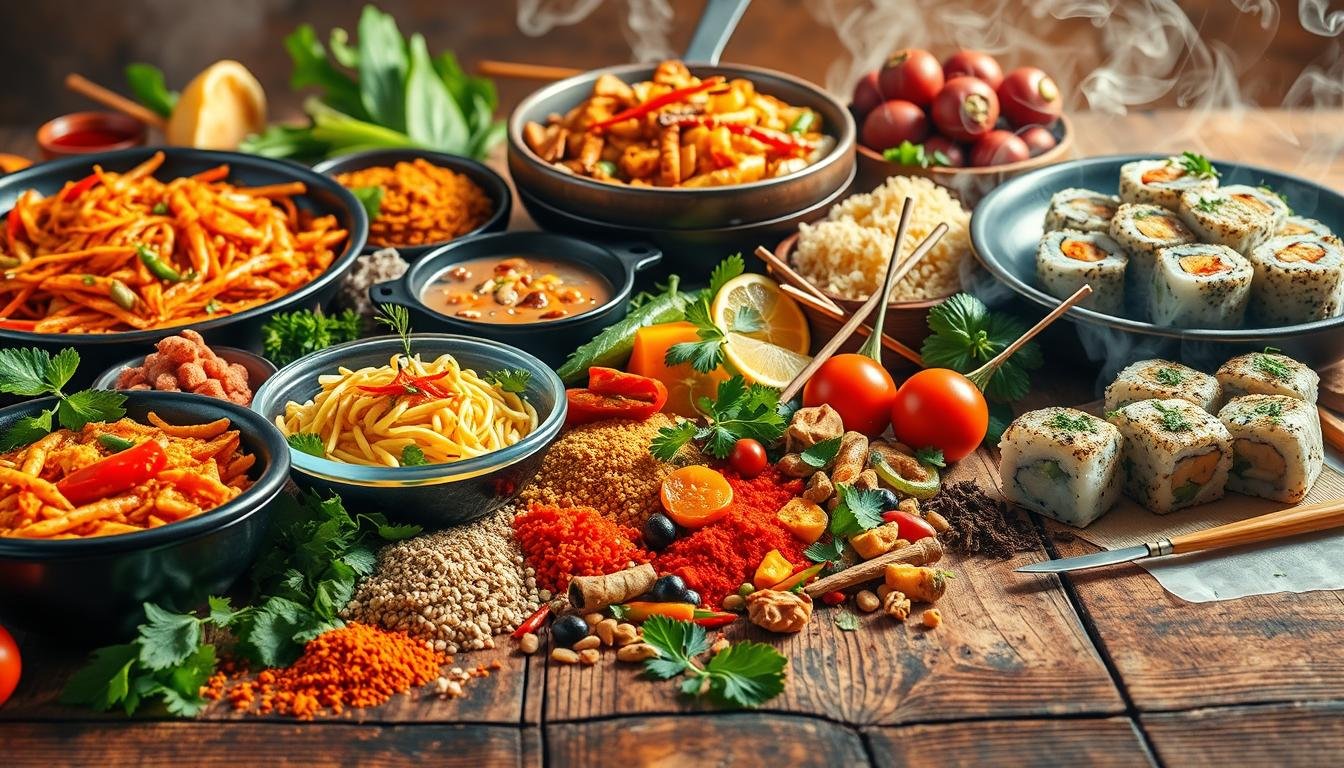
Discover 5 World Flavor Recipes You Can Easily Make at Home
Exploring international cuisine can be a delightful culinary journey. With five delicious recipes from around the world, you can bring global tastes to your dining table without extensive cooking experience.
These recipes, originating from Italy, Japan, Argentina, China, and Spain, are not only flavorful but also surprisingly easy to prepare. Each dish has been selected for its accessibility of ingredients and straightforward cooking methods, making it perfect for home cooks looking to experiment with global cuisine.
By trying out these recipes, you’ll not only expand your culinary repertoire but also discover the cultural significance behind each dish, enhancing your cooking skills and impressing family and friends with international tastes.
The Joy of Exploring World Flavor Recipes
Embarking on a culinary journey around the world can be a truly enriching experience. As interest in global cuisine continues to grow, people are seeking out new flavors and culinary adventures. A walk through any urban area can reveal a diverse array of international eateries, from Japanese and Indian to East African and Thai restaurants, all within a short distance.
How Global Cuisine Enriches Our Culinary Experience
Global cuisine enriches our culinary experience by introducing us to a wide variety of flavors and cooking techniques. By trying different foods from around the world, we not only expand our palate but also gain a deeper appreciation for the cultural heritage behind each dish. This exposure can inspire us to be more adventurous in our cooking and more mindful of the food we prepare at home.
Cooking international recipes allows us to control the ingredients and adjust the spice levels to suit our taste preferences. This personalization is a significant advantage of preparing global cuisine at home.
Benefits of Cooking International Dishes at Home
Cooking international dishes at home offers numerous benefits. It allows you to control the ingredients, making it easier to adjust the spice levels and components to suit your family’s taste. Home cooking of world recipes is also typically more economical than dining out at specialty restaurants, saving you time and money.
Some of the key advantages of cooking global cuisine at home include:
- Preparing meals that are healthier and more authentic
- Gaining a sense of accomplishment and expanding your cooking skills
- Introducing new techniques that can be applied to your everyday meal preparation
- Creating opportunities for family bonding and learning
| Benefits | Description |
|---|---|
| Healthier Meals | Cooking global cuisine at home allows you to control ingredients, making healthier choices. |
| Skill Expansion | Mastering international recipes expands your cooking skills and introduces new techniques. |
| Family Bonding | Cooking international dishes can become a family activity, promoting learning and bonding. |
| Economic | Home cooking is more economical than dining out, saving you money and time. |
By exploring world flavor recipes, you can experience the authentic taste of different cultures in the comfort of your own home. This not only enhances your culinary experience but also allows you to create a more diverse and interesting version of your favorite dishes.
What Makes These 5 World Flavor Recipes Special
What sets these international recipes apart is their accessibility and simplicity. The selected dishes are not only delicious but also easy to prepare, making them perfect for home cooks of all skill levels.
Accessibility of Ingredients
One of the key features of these world flavor recipes is the ease of accessing the necessary ingredients. Most of the ingredients are commonly found in local supermarkets, eliminating the need for specialized or exotic items. This accessibility makes it easier for anyone to start cooking international dishes without having to search far and wide for specific ingredients.
| Ingredient | Availability |
|---|---|
| Spices | Easily found in most supermarkets |
| Herbs | Commonly available in grocery stores |
| Specialty items | Can be found in international or online stores |
Simplicity of Preparation Methods
The preparation methods for these recipes have been simplified without compromising on the authenticity of the dishes. Clear, step-by-step instructions make it easy for cooks to follow along, and many dishes can be prepared in under an hour. The techniques used are fundamental and can be applied to a variety of other recipes, making these dishes a great starting point for those new to international cooking.
By refining the cooking processes and minimizing unnecessary steps, these recipes make international cooking less intimidating. The inclusion of make-ahead components in some recipes further streamlines the preparation time, making them suitable for weeknight cooking.
Italian Eggplant Parmesan: A Mediterranean Classic
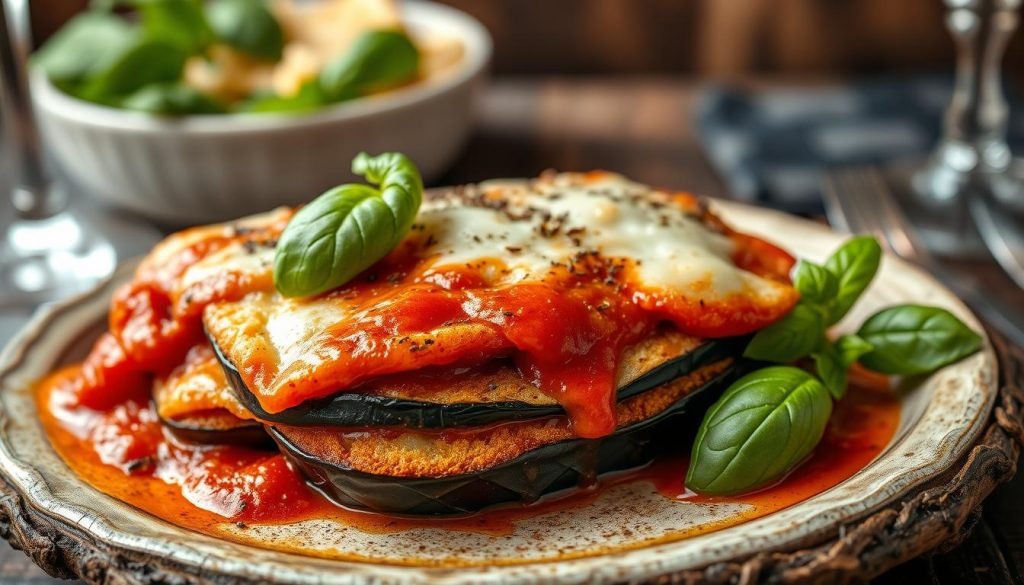
Eggplant Parmesan, a staple of Italian cuisine, is a versatile meal that can be served on various occasions, from casual weeknights to special events. This skillet version simplifies the traditional recipe by composing the dish in a single pan, making it more accessible for a weeknight meal.
History and Cultural Significance
Eggplant Parmesan, or “Parmigiana di melanzane,” has its roots in Italian cuisine, particularly in the southern regions. It’s a dish that showcases the Mediterranean diet’s emphasis on vegetables, herbs, and cheese. The addition of cannellini beans in this recipe adds protein and heft, making it a satisfying meal.
Ingredients You’ll Need
To make this Italian Eggplant Parmesan, you’ll need eggplant, cannellini beans, tomato sauce, mozzarella cheese, Parmesan cheese, olive oil, garlic, and fresh basil. The simplicity of the ingredients belies the rich flavors of the finished dish.
Step-by-Step Preparation Guide
Start by slicing the eggplant into rounds, then sauté them in olive oil until they’re tender and lightly browned. In a large skillet, layer the eggplant, tomato sauce, cannellini beans, and mozzarella cheese. Repeat this process, finishing with a layer of cheese on top. Bake in the oven until the cheese is melted and bubbly. This method simplifies the traditional breading and frying process, making it a healthier and more straightforward recipe.
Serving Suggestions and Pairings
Eggplant Parmesan can be served as a main dish with a simple green salad dressed with lemon and olive oil. It’s also great with a side of crusty Italian bread for sopping up the flavorful sauce. For wine pairings, a medium-bodied Italian red like Chianti or Montepulciano complements the tomato acidity nicely. The dish reheats beautifully, often tasting even better the next day as flavors continue to develop.
Some other serving ideas include pairing it with fresh tomato bruschetta in the summer or serving smaller portions alongside a bean or grain-based soup for a lighter meal. For a complete Italian-inspired menu, consider serving it after an antipasto platter and before a light dessert like panna cotta.
Japanese Chicken Yakitori: Street Food at Home
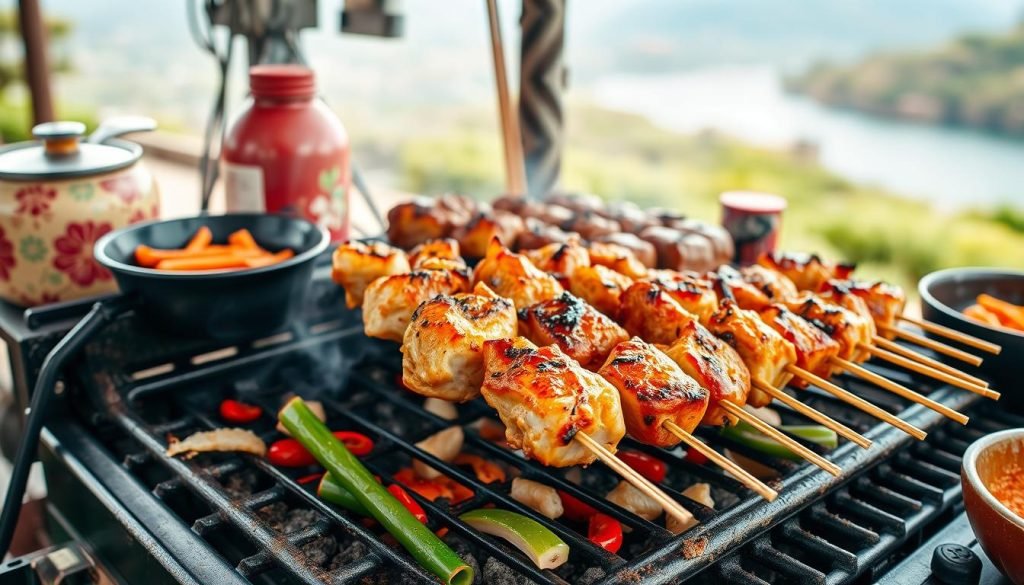
For a taste of Japan at home, consider making Chicken Yakitori, a dish served at many street food stalls. This traditional Japanese meal is all about simplicity and flavor, featuring grilled chicken skewers that are both easy to prepare and delicious to eat.
Origins of This Popular Japanese Dish
Yakitori originated in Japan as a street food, with vendors grilling skewers of chicken over open flames. The name “yakitori” literally means “grilled chicken,” and it’s a dish that’s deeply rooted in Japanese cuisine.
Essential Ingredients for Authentic Flavor
To make an authentic Yakitori recipe, you’ll need a few key ingredients, including chicken thighs or breast, yakitori sauce (a mixture of soy sauce, sake, mirin, and sugar), and various seasonings like ginger and garlic. The quality of these ingredients will directly impact the flavor of your meal.
Cooking Process and Techniques
Preparing Yakitori involves threading chicken pieces onto skewers and grilling them over medium heat. The recipe requires occasional basting with yakitori sauce to achieve that perfect glaze. It’s a straightforward process that requires some patience but yields impressive results.
Presentation and Accompaniments
When serving Yakitori, presentation is key. Here are some tips:
- Serve yakitori skewers on a long rectangular plate, arranged in a row for traditional Japanese presentation.
- Garnish with thinly sliced green onions and a sprinkle of toasted sesame seeds for color and texture.
- Accompanied by small dishes of extra yakitori sauce for dipping and shichimi togarashi for those who enjoy additional spice.
- Traditional side dishes include steamed rice, miso soup, and simple pickled vegetables (tsukemono).
- For a complete izakaya-style meal, serve alongside edamame, gyoza, and cold Japanese beer or sake.
By following these guidelines, you can create a delicious and authentic Yakitori experience at home, complete with a flavorful dish that’s sure to impress.
Argentinian Chimichurri: The Perfect Sauce for Any Protein
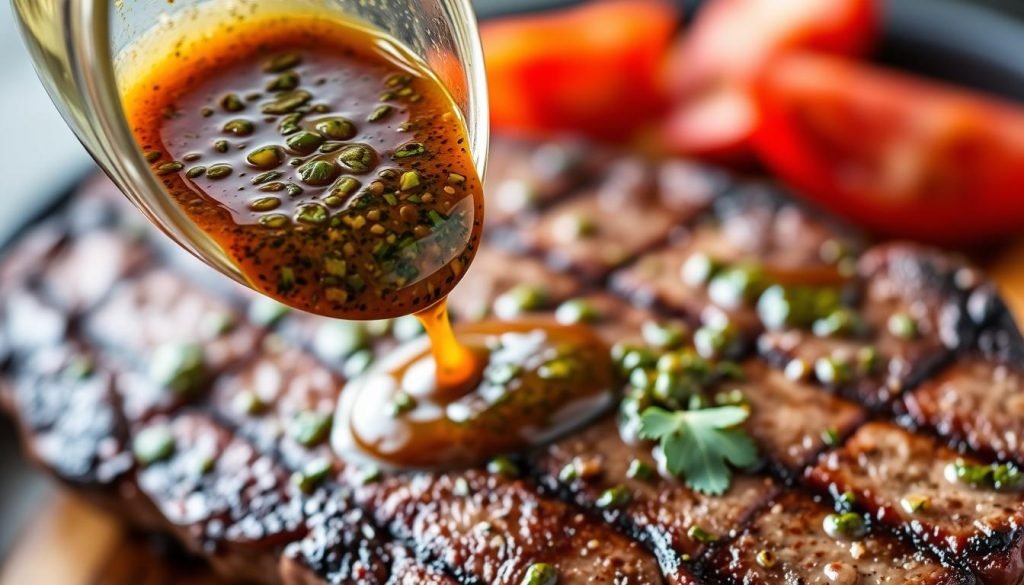
Discover the secret to authentic Argentinian cuisine with Chimichurri, a sauce that’s as flavorful as it is versatile. Chimichurri is the signature condiment of Argentina and Uruguay, known for its fresh, herbaceous flavor that complements a variety of dishes.
The Cultural Heritage of Chimichurri
Chimichurri has a rich cultural heritage in Argentina, where it’s traditionally served with grilled meats. This loose sauce, similar to pesto but never emulsified, is a staple in Argentinian cuisine.
Fresh Ingredients That Make It Special
The magic of Chimichurri lies in its fresh ingredients, including parsley, oregano, garlic, red pepper flakes, red wine vinegar, and olive oil. These components come together to create a sauce that’s both tangy and aromatic.
Preparation Method and Variations
Preparing Chimichurri is straightforward. Simply combine the ingredients in a bowl and adjust the quantities to taste. You can also customize the recipe by adding or substituting ingredients. For example, some variations include adding cilantro or using different types of vinegar.
To make Chimichurri, you’ll need:
- 1 cup fresh parsley, chopped
- 1/4 cup fresh oregano, chopped
- 4 cloves garlic, minced
- 1/2 teaspoon red pepper flakes
- 2 tablespoons red wine vinegar
- 1/2 cup olive oil
- Salt, to taste
Mix all the ingredients and refrigerate for at least 30 minutes to allow the flavors to meld.
Ways to Use Chimichurri in Your Cooking
Chimichurri is incredibly versatile and can be used in various ways:
- As a sauce for grilled beef, particularly skirt steak or flank steak prepared Argentine-style.
- With any grilled protein, including chicken, pork, lamb, and firm fish like swordfish.
- As a marinade before cooking, reserving some fresh sauce for serving alongside the finished dish.
- Drizzled over roasted vegetables to add brightness and herbaceous flavor.
- Tossed with warm potatoes for an Argentine twist on potato salad.
- Spread on crusty bread as an alternative to garlic bread or as a flavor base for bruschetta.
- Mixed into scrambled eggs or folded into an omelet for a breakfast with South American flair.
- Used as a sandwich spread or mixed with mayonnaise to create a flavorful aioli for burgers and sandwiches.
With its rich flavor and numerous uses, Chimichurri is sure to become a favorite in your kitchen. Experiment with different variations and applications to discover your new favorite recipe.
Chinese Scallion Pancakes: Crispy Asian Comfort Food
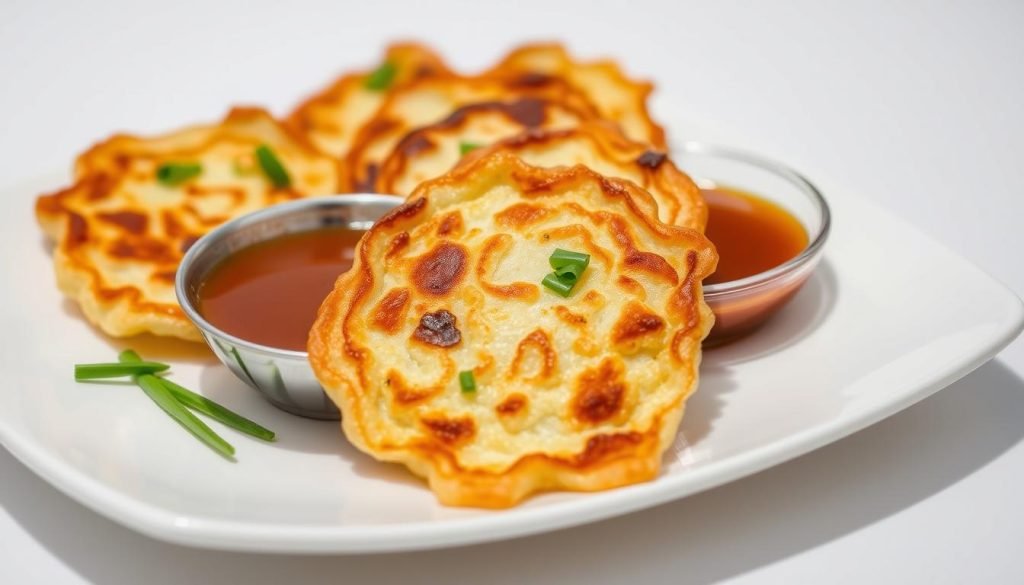
Crispy, savory, and utterly addictive, Chinese Scallion Pancakes have become a favorite among food enthusiasts globally. These pancakes are not just a staple in Chinese street food; they’re also a versatile dish that can be served as an appetizer, snack, or even as part of a main meal.
The Story Behind This Chinese Street Food
Chinese Scallion Pancakes have a rich history that dates back centuries. Originating from the northern regions of China, these pancakes were initially a simple street food made with basic ingredients like flour, water, and scallions. Over time, they gained popularity across different regions, with various adaptations and cooking techniques being introduced.
Simple Ingredients for Perfect Pancakes
The beauty of Chinese Scallion Pancakes lies in their simplicity. The basic recipe includes flour, water, scallions, and sometimes a bit of oil. The key to achieving the perfect taste is in the preparation and the quality of the ingredients. For an authentic flavor, it’s essential to use fresh scallions and the right type of flour.
Folding and Cooking Techniques
The process of making Chinese Scallion Pancakes involves a bit of technique, particularly in how the dough is folded and cooked. The dough is first rolled out into thin sheets, brushed with oil, and sprinkled with scallions before being folded into a specific shape. The pancakes are then cooked in a pan until they’re crispy and golden. Mastering the cooking technique is crucial for achieving the right texture and flavor.
Dipping Sauces and Serving Ideas
Chinese Scallion Pancakes are typically served with a dipping sauce that complements their savory flavor. A classic dipping sauce can be made by mixing soy sauce, rice vinegar, a touch of sugar, and thinly sliced scallions. For those who prefer a bit of spice, adding chili oil or Sichuan peppercorns can elevate the flavor. These pancakes can be enjoyed on their own or paired with other dishes, such as stir-fried vegetables or as part of a dim sum spread.
Whether you’re looking to try a new recipe or explore Chinese cuisine, Chinese Scallion Pancakes are an excellent choice. They’re a delicious and versatile dish that can be enjoyed in various settings, from casual snacks to more formal dinner parties.
Spanish Arroz con Pollo: One-Pot Wonder
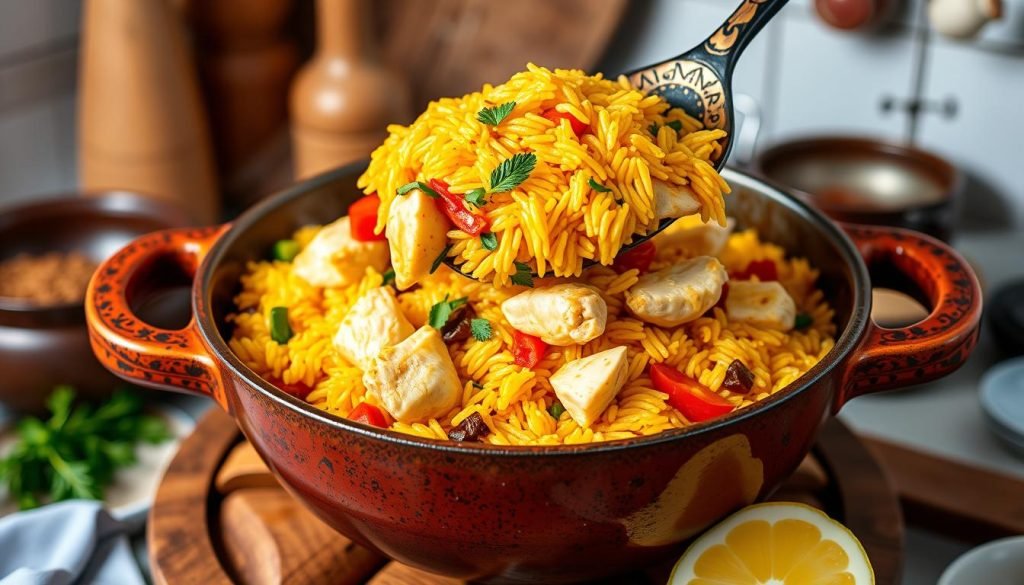
Arroz con Pollo, a traditional Spanish recipe, is a one-pot wonder that delights the senses. This beloved dish is a staple in many Hispanic households and is often served at family gatherings and celebrations.
Regional Variations and History
The history of Arroz con Pollo is rich and varied, with different regions adding their unique twist to the recipe. Originating from Spanish cuisine, this meal has been adapted in various Latin American countries, each adding their own local ingredients and flavors.
Key Ingredients for Authentic Flavor
To achieve the authentic flavor of Arroz con Pollo, certain key ingredients are essential. These include chicken pieces, saffron-infused rice, tomatoes, onions, garlic, and a blend of spices. The use of high-quality saffron gives the dish its characteristic yellow color and distinct flavor.
Cooking Process from Start to Finish
Cooking Arroz con Pollo is a straightforward process that involves sautéing the chicken and vegetables, then adding rice and broth to cook together in one pot. The result is a flavorful and filling meal that is perfect for family dinners.
The process begins with browning the chicken in olive oil, followed by cooking the onions, garlic, and tomatoes until they are soft. Then, the rice is added, along with chicken broth and spices, and simmered until the rice is tender and the liquid is absorbed.
Family-Style Serving Suggestions
Traditionally, Arroz con Pollo is served directly from the cooking pot at the table, emphasizing its rustic, family-style nature. To enhance the presentation, garnish with fresh herbs like cilantro or parsley, and serve with lemon wedges on the side.
For a complete meal, accompany the Arroz con Pollo with a simple green salad dressed with olive oil and vinegar, and offer crusty bread for sopping up the flavorful sauce. For an authentic Spanish touch, consider serving a light gazpacho as a starter and flan for dessert.
Essential Cooking Techniques for World Flavor Recipes
Global cuisine is not just about the ingredients; it’s about mastering the cooking techniques that bring dishes to life. Whether you’re preparing a hearty Italian meal or an intricate Chinese dish, understanding the fundamental cooking methods is crucial.
Mastering Basic International Cooking Methods
Cooking international recipes requires familiarity with various techniques. For instance, the art of stir-frying is essential for many Asian dishes, while braising is a staple for certain European recipes. Mastering these techniques not only enhances the flavor but also improves the texture of the dish. Techniques such as grilling, roasting, and sautéing are also universally applicable and can significantly impact the final product.
To illustrate the diversity of cooking methods, consider the following table that highlights some common techniques used in international cuisine:
| Cuisine | Common Technique | Example Dish |
|---|---|---|
| Chinese | Stir-frying | Beef and Broccoli |
| Italian | Braising | Osso Buco |
| Indian | Curry-making | Chicken Tikka Masala |
Equipment That Makes Global Cooking Easier
Having the right equipment can significantly simplify the cooking process. For global cuisine, certain tools are indispensable. For example, a carbon steel wok is ideal for Chinese stir-fries, while a heavy-bottomed Dutch oven is perfect for braising dishes like Spanish arroz con pollo or Italian stews.
- A good set of bamboo or metal skewers is essential for Japanese yakitori.
- A microplane or fine grater is handy for grating ingredients like ginger and garlic used in many global recipes.
- A mortar and pestle allows for the preparation of authentic, hand-ground sauces and spice blends.
- A heavy cast-iron skillet provides even heat for searing meats and can double as a griddle for flatbreads and pancakes.
Investing in the right equipment and mastering basic international cooking methods can elevate your cooking and make exploring global cuisine more enjoyable and rewarding. With practice and patience, home cooks can achieve professional-level results and explore a wide range of international recipes with confidence.
Pantry Staples for International Cooking
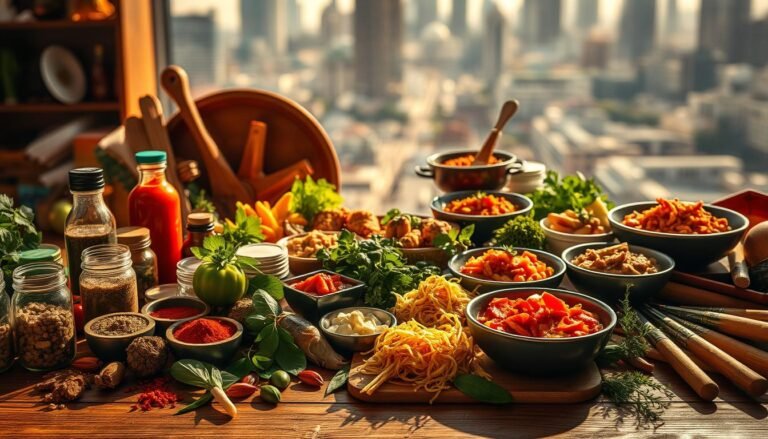
International cooking starts with a solid foundation of pantry staples. Having the right ingredients on hand can make all the difference in preparing authentic global dishes. A well-stocked pantry allows you to explore various cuisines without last-minute trips to the store.
Must-Have Spices and Seasonings
A variety of spices and seasonings are essential for adding depth and authenticity to international recipes. High-quality olive oil is a staple for Mediterranean cooking, particularly when used as a finishing touch for dishes and dressings. Various vinegars, such as red wine vinegar for chimichurri, rice vinegar for Asian dipping sauces, and balsamic vinegar for Italian dishes, add necessary acidity to recipes.
- Dried mushrooms like shiitake or porcini can add instant depth to broths and sauces across multiple cuisines.
- Jarred condiments such as harissa (North African), gochujang (Korean), and sambal oelek (Southeast Asian) provide instant authentic flavor to dishes.
Shelf-Stable Ingredients Worth Stocking
In addition to spices and seasonings, certain shelf-stable ingredients are worth stocking for international cooking. Canned San Marzano tomatoes are a worthwhile investment for authentic Italian sauces and stews. Coconut milk is versatile in Southeast Asian, Caribbean, and Indian recipes, available in both light and full-fat versions.
- Dried noodles and pasta shapes allow for quick meal preparation across Asian and European cuisines.
- Different varieties of rice—such as arborio for Italian dishes, short-grain for Spanish, jasmine for Thai, and sushi rice for Japanese—are worth stocking for specific recipes.
By stocking your pantry with these essentials, you’ll be well-equipped to tackle a wide range of international recipes with confidence.
Adapting World Flavor Recipes to Dietary Restrictions
With a few simple tweaks, you can enjoy world flavor recipes while adhering to your dietary restrictions. This flexibility allows you to explore global cuisine without compromising your health goals or dietary preferences.
Gluten-Free Modifications
Many international dishes can be adapted to be gluten-free. For instance, traditional Japanese yakitori is naturally gluten-free, but beware of sauces that may contain gluten. Italian eggplant parmesan can be made gluten-free by substituting gluten-free breadcrumbs or omitting them altogether.
Vegetarian and Vegan Alternatives
Global cuisine offers a variety of vegetarian and vegan options. You can easily substitute protein sources in many recipes. For example, Chinese scallion pancakes can be made vegan by using plant-based ingredients, and Spanish arroz con pollo can be adapted to a vegan version by replacing chicken with tofu or tempeh.
Low-Carb and Keto-Friendly Options
To make international dishes low-carb or keto-friendly, focus on the protein and vegetable components while reducing or modifying starchy elements. For example, Italian eggplant parmesan can be made low-carb by using crushed pork rinds instead of breadcrumbs. Chimichurri sauce is inherently keto-friendly due to its high herb and oil content.
| Dish | Low-Carb/Keto Modification |
|---|---|
| Italian Eggplant Parmesan | Use crushed pork rinds instead of breadcrumbs |
| Japanese Yakitori | Modify the sauce to use sugar substitutes |
| Spanish Arroz con Pollo | Substitute cauliflower rice for traditional rice |
By making these adjustments, you can enjoy a wide range of international recipes while maintaining your dietary preferences. Whether you’re looking for gluten-free, vegetarian, vegan, low-carb, or keto-friendly versions, there’s a global dish to suit your needs.
Shopping Tips for International Ingredients
Embracing international flavors means venturing into the world of specialty ingredients, where a little know-how goes a long way. Cooking global recipes at home requires a thoughtful approach to sourcing ingredients, ensuring that dishes are both authentic and delicious.
Where to Find Specialty Items
For those looking to explore global cuisine, finding the right ingredients is crucial. Specialty items can often be found in local international grocery stores or online. When shopping online, look for retailers that specialize in international goods, as they are more likely to carry a wide range of products. For instance, if you’re making a Japanese recipe, you might need to find a store that sells mirin or sake. Online forums and cooking communities can also be valuable resources, offering tips on where to find specific ingredients and how to substitute them if necessary.
Budget-Friendly Substitutions
Making international dishes doesn’t have to break the bank. There are several budget-friendly substitutions you can make without sacrificing flavor or taste. For example, when saffron is too costly, turmeric provides a similar color with a different but complementary flavor profile at a fraction of the price. Similarly, dry sherry can substitute for sake in Japanese cooking, and rice vinegar mixed with sugar can approximate mirin. Using these substitutions, you can create a version of your favorite global dishes that’s both authentic and affordable.
- Use turmeric as a substitute for saffron to save on cost while achieving a similar color.
- Dry sherry and rice vinegar with sugar can replace sake and mirin in a pinch for Japanese recipes.
- Regular olive oil can be used for cooking, saving extra virgin olive oil for finishing dishes.
- Dried herbs can substitute for fresh herbs at a ratio of 1:3.
- Ground chicken or turkey can be used in place of more expensive cuts in dishes like yakitori.
Meal Planning with World Flavor Recipes
Meal planning with world flavor recipes not only saves time but also enhances your dining experience. By incorporating international dishes into your meal plan, you can explore a variety of flavors while maintaining efficiency in the kitchen.
Creating Themed Dinner Nights
One way to organize your meal planning is by creating themed dinner nights. For instance, you could have an Italian night with Italian Eggplant Parmesan, or a Japanese evening featuring Chicken Yakitori. This approach allows you to focus on specific cuisines and ingredients, making grocery shopping and preparation more streamlined. You can also involve family members or roommates in the planning process, making it a fun and collaborative experience.
Batch Cooking and Freezing Options
Batch cooking is another effective strategy for meal planning with world flavor recipes. Many components of international dishes can be prepared in advance and frozen for later use. For example, sauces like sofrito for Spanish dishes or tomato sauce for Italian recipes can be made in large batches and portioned out. Similarly, labor-intensive items like Chinese scallion pancakes can be doubled and frozen for quick reheating. Even cooked components of dishes like Japanese yakitori can be frozen separately and assembled later. When batch cooking, it’s advisable to slightly undercook items that will be reheated to prevent them from becoming mushy. Labeling frozen dishes with their names and suggested accompaniments can simplify future meal planning.
Pairing Beverages with International Dishes
To fully appreciate the flavors of global cuisine, it’s essential to choose the right beverage to pair with your meal. The perfect drink can enhance the taste of your dish and create a more authentic dining experience.
Traditional Drink Pairings
Different cultures have their own traditional beverages that complement their cuisine. For instance, Agua Fresca pairs well with Spanish Arroz con Pollo, while Japanese Barley Tea (Mugicha) served cold is a great match for Yakitori. Italian Limonata complements the rich flavors of Eggplant Parmesan, and Yerba Mate is a traditional choice for Argentinian meals featuring Chimichurri.
- Agua Fresca with Spanish Arroz con Pollo
- Japanese Barley Tea with Yakitori
- Italian Limonata with Eggplant Parmesan
- Yerba Mate with Argentinian Chimichurri dishes
Family-Friendly Non-Alcoholic Options
For a family-friendly dining experience, consider non-alcoholic beverages that can be enjoyed by all ages. Chinese Jasmine Tea is a versatile option that pairs well with Scallion Pancakes and other savory dishes. Horchata, a creamy rice-based drink, is another excellent choice that complements spicier international dishes. Sparkling water with a squeeze of citrus provides a simple yet refreshing contrast to rich or heavily seasoned foods.
| Dish | Beverage Pairing |
|---|---|
| Spanish Arroz con Pollo | Agua Fresca |
| Japanese Yakitori | Mugicha (Barley Tea) |
| Chinese Scallion Pancakes | Jasmine Tea |
How to Host a World Cuisine Dinner Party
A world cuisine dinner party offers a unique opportunity to experience various cultures through their cuisine. To create an immersive experience, it’s essential to plan carefully and pay attention to details.
Planning Your International Menu
When planning your menu, consider the type of cuisine you want to feature and the recipes that will showcase its flavors. Choose dishes that are representative of the culture and can be served in a way that is authentic and appealing to your guests.
- Research traditional place settings and serving styles to set the tone for your dinner party.
- Select a few key dishes that highlight the flavors and ingredients of the featured cuisine.
- Consider the balance of flavors and textures in your menu to ensure a well-rounded food experience.
Creating the Right Atmosphere
To complement your menu, create an atmosphere that reflects the culture you’re celebrating. This can be achieved through a combination of music, decor, and lighting.
- Incorporate traditional music from the region to enhance the ambiance without overwhelming conversation.
- Use decorative elements such as textiles, colors, or centerpieces inspired by the region to add visual interest.
- Consider using authentic serving vessels, such as tagines or sake cups, to add to the cultural authenticity.
By paying attention to these details, you can create a memorable and immersive experience for your guests.
Teaching Children About Global Cuisine
Teaching children about global cuisine can be a rewarding experience for the whole family. By introducing kids to international recipes and cooking techniques, parents can foster a deeper appreciation for different cultures and cuisines.
Kid-Friendly World Recipes
Choosing recipes that are suitable for children is essential when introducing them to global cuisine. Simple dishes like Japanese Chicken Yakitori or Spanish Arroz con Pollo can be great starting points. These recipes often involve familiar ingredients and straightforward cooking methods, making them perfect for kids to follow along.
- Select recipes with easy-to-follow instructions
- Involve kids in the cooking process, letting them help with meal preparation
- Use kid-friendly ingredients and cooking techniques
Making Cooking a Cultural Learning Experience
Cooking international dishes can be a valuable learning experience for children, teaching them about different cultures and cuisines. To make the most of this experience, consider incorporating elements like geography, history, and language into your cooking sessions.
- Use a world map or globe to show children where each recipe originates
- Share stories and facts about the culture behind the dish
- Teach children the authentic names of dishes and ingredients in the original language
By making cooking a cultural learning experience, parents can help children develop a deeper appreciation for global cuisine and the cultures that shape it.
Conclusion: Your Journey Through Global Flavors Starts in Your Kitchen
With the exploration of Italian Eggplant Parmesan, Japanese Chicken Yakitori, Argentinian Chimichurri, Chinese Scallion Pancakes, and Spanish Arroz con Pollo, your kitchen is now a gateway to global flavors. These five world flavor recipes represent just the beginning of your international cooking adventure.
Each dish serves as a gateway to understanding the culture, history, and culinary philosophy of its region of origin. By mastering these accessible recipes, you’ve built a foundation of techniques and flavor profiles that can be applied to countless other international dishes. The confidence gained from successfully preparing these global recipes can inspire further exploration of world cuisines.
Your kitchen has become a passport to international experiences, allowing you to travel the world through taste without leaving home. Sharing these dishes with family and friends spreads cultural appreciation and understanding through the universal language of food. As you continue your culinary journey, you’ll find that the adaptability of these recipes demonstrates how international cooking can fit into various dietary needs and lifestyle preferences.
Embarking on this journey through global flavors, you’ll discover new taste sensations and broaden the horizons of your palate. The world of international cuisine is vast and exciting, and with each new recipe, you’ll be adding to your culinary repertoire.