Easy Sheet Pan Dinners: One-Pan Recipes Perfect for Busy People
Ever wish you could skip the chaos of cooking and cleaning? Imagine tossing ingredients onto a single surface, sliding it into the oven, and walking away until dinner’s ready. That’s the magic of streamlined, flavor-packed meals made without juggling pots or scrubbing endless dishes.
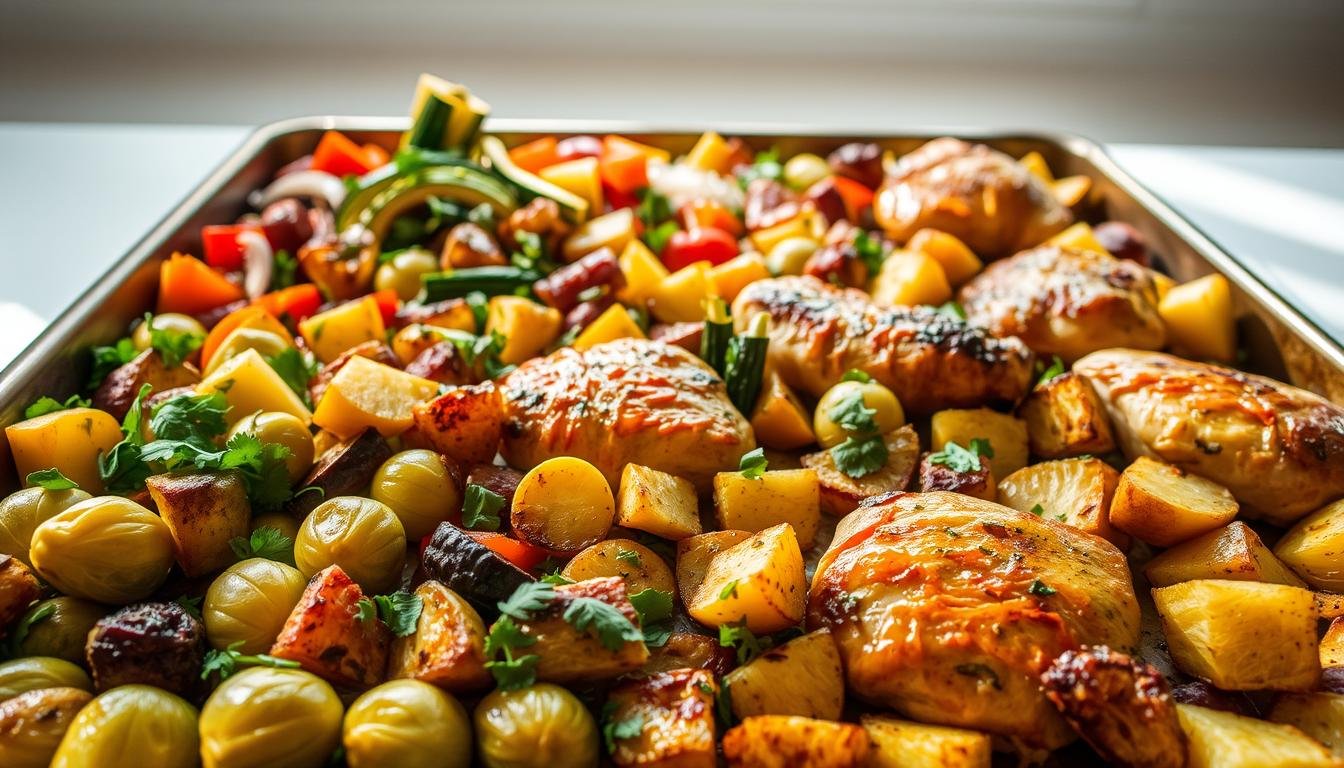
These kitchen heroes let you roast savory proteins alongside colorful veggies in one go. Think golden chicken thighs with crisp green beans or honey-glazed salmon paired with caramelized sweet potatoes. The oven handles the heavy lifting, transforming simple ingredients into balanced, aromatic feasts.
Perfect for hectic weeknights, this approach cuts prep time and maximizes taste. Even better? A quick wipe-down is all that’s needed afterward. Whether you’re new to cooking or just short on energy, these methods adapt to your schedule, no fancy skills required.
Note: Some links in this post may be affiliate-based. For details on partnerships, visit our disclosure policy. Now, let’s explore how to turn your kitchen into a stress-free zone with bold flavors and zero fuss.
Introduction: The Magic of One-Pan Meals
Picture this: juicy chicken thighs sizzling beside rainbow carrots while garlic-infused broccoli caramelizes nearby. This isn’t restaurant wizardry, it’s the everyday efficiency of cooking everything together. By arranging complementary items on a single surface, you create harmony between textures and flavors without constant monitoring.
What Are Sheet Pan Dinners?
These meals involve roasting proteins and vegetables simultaneously on a large, rimmed metal tray. The high heat creates crispy edges while locking in moisture. For example, maple-glazed pork chops might share space with apples and red onions, each element enhancing the others’ taste.
Benefits for Busy Weeknights
Families gain 3 core advantages:
| Aspect | Traditional Cooking | One-Pan Method |
|---|---|---|
| Active Prep | 25+ minutes | Under 10 minutes |
| Cleanup | Multiple dishes | One tray + utensils |
| Dietary Flexibility | Limited options | Swap proteins/veggies freely |
As noted in Sue Quinn’s Sheet Pan Magic, this approach lets you modify components like cheese types or spice blends. You can even prep components ahead, marinate tofu overnight, or chop vegetables during lunch breaks.
Weeknight warriors particularly appreciate how ingredients cook unattended. While salmon roasts with asparagus, you can fold laundry or help with homework. The oven does the heavy lifting, turning raw items into cohesive meals with minimal effort.
Essential Ingredients & Tools for Sheet Pan Cooking
Success starts with the right foundation. A well-equipped kitchen and fresh components transform simple combinations into vibrant, caramelized masterpieces. The secret lies in balancing sturdy equipment with thoughtfully chosen items that roast beautifully together.
Must-Have Kitchen Tools
An 18×13-inch rimmed metal tray is non-negotiable. Its generous size prevents overcrowding, allowing heat to circulate evenly. Pair it with an oven-safe wire rack for proteins that benefit from elevated airflow, like crispy-skinned chicken or flaky fish fillets.
Pre-measured spices in small bowls streamline your prep routine. This hack lets you layer flavors quickly, think smoked paprika on sweet potatoes or rosemary-infused salt over Brussels sprouts. Silicone-tipped tongs ensure gentle flipping without scratching surfaces.
Quality Ingredients for Flavorful Results
Extra virgin olive oil forms the base of most recipes, helping vegetables crisp while adding richness. Fresh produce like broccoli or bell peppers retains texture better than frozen alternatives. Lean proteins, chicken thighs, shrimp, or tofu- absorb marinades effectively and cook uniformly.
Invest in coarse sea salt and whole peppercorns for bolder seasoning. As Bon Appétit notes, these amplify taste without overpowering other elements. Remember: better ingredients mean fewer adjustments later, letting the oven work its magic undisturbed.
The Basics of Sheet Pan Meal Prep
Want to turn scattered ingredients into cohesive meals? Start by mastering portion ratios and timing. A balanced approach ensures every bite delivers flavor and nutrition without guesswork.
Balancing Protein and Veggies
Divide your tray: dedicate half to lean proteins like chicken breasts or salmon. Fill the remaining space with hardy vegetables like broccoli or bell peppers. This 50/50 split creates meals that satisfy hunger and dietary needs.
Thicker cuts work best for proteins, they won’t dry out during roasting. Pair them with veggies that caramelize well, such as zucchini or Brussels sprouts. For plant-based options, try marinated tofu or chickpeas.
Understanding Optimal Cooking Times
Group ingredients with similar cooking durations. Shrimp and asparagus roast in 12 minutes, while chicken thighs need 25-30 minutes. Start longer-cooking items first, then add quicker options halfway through.
Avoid overcrowding. Spread items in a single layer to let heat circulate. If your tray looks packed, use two pans. Pre-chopping vegetables saves prep time and ensures even roasting.
Sheet pan dinner recipes, one pan meals, easy clean up dinner,
Tired of recipe overload? Discover vibrant combinations that cook together seamlessly. These crowd-pleasing creations balance bold flavors with minimal hands-on work, ideal for hectic schedules.
| Recipe | Cook Time | Key Ingredients |
|---|---|---|
| Italian Turkey Meatballs | 35 mins | Ground turkey, zucchini, and marinara |
| Teriyaki Salmon Bowl | 25 mins | Salmon fillets, pineapple, snap peas |
| Chili Lime Shrimp Bake | 30 mins | Jumbo shrimp, bell peppers, lime |
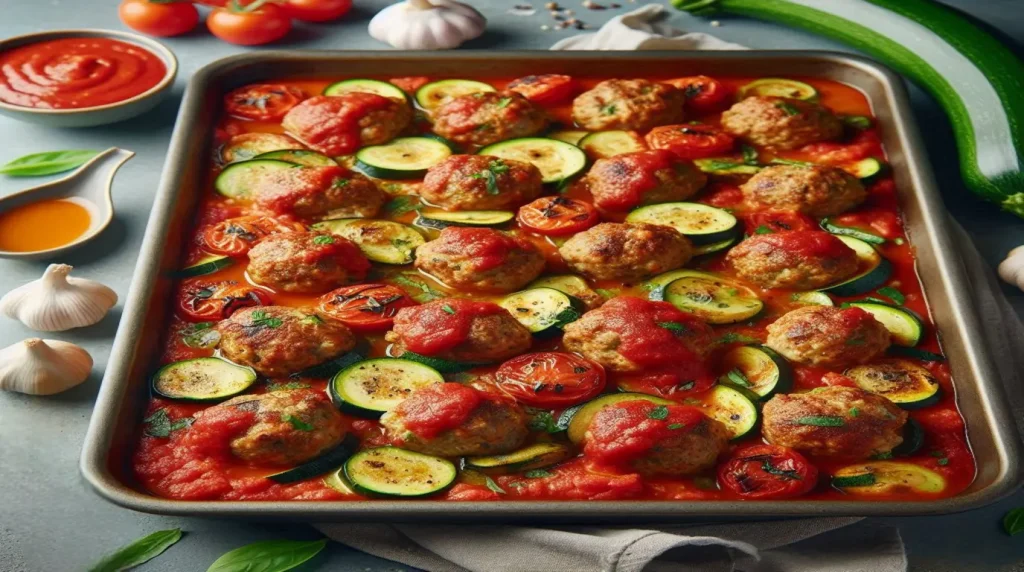
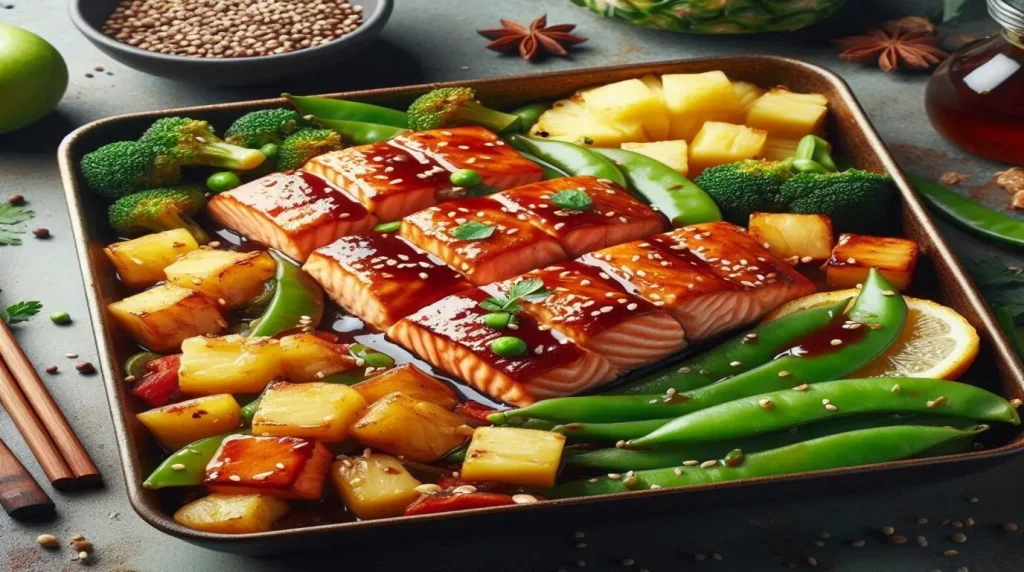
The turkey meatball recipe pairs lean protein with roasted vegetables. A tangy glaze caramelizes during baking, eliminating extra steps. For seafood lovers, the salmon dish uses pre-made teriyaki sauce, just toss with veggies.
Cleanup stays simple since everything cooks on one surface. Silicone liners or parchment paper prevent sticking. Most ingredients roast at 400°F, creating crispy edges without constant monitoring.
Customize based on dietary needs. Swap shrimp for tofu in Asian-inspired dishes or use cauliflower instead of potatoes. The method adapts while keeping prep under 15 minutes. Perfect for gluten-free, low-carb, or dairy-free plans.
Ready to simplify weeknights? These one-pan meals turn cooking into a streamlined ritual. Less scrubbing means more time for what matters, like savoring bold flavors with zero stress.
3 Easy One-Pan Dinners Recipes: Italian Turkey Meatballs, Teriyaki Salmon & Chili Lime Shrimp
1. Italian Turkey Meatballs (Sheet Pan)
Time: 35 minutes
Main Ingredients: Ground turkey, zucchini, and marinara sauce
Ingredients (Serves 2):
- 1/2 lb ground turkey
- 1/4 cup breadcrumbs
- 1 tbsp grated Parmesan
- 1 egg
- 1 garlic clove (minced)
- 1/2 tsp Italian seasoning
- Salt & pepper to taste
- 1 medium zucchini, sliced
- 1/2 cup marinara sauce
- Olive oil spray
Instructions:
- Preheat oven to 400°F (200°C). Line a sheet pan with parchment paper.
- Mix the meatballs: In a bowl, combine turkey, breadcrumbs, egg, Parmesan, garlic, seasoning, salt, and pepper. Form into small meatballs.
- Arrange on the pan: Place meatballs and zucchini slices on the sheet pan. Lightly spray with olive oil.
- Bake for 25–30 minutes, flipping halfway through.
- Finish: Spoon warm marinara sauce over the meatballs before serving.
Pro Tip:
Add mozzarella on top during the last 5 minutes for a cheesy finish.
2. Teriyaki Salmon Bowl (Sheet Pan)
Time: 25 minutes
Main Ingredients: Salmon fillets, pineapple chunks, snap peas
Ingredients (Serves 2):
- 2 salmon fillets
- 1/2 cup pineapple chunks
- 1 cup snap peas
- 2 tbsp teriyaki sauce
- 1 tbsp sesame oil
- 1/2 tsp grated ginger
- 1/2 tsp garlic powder
- Sesame seeds (optional)
- Cooked rice (for serving)
Instructions:
- Preheat oven to 425°F (220°C). Line a sheet pan with foil or parchment.
- Marinate salmon: In a small bowl, mix teriyaki sauce, sesame oil, ginger, and garlic powder. Brush over salmon fillets.
- Arrange ingredients: Place salmon, pineapple, and snap peas on the sheet pan.
- Bake for 15–18 minutes until salmon is flaky.
- Serve over rice and sprinkle with sesame seeds.
Pro Tip:
Broil for the last 2 minutes to caramelize the pineapple for extra flavor.
3. Chili Lime Shrimp Bake (Sheet Pan)
Time: 30 minutes
Main Ingredients: Jumbo shrimp, bell peppers, lime
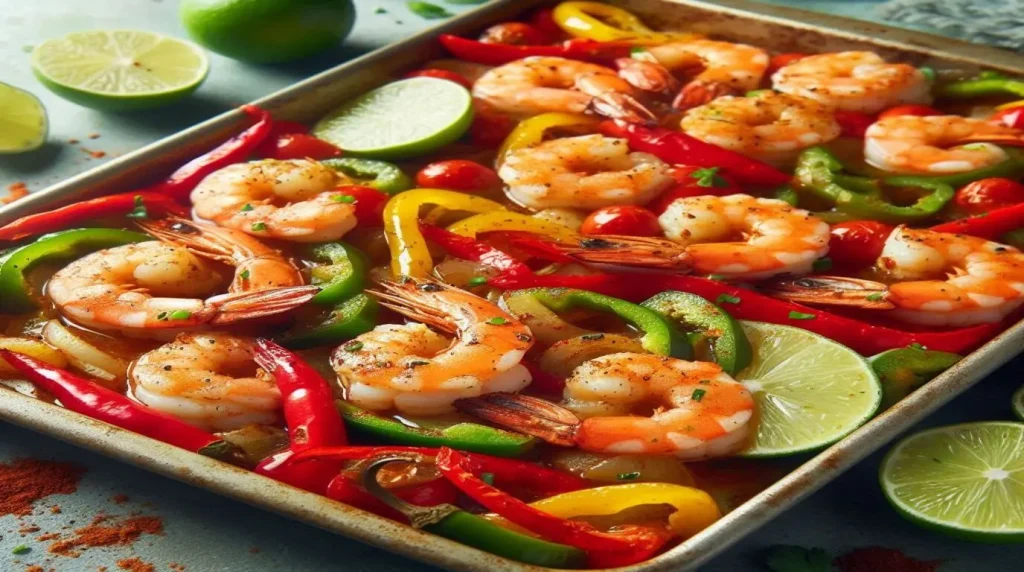
Ingredients (Serves 2):
- 10–12 jumbo shrimp (peeled & deveined)
- 1 red bell pepper, sliced
- 1 yellow bell pepper, sliced
- 1 tbsp olive oil
- Juice of 1 lime
- Zest of 1/2 lime
- 1/2 tsp chili powder
- 1/4 tsp cumin
- Salt & pepper to taste
- Fresh cilantro (optional)
Instructions:
- Preheat oven to 400°F (200°C). Line a baking sheet with parchment paper.
- Marinate shrimp: Toss shrimp in a bowl with olive oil, lime juice and zest, chili powder, cumin, salt, and pepper.
- Add to sheet pan: Spread shrimp and bell peppers evenly on the pan.
- Bake for 12–15 minutes until shrimp are pink and cooked through.
- Garnish with chopped cilantro before serving.
Pro Tip:
Serve with warm tortillas or quinoa for a full meal.
One-Pan Roast Protein Idea
Choosing the right protein transforms simple ingredients into hearty meals. Versatile options like chicken thighs or salmon fillets develop rich flavors while roasting alongside vegetables. Let’s explore how different cuts and cooking styles elevate your results.
Chicken, Turkey, and Pork Options
Bone-in chicken thighs stay juicy under high heat, perfect for Mediterranean spices or honey-glazed marinades. Skinless turkey cutlets cook faster; pair them with Brussels sprouts for balanced meals. For pork lovers, try maple-mustard chops with carrots. Even sausage links work well, especially when roasted with peppers and onions.
Seafood Selections Like Salmon
Salmon’s natural oils make it ideal for roasting. Brush fillets with olive oil and rosemary, then nestle them among asparagus or cherry tomatoes. Shrimp cooks quickly, toss with lime and chili powder, then bake with snap peas. Always add seafood last if combining with longer-cooking meats.
Pro tip: Match proteins to veggies with similar cook times. Chicken thighs (25-30 mins) pair well with potatoes, while shrimp (12 mins) suits zucchini. This ensures everything finishes tender and caramelized, no dry meat or mushy veggies.
Vegetable Medleys That Shine on a Sheet Pan
Transform ordinary veggies into caramelized masterpieces with smart prep and bold seasoning. The right techniques turn humble potatoes and broccoli into stars that hold their own alongside proteins.
Roasting Tips for Perfectly Tender Veggies
Start by choosing sturdy vegetables that roast evenly. Carrots, potatoes, and broccoli maintain their texture under high heat. Cut them uniformly, ½-inch thick slices for peppers, ¾-inch cubes for squash. This ensures consistent cooking.
Preheat your oven to 400°F. Toss veggies with olive oil and minced garlic for depth. Spread them in a single layer, overcrowding causes steaming. Use two trays if needed. Roast until edges crisp while centers stay tender.
| Vegetable Combo | Perfect Pairing | Cook Time |
|---|---|---|
| Sweet potatoes + Brussels sprouts | Chicken thighs | 30 mins |
| Broccoli + cherry tomatoes | Salmon fillets | 20 mins |
| Bell peppers + zucchini | Shrimp skewers | 15 mins |
Finish with fresh herbs or lemon zest. These bright touches elevate simple roasted dishes. For Mediterranean flair, add oregano and feta. Asian-inspired mixes thrive with sesame oil and ginger.
Pair hearty root vegetables with robust meats like pork. Delicate asparagus complements lighter proteins like cod. This balance creates meals where every component shines.
Seasoning and Marinades for Maximum Flavor
Unlock deeper taste profiles by mastering the art of flavor-building. Proper seasoning and marinades transform basic ingredients into vibrant dishes. Prepping proteins and vegetables with bold blends ensures every bite bursts with complexity.
Marinades work double duty: they tenderize meats while infusing them with zesty notes. A mix of olive oil, lemon juice, and minced garlic creates a versatile base. Add herbs like oregano or thyme for earthy undertones. Let chicken soak for 10-15 minutes, just enough time to absorb flavors without becoming mushy.
| Seasoning Component | Best Uses | Flavor Impact |
|---|---|---|
| Garlic + Lemon Zest | Chicken, shrimp, broccoli | Bright, aromatic |
| Smoked Paprika + Olive Oil | Pork, sweet potatoes | Rich, smoky |
| Chili Flakes + Honey | Salmon, carrots | Sweet heat |
Don’t overlook vegetables in leftover marinade before roasting. A sprinkle of pepper and coarse salt enhances natural sweetness. For finishing touches, drizzle garlic aioli over roasted veggies or swirl pesto into grains.
Experiment with global inspirations: try harissa paste for North African warmth or miso glaze for umami depth. As Bon Appétit suggests, balance acidic and fatty elements. A squeeze of lime or dollop of yogurt can reset the palate between bites.
Your spice cabinet holds endless possibilities. Mix cumin and coriander for Middle Eastern flair or go Italian with basil and sun-dried tomatoes. The right blend turns simple meals into signature creations.
Time-Saving Techniques for Quick Prep
Busy schedules demand smart kitchen shortcuts. With strategic planning, you can slash active cooking time while keeping flavors vibrant. The key lies in prepping components ahead and synchronizing oven tasks seamlessly.
Make-Ahead Strategies
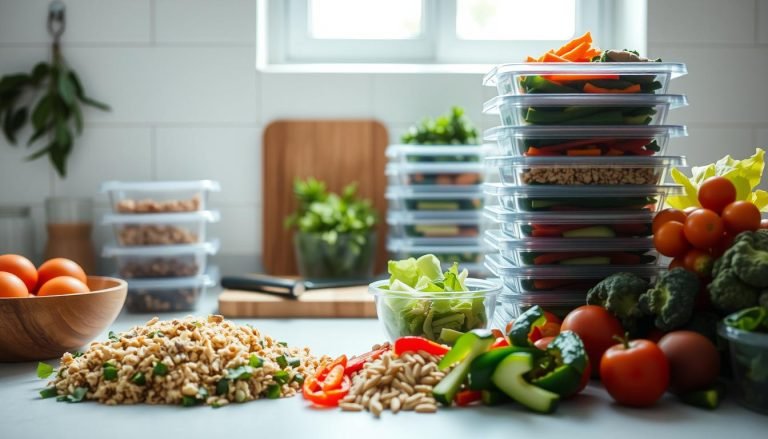
Chop vegetables during weekend meal prep, store them in airtight containers for 3-4 days. Pre-marinate proteins like chicken or tofu overnight. This cuts weekday prep to under 10 minutes while enhancing taste.
Organize your station with labeled spice blends and pre-measured oils. Keep parchment paper and silicone mats within reach. A well-arranged workspace eliminates frantic searches mid-recipe.
Use timers strategically. Start roasting potatoes first, then add quicker-cooking broccoli halfway through. Modern ovens with convection settings shave 5-7 minutes off typical cook times. Pair this with mobile alerts for perfect synchronization.
These methods maintain quality without sacrificing speed. Prepped ingredients stay fresh, while timed additions prevent overcooking. You’ll transform chaotic evenings into smooth culinary routines, with more energy to savor the results.
Customizing Your One-Pan Meal for Dietary Needs
Dietary restrictions don’t have to limit your culinary creativity. The one-pan framework thrives on flexibility, letting you swap ingredients without sacrificing taste or texture. Whether vegan, gluten-free, or low-carb, this method adapts seamlessly, proven by countless recipe developers.
For plant-based diets, replace chicken with marinated tofu or tempeh. Pair them with cauliflower rice instead of potatoes for a grain-free twist. Need gluten-free options? Use tamari instead of soy sauce and opt for quinoa as a hearty base.
Boost nutrition effortlessly:
- Add toasted cashews for crunch and protein
- Mix in kale or spinach during the last 5 minutes of roasting
- Drizzle dishes with omega-rich flaxseed oil
Even classic recipes transform with simple tweaks. Swap Parmesan for nutritional yeast in Italian-inspired bakes. Skip eggs in veggie-packed frittatas by using chickpea flour. These changes maintain bold flavors while aligning with specific health goals.
Balance remains key. Roast lean proteins like turkey with antioxidant-rich sweet potatoes. Toss shrimp with zinc-packed mushrooms and garlic. Every dinner becomes a chance to nourish without compromise, proving that smart substitutions can delight any palate.
Creative Variations for Day-to-Day Dinners
Reinvent your culinary routine with imaginative twists that turn everyday meals into memorable experiences. A dash of creativity transforms basic combinations into vibrant flavors suited for any occasion, from casual weeknights to celebratory gatherings.
From Comfort Food to Holiday Feasts
Classic recipes get new life with simple swaps. Swap basic seasonings for bold blends: try smoked paprika on roasted potatoes or honey-chipotle glaze on chicken. For holidays, add pomegranate seeds to Brussels sprouts or cranberry glaze to pork tenderloin.
| Recipe Type | Everyday Twist | Holiday Upgrade | Key Ingredients |
|---|---|---|---|
| Chicken Dinner | Lemon-Garlic | Rosemary-Orange Glaze | Thighs, citrus, herbs |
| Vegetarian Meal | Curried Cauliflower | Pistachio-Crusted Tofu | Chickpeas, coconut milk |
| Seafood Feast | Garlic Butter Shrimp | Saffron-Infused Cod | White fish, cherry tomatoes |
Experiment with proteins like tandoori-spiced chicken or chili-lime shrimp. Pair them with seasonal veggies, roasted fennel in fall, and asparagus in spring. Even dinner staples like meatloaf become festive when baked with balsamic-glazed carrots.
These adaptable recipes thrive on personalization. A weeknight stir-fry becomes company-worthy with toasted almonds and lime zest. Whether feeding picky eaters or hosting guests, this approach keeps cooking exciting without extra effort.
Incorporating Global Flavors into Sheet Pan Dinners
Exploring world cuisines can transform your weeknight routine into a passport-free culinary journey. By blending vibrant seasonings and traditional techniques, you create aromatic dishes that feel both exotic and approachable. The secret lies in smart swaps, like using garlic-infused olive oil instead of butter or tossing veggies in zesty spice blends.
Mediterranean Magic
Sun-drenched flavors shine with lemon, oregano, and briny olives. Try chicken thighs roasted with artichokes and cherry tomatoes, finished with crumbled feta. For vegetarian options, toss chickpeas in smoked paprika before baking with zucchini and red onion.
Asian Fusion
Whisk together soy sauce, ginger, and sesame oil for a bold marinade. Glaze salmon fillets with this mix, then roast alongside snap peas and jasmine rice. Top with toasted sesame seeds for crunch. Korean-inspired gochujang paste also adds fiery depth to roasted cauliflower.
Latin Heat
Chili powder, cumin, and lime zest bring south-of-the-border warmth. Skirt steak marinated in adobo pairs perfectly with charred poblano peppers. Or bake shrimp with mango slices and black beans for tropical flair. A sprinkle of fresh cilantro ties everything together.
These globally inspired sheet pan dinners prove adventure doesn’t require complicated steps. Keep staple ingredients like coconut milk or harissa paste on hand for spontaneous experiments. Your taste buds and busy schedule will thank you.
Tips for Perfectly Roasted Ingredients
Mastering the art of roasting transforms simple components into caramelized, textured delights. The difference between limp veggies and crisp-edged perfection lies in technique, not luck. Let’s break down methods to elevate your results every time.
Strategies for Uniform Results
Always preheat your oven to the temperature specified in recipes—usually between 400°F and 425°F. A hot start ensures ingredients begin cooking immediately, preventing uneven textures. Line your tray with parchment paper to minimize sticking without excess oil.
Arrange items in a single layer with space between them. Overcrowding traps steam, leading to soggy broccoli or rubbery chicken. For proteins like breaded cutlets, place them on a wire rack above the tray. This lets heat circulate underneath, crisping every surface.
| Common Mistake | Fix | Outcome |
|---|---|---|
| Cold oven start | Preheat 15 minutes early | Consistent browning |
| Piled ingredients | Use two trays | Crispy edges |
| No parchment | Non-stick liner | Easy flipping |
Combating Moisture Buildup
Pat the proteins and veggies dry before seasoning. Excess moisture creates steam, softening surfaces. For items like zucchini or mushrooms, roast at higher temps (425°F+) to evaporate liquid quickly. Flip halfway through cooking to expose all sides to dry heat.
If using marinades, apply them lightly. Too much liquid pools at the bottom of the tray. For crispy potatoes or Brussels sprouts, toss with oil after cutting—this seals in starch and promotes crunch.
The Role of Essential Oils and Toppings
Elevating simple dishes to restaurant-quality creations starts with two key elements: premium oils and thoughtful garnishes. These components add depth and texture while unifying flavors across proteins and vegetables. Let’s explore how to use them strategically.
Using Olive Oil and Infused Variants
Extra virgin olive oil is a kitchen staple for roasting. Its rich, fruity notes enhance caramelization while keeping vegetables tender. Infused versions, like garlic or rosemary, add gourmet flair without extra prep. A drizzle before serving amplifies aroma and ties ingredients together.
| Oil Type | Best Uses | Flavor Impact |
|---|---|---|
| Extra Virgin Olive | Roasted veggies, poultry | Earthy, robust |
| Infused Garlic | Breaded proteins, potatoes | Savory, aromatic |
| Avocado | High-heat roasting | Neutral, buttery |
Toppings provide the finishing touch. Fresh herbs like thyme or parsley brighten hearty dishes. Grated Parmesan or feta adds salty complexity. For crunch, try toasted nuts or sesame seeds.
Pair oils and garnishes with your meal’s theme. Mediterranean dishes shine with lemon-infused oil and oregano. Asian-inspired plates benefit from sesame oil and scallions. A sprinkle of cheese or chili flakes can transform basic ingredients into memorable meals.
Balancing Nutrition and Flavor in One-Pan Meals
Crafting meals that satisfy both taste buds and nutritional needs starts with smart pairings. Focus on lean proteins like chicken breast or turkey, which provide essential amino acids without excess fat. Pair them with colorful veggies such as broccoli or bell peppers for fiber and vitamins.
Season smartly to boost taste without sodium overload. Fresh herbs like basil or thyme add brightness, while citrus zest enhances natural sweetness. For example, lemon juice tenderizes chicken while infusing a tangy flavor, no heavy sauces needed.
Consider these tweaks for healthier results:
- Swap russet potatoes for vitamin-rich sweet potatoes
- Use Greek yogurt instead of mayo in marinades
- Roast Brussels sprouts with garlic instead of bacon
Nutrient-dense ingredients often bring their own delicious profiles. Cherry tomatoes burst with umami when roasted, and salmon’s natural oils eliminate the need for butter. Even simple combos like chicken thighs with zucchini become crave-worthy through proper seasoning.
Remember: wholesome meals shouldn’t taste bland. A sprinkle of smoked paprika transforms basic cauliflower, while honey-drizzled carrots satisfy sweet cravings nutritiously. When protein and produce work in harmony, every bite delivers both nourishment and excitement.
Troubleshooting Common Sheet Pan Dinner Issues
Why do some meals turn out soggy or uneven? Often, it’s due to overcrowded surfaces or mismatched cook times. Let’s fix these hurdles so every bite delivers crispy edges and tender centers.
Space Matters: Avoiding the Crowd
Overpacking traps steam, turning crisp veggies into mush. Leave 1 inch between items for airflow. If your tray looks full, use two pans or a wire rack to elevate proteins. For example, place chicken above Brussels sprouts to let drippings flavor them without causing sogginess.
Practical fixes:
- Divide ingredients into zones (e.g., potatoes on one side, broccoli on the other)
- Roast in batches if oven space allows
- Choose deeper pans for juicier items like tomatoes
Timing Proteins Perfectly
Thick pork chops and thin fish fillets won’t finish together. Start hearty meats first, then add delicate items halfway. Bone-in chicken needs 25-30 minutes at 400°F, while shrimp cooks in 12. Use this table as a guide:
| Protein | Thickness | Ideal Time |
|---|---|---|
| Salmon | 1 inch | 15 mins |
| Chicken Breast | ¾ inch | 22 mins |
| Tofu | ½ inch | 18 mins |
Rotate pans midway to counter hot spots. If edges brown too fast, tent foil over problem areas. With smart spacing and timing, you’ll transform chaotic trays into golden, restaurant-worthy results.
To Conclude This Easy Sheet Pan Dinners
Transforming weeknight cooking starts with embracing methods that blend efficiency with flavor. These streamlined recipes prove that minimal effort can yield bold results, think golden proteins nestled beside caramelized vegetables, all from a single surface.
The beauty lies in adaptability. Swap ingredients freely, try salmon with asparagus or spiced chickpeas with squash. Proper seasoning and smart prep ensure every combination shines. Remember: preheat your oven, space items evenly, and layer flavors with herbs or citrus.
Ready to simplify your routine? Experiment with global spices or seasonal produce. Share your creations online to inspire others. Whether you’re feeding a family or meal-prepping solo, this approach turns chaotic evenings into calm, delicious moments.
Thank you for exploring these strategies. Now, grab your tray and rediscover the joy of stress-free cooking. Your future self, and sink full of clean dishes, will thank you.