The Busy Person’s Guide to Quick & Easy Meal Prep
Meal Prep Made Easy: Time-Saving Healthy Eating Tips for Busy Professionals
Easy meal prep solutions are a game-changer in today’s fast-paced world, where maintaining healthy eating habits can be challenging, especially for busy professionals and parents. By dedicating just a few hours each week to prepping meals, you can save time during hectic weekdays and ensure you’re always reaching for something nutritious. This comprehensive guide will introduce you to the concept of meal prep and provide simple, delicious recipes to help you get started.
Dedicating a few hours per week to meal preparation can transform your daily routine. By doing so, you’ll have a fridge full of healthy meals ready to go, cutting down kitchen time on busy days. This comprehensive guide will introduce you to the concept of meal prep and provide you with simple, delicious recipe ideas to get you started.
With meal prep, you can customize your meal plan according to your dietary needs and preferences. By the end of this guide, you’ll have the tools and knowledge needed to implement a sustainable meal prep routine, making healthy eating effortless even on the busiest of days.
Why Meal Prepping is a Game-Changer for Busy People
Meal prepping is a revolutionary approach for busy individuals seeking to maintain a healthy diet. By dedicating a few hours each week to preparing meals in advance, individuals can save time, reduce stress, and ensure they are consuming nutritious food.
Time and Money Savings
One of the significant advantages of meal prepping is the potential for time and money savings. By planning meals, you can avoid last-minute takeouts and reduce food waste. This approach allows you to buy ingredients in bulk and take advantage of sales, leading to financial savings. Additionally, having prepped meals can save you time during the week when you’re busy.
Health Benefits of Planned Meals
Planned meals offer numerous health benefits, including:
- Maintaining balanced nutrition with appropriate portions of proteins, complex carbohydrates, and vegetables.
- Controlling ingredients to avoid excessive sodium, sugar, and unhealthy fats.
- Regulating blood sugar levels and metabolism through consistent meal timing.
- Supporting specific health goals, like weight management or increased protein intake.
By incorporating meal prep into your routine, you can enjoy these benefits and develop a healthier relationship with food.
Essential Tools for Successful Meal Prepping
The key to efficient meal prep lies in the tools you use. Having the right equipment can significantly reduce time spent in the kitchen and make the process more enjoyable.
Storage Containers Worth Investing In
Investing in good-quality storage containers is crucial for keeping your prepped meals fresh. Look for containers that are airtight, microwave-safe, and dishwasher-friendly. This will make storing and reheating your meals a breeze.
- Airtight containers keep food fresh for longer.
- Microwave-safe containers allow for easy reheating.
- Stackable containers save space in your fridge or freezer.
Time-Saving Kitchen Gadgets
Several kitchen gadgets can significantly reduce the time spent on meal prep. Some of the most useful include:
- A high-quality chef’s knife for faster vegetable and protein prep.
- Food processors that chop, slice, and dice ingredients quickly.
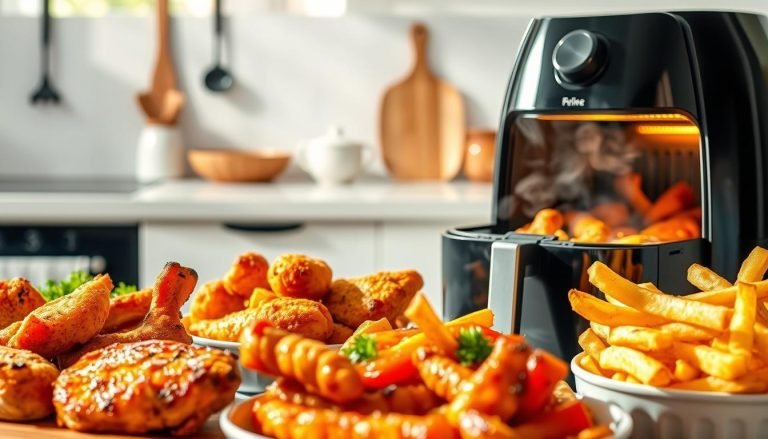
- Slow cookers and Instant Pots for hands-off cooking.
- Sheet pans are for roasting large batches of food simultaneously.
These gadgets not only save time but also make the cooking process more efficient, allowing you to prepare healthy meals with minimal effort.
How to Start Meal Prepping: A Beginner’s Guide
Embarking on a meal prep journey can seem daunting, but with a clear plan, you can set yourself up for success. The key to a successful meal prep is in the planning.
Planning Your First Prep Session
Before you start cooking, take some time to plan your first meal prep session. Decide on a few simple recipes that you enjoy and that can be easily prepared in advance. Consider your dietary goals and preferences, as well as any ingredients you already have on hand.
Creating a Grocery List That Works
Creating an effective grocery list is crucial for successful meal prep. To do this, organize your list by store sections, such as produce, meat, and dairy. Review your pantry, refrigerator, and freezer to avoid buying items you already have. Include quantities for each ingredient based on your meal plan, and prioritize versatile ingredients that can be used across multiple recipes.
| Grocery List Tips | Benefits |
|---|---|
| Organize by store sections | Shop more efficiently |
| Review pantry and fridge | Avoid duplicate purchases |
| Include quantities | Buy exactly what you need |
Quick, Easy Meal Prep Ideas for Breakfast
Meal prepping breakfast can save time and ensure you’re fueling your body with the right foods. A well-planned breakfast can boost your energy levels and support your overall health. By preparing your breakfast in advance, you can enjoy a nutritious meal even on the busiest mornings.
Overnight Oats Variations
Overnight oats are a versatile breakfast option that can be customized to suit any taste. By mixing rolled oats with milk, fruits, and nuts, you can create a delicious and healthy breakfast. Try different combinations, such as adding cocoa powder for a chocolatey twist or fresh berries for a burst of flavor. Overnight oats are perfect for meal prep as they can be refrigerated for up to 3 days.
Egg-Based Make-Ahead Breakfasts
Eggs are an excellent source of protein and can be prepared in various ways for a quick breakfast. Consider making a batch of egg muffins or a breakfast casserole that can be reheated throughout the week. These egg-based breakfasts are not only convenient but also packed with nutrients to keep you going.
Freezer-Friendly Breakfast Options
Freezer-friendly breakfast options are a great way to extend your meal prep beyond a few days. You can make a batch of homemade granola, healthy banana bread, or vegan breakfast burritos and freeze them for later use. Other ideas include pumpkin muffins and breakfast sandwiches with English muffins, eggs, cheese, and protein, which can be individually wrapped and frozen for up to three months.
Protein-Packed Lunch Ideas for the Workweek
For busy professionals, having a repertoire of protein-rich lunch ideas can be a game-changer for staying on track with healthy eating. Incorporating protein into your meal prep can help sustain your energy levels throughout the day. Here are some innovative and easy-to-prepare lunch ideas that are packed with protein.
Mason Jar Salads That Stay Fresh
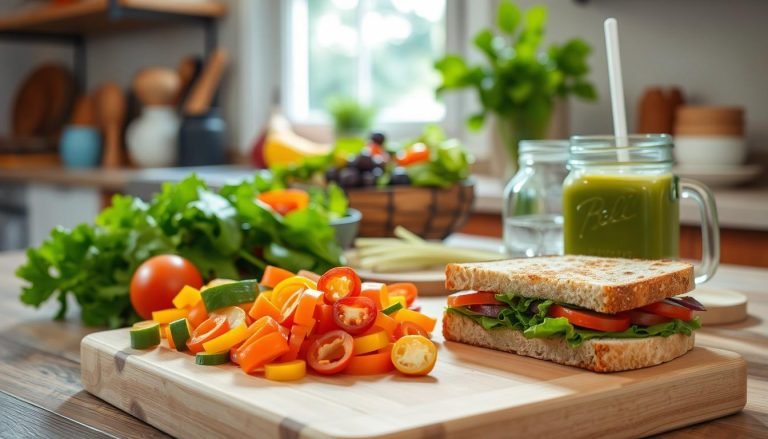
Mason jar salads are a convenient and healthy lunch option. Layering veggies, proteins like chicken, and grains such as quinoa in a jar creates a balanced meal. The key is to keep the dressing at the bottom to prevent sogginess, ensuring the salad stays fresh for days.
Wraps and Sandwiches That Won’t Get Soggy
Wraps and sandwiches can be made ahead of time without becoming soggy by using the right techniques. Selecting ingredients that complement each other and storing them properly can make a big difference. Using whole grain wraps and adding protein sources like chicken or beans can enhance the nutritional value.
Grain Bowls for Sustained Energy
Grain bowls are hearty and filling, topped with proteins, vegetables, and flavorful dressings. A quinoa bowl with pesto, chickpeas, and vegetables makes a nutritious lunch option. These bowls combine complex carbohydrates, proteins, and veggies for balanced, energy-sustaining meals. Base grains like quinoa, brown rice, or farro can be prepared in large batches and portioned for the week.
Dinner Meal Prep Strategies That Save Time
Streamlining dinner preparation through meal prep can significantly reduce stress on busy evenings. By implementing a few strategic approaches, you can enjoy healthy, home-cooked meals without spending hours in the kitchen.
Sheet Pan Meals for Minimal Cleanup
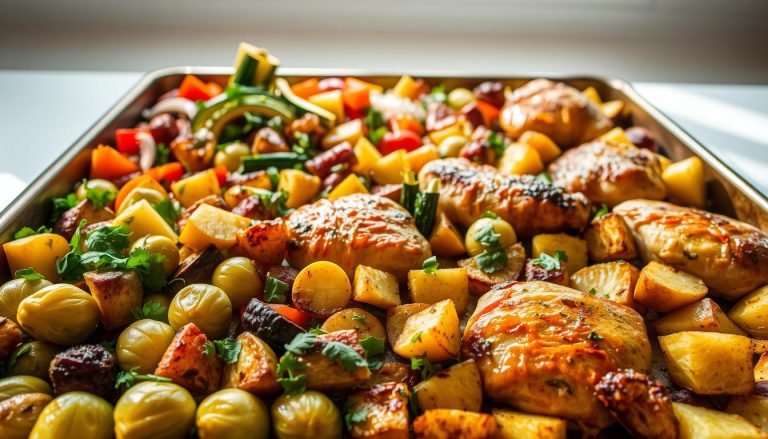
Sheet pan meals are a fantastic way to prepare dinner with minimal cleanup. Simply arrange your protein, vegetables, and seasonings on a sheet pan, and roast in the oven. This method allows for easy meal prep and can be customized with various ingredients. For example, you can make a delicious chicken and vegetable sheet pan meal by combining chicken breast, broccoli, carrots, and your favorite seasonings.
Slow Cooker and Instant Pot Recipes
Slow cookers and Instant Pots are invaluable tools for meal prep. They allow you to cook a variety of dishes with minimal supervision. You can prepare a hearty beef stew in a slow cooker or quickly cook a chicken and rice dish in an Instant Pot. These appliances save time and effort, making them perfect for busy individuals.
Cook Once, Eat Twice Approach
The cook once, eat twice approach involves making larger portions that can be repurposed into different meals. For instance, roasting a whole chicken on Sunday can provide leftovers for chicken tacos, salads, or soup later in the week. This strategy maximizes efficiency by creating leftovers that transform into new meals, reducing overall cooking time while maintaining meal variety.
By incorporating these dinner meal prep strategies, you can save time during the week and enjoy healthy, delicious meals. Whether you choose sheet pan meals, slow cooker recipes, or the cook once, eat twice approach, you’ll be able to simplify dinner time and reduce stress.
Component-Based Meal Prepping: The Ultimate Flexibility
Component-based meal prepping offers the ultimate flexibility for busy individuals. This approach involves preparing individual components of a meal, such as proteins, grains, and vegetables, which can then be combined in various ways to create different meals throughout the week.
Prepping Proteins for Multiple Meals
Prepping proteins in advance is a crucial aspect of component-based meal prepping. By cooking proteins like chicken, beans, or tofu in bulk, you can create a versatile foundation for multiple meals. For example, cooked chicken can be used in salads, wraps, or as a topping for grain bowls.
- Cooking proteins in bulk saves time during the week.
- Prepped proteins can be used in a variety of dishes, reducing meal repetition.
Versatile Grains and Vegetables
Prepping versatile grains like quinoa, farro, and rice allows you to build different meals throughout the week. Roasted vegetables can be added to salads, grain bowls, or served as side dishes. This approach enables you to create a diverse range of meals using the same prepped components.
| Grain | Possible Uses | Pairing Suggestions |
|---|---|---|
| Quinoa | Salads, grain bowls, and breakfast porridge | Roasted vegetables, grilled chicken, and avocado |
| Rice | Side dishes, stir-fries, and sushi bowls | Grilled salmon, roasted vegetables, and teriyaki chicken |
| Farro | Salads, soups, and grain bowls | Roasted vegetables, grilled chicken, and feta cheese |
By combining different prepped components, you can create meals that don’t feel repetitive despite using the same ingredients. This approach accommodates seasonal eating by focusing on whatever produce is fresh and available. Properly stored grains and roasted vegetables typically maintain quality for 4-5 days in the refrigerator.
Batch Cooking Fundamentals for Busy Weeks
Understanding the basics of batch cooking can significantly reduce meal prep time and increase efficiency. Batch cooking involves preparing large quantities of food at once, which can then be portioned out for future meals. This approach is particularly beneficial for busy individuals who need quick, healthy meals throughout the week.
Foods That Freeze Well
Not all foods are suitable for batch cooking and freezing. Proteins like chicken, beef, and fish freeze well, as do vegetables such as broccoli, carrots, and peas. Grains like rice and quinoa also freeze well, making them ideal for batch cooking. It’s essential to know which ingredients retain their quality after freezing to ensure your meals remain delicious and nutritious.
Portioning for Success
Proper portioning is crucial for successful batch cooking. Using containers of appropriate sizes for individual servings helps with portion control and ensures consistency in your meals. Strategic portioning transforms batch cooking into convenient grab-and-go meals, eliminating the need to measure or divide food during busy weekdays. It also helps develop awareness of appropriate serving sizes, supporting healthy eating habits.
- Portioning according to nutritional needs ensures balanced meals.
- Individual portion containers suit varying schedules.
- Labeling portions with contents and dates helps track freshness.
Time-Saving Sauces and Dressings to Prep Ahead
Elevate your meal prep with time-saving sauces and dressings that can be prepared ahead. By having these flavorful additions ready, you can quickly enhance your meals without sacrificing taste or quality.
Versatile Sauces That Transform Simple Ingredients
Having a repertoire of versatile sauces can transform simple ingredients into exciting meals. Consider preparing sauces like teriyaki, BBQ, or salsa verde, which can be used across various dishes. These sauces can be made in large batches, stored in the fridge or freezer, and used as needed. For instance, a simple teriyaki sauce can be used for grilled chicken, salmon, or as a stir-fry sauce, making it a valuable addition to your meal prep arsenal.
Homemade Dressings That Beat Store-Bought
Homemade dressings are not only fresher but also allow for customization according to your taste preferences. Basic vinaigrettes, made with a ratio of 3 parts oil to 1 part acid, can be prepared in minutes and stored for up to two weeks. You can also create creamy dressings using Greek yogurt or avocado for a healthier alternative. Preparing 2-3 different dressings weekly can add variety to your salads and grain bowls, making meal prep more enjoyable and less monotonous.
Meal Prep for Special Dietary Needs
Meal prepping can be adapted to suit various dietary needs, ensuring everyone can benefit from this convenient approach. Whether you’re managing a health condition, following a specific diet, or simply looking for healthier options, meal prep can be tailored to your requirements.
Gluten-Free Meal Prep Ideas
For individuals requiring a gluten-free diet, meal prep can focus on naturally gluten-free foods. Preparing gluten-free grains and roasting vegetables can provide the building blocks for several meals.
Plant-Based and Vegan Options
Plant-based meal prep focuses on whole food sources of protein like legumes and tofu. Batch cooking beans and lentils provides versatile protein sources. Roasting a variety of vegetables creates diverse meal options.
| Dietary Need | Meal Prep Idea | Key Ingredients |
|---|---|---|
| Gluten-Free | Quinoa Salad Bowls | Quinoa, Roasted Vegetables, Grilled Chicken |
| Vegan | Lentil Soup | Lentils, Vegetables, Vegetable Broth |
| Plant-Based | Chickpea Wraps | Chickpeas, Avocado, Whole Wheat Wrap |
Budget-Friendly Meal Prep Strategies
You can enjoy nutritious meals without overspending by adopting budget-friendly meal prep strategies. Effective meal prep is all about planning, smart shopping, and utilizing affordable ingredients.
Affordable Protein Sources
Protein is a crucial component of a meal. To save money, consider using affordable protein sources like beans, lentils, and eggs. These ingredients are not only budget-friendly but also versatile and nutritious. You can incorporate them into various meal prep recipes throughout the week.
| Protein Source | Cost | Versatility |
|---|---|---|
| Beans | Low | High |
| Lentils | Low | High |
| Eggs | Moderate | High |
Seasonal Shopping for Savings
Shopping for seasonal produce saves money and ensures fresher ingredients. Plan your meal prep around what’s currently in season for the best flavor and value. Consider the following benefits of seasonal shopping:
- More affordable and nutritious veggies
- Reduced food costs by building meal plans around abundant produce
- Opportunity to learn basic preservation techniques like freezing
By incorporating these strategies into your meal prep routine, you can enjoy healthy meals throughout the week without breaking the bank.
Family-Friendly Meal Prep: Getting Everyone Involved
Meal prep is more than just cooking; it’s about bringing the family together. By involving all family members in the meal prep process, you can distribute the workload while teaching valuable life skills.
Kid-Approved Prepped Meals
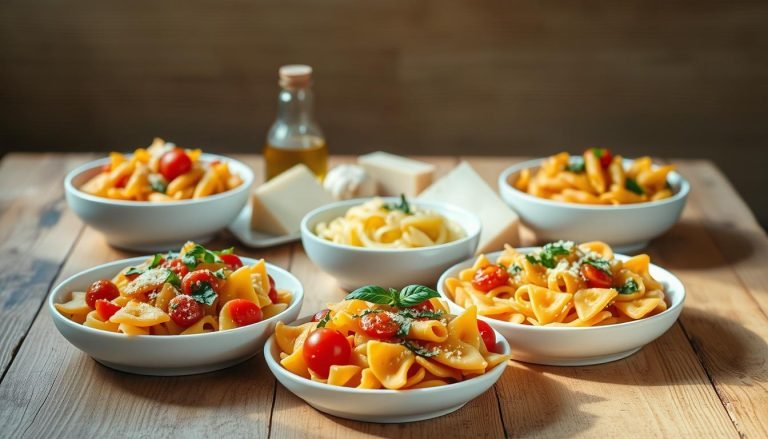
Involving children in meal prep can increase their willingness to try new foods they helped create. Some kid-approved prepped meals include simple recipes like overnight oats, sandwiches, and pasta salads. Assigning age-appropriate tasks to children, such as washing produce or measuring ingredients, allows them to contribute meaningfully to the family’s food preparation.
Making Meal Prep a Family Activity
Making meal prep a family activity creates quality time together that centers around nutrition and cooperation. Older children can learn knife skills, operate certain appliances, or take responsibility for specific recipes. Weekend meal prep sessions can become a family tradition that combines productivity with togetherness, setting children up for healthier, independent eating as they grow.
Avoiding Meal Prep Burnout: Keeping It Interesting
Variety is the spice of life, especially when it comes to meal prep. To avoid burnout, it’s crucial to keep your meal prep routine fresh and exciting.
One way to achieve this is by rotating your meal plans and recipes. This can be done by planning your meals around different themes or cuisines, such as Italian, Mexican, or Asian-inspired dishes.
Rotating Meal Plans and Recipes
Rotating your meal plans helps to introduce new flavors and recipes, keeping your meal prep interesting. You can plan your meals around seasonal ingredients or explore different cuisines to add variety to your meal prep routine.
Global Flavors to Explore
Exploring global cuisines is an excellent way to add variety to your meal prep. For instance, you can try Mediterranean-inspired dishes featuring olive oil, lemon, and herbs, or Asian cuisines with bold flavor combinations. Latin American recipes centered around beans, rice, and citrus can also create satisfying and economical dinners. By incorporating different international flavor profiles and sauce recipes, you can keep your meal prep exciting and prevent burnout.
By incorporating these strategies, you can maintain a fresh and exciting meal prep routine, ensuring that you continue to enjoy the benefits of meal prep without getting bored with the same old recipes and dishes.
Storage Tips for Maximum Freshness
Maximizing the shelf life of your prepped meals starts with effective storage methods. Proper storage techniques are essential for maintaining the quality and safety of your meal prep.
How Long Different Prepped Foods Last
Understanding the shelf life of various prepped foods is crucial for meal planning. Cooked proteins and vegetables typically last 3 to 5 days in the refrigerator, while grains and salads can last up to a week if stored properly.
| Food Type | Refrigerator Life | Freezer Life |
|---|---|---|
| Cooked Proteins | 3-5 days | 2-3 months |
| Vegetables | 3-5 days | 1-2 months |
| Grains | 5-7 days | 2-3 months |
Proper Refrigeration and Freezing Techniques
To maintain the freshness of your meal prep, it’s essential to cool foods completely before refrigerating them. Use airtight containers to prevent moisture and other flavors from affecting your food.
Cooling foods properly before refrigeration prevents condensation that accelerates spoilage. Labeling containers with contents and preparation dates eliminates guesswork about freshness. Proper freezing techniques, such as removing air from containers, prevent freezer burn and quality degradation.
- Cool foods completely before refrigerating to prevent condensation.
- Use airtight containers to maintain freshness and prevent odor transfer.
- Label containers with contents and dates for easy identification.
Common Meal Prep Mistakes to Avoid
While meal prep offers numerous benefits, there are common pitfalls to watch out for. To ensure a successful meal prep experience, it’s essential to be aware of these potential mistakes.
Overprepping and Food Waste
One of the most significant mistakes is overprepping, which can lead to food waste. Preparing too many meals at once can result in ingredients expiring before they can be used. To avoid this, start with a manageable number of meals and adjust based on your needs.
Food Safety Considerations
Food safety is crucial when it comes to meal prep. Using separate cutting boards for raw chicken and produce, cooling foods properly before refrigerating, and following safe reheating guidelines are essential practices. Additionally, maintaining proper hand washing and workspace sanitation throughout prep sessions prevents cross-contamination.
By being mindful of these common mistakes and taking steps to avoid them, you can enjoy the benefits of meal prep while minimizing food waste and ensuring food safety.
Conclusion: Making Meal Prep a Sustainable Habit
Meal prep becomes a sustainable habit when it’s tailored to fit your lifestyle and preferences. To achieve this, it’s essential to start small and be flexible, allowing your approach to evolve as needed.
Building meal prep into your routine, such as dedicating a Sunday afternoon to it, helps establish it as a habit. It’s also crucial to periodically reassess your meal prep approach to ensure it continues to serve your changing needs and preferences.
Celebrating the benefits you experience from meal prepping, whether it’s time savings, financial improvements, or health outcomes, reinforces the habit. Sharing meal prep responsibilities with household members can also distribute the workload and increase buy-in. By viewing meal prep as a form of self-care rather than a chore, you can shift your perspective and make it more sustainable.
Remember, any amount of meal prep, even if not a full week’s worth, still provides benefits. Finding a community, whether online or in-person, with others who meal prep can provide motivation and fresh recipe ideas to maintain the practice long-term.