Healthy Buddha Bowl Recipes: How to Customize Your Meal Prep
What’s the difference between a Buddha bowl and a grain bowl?
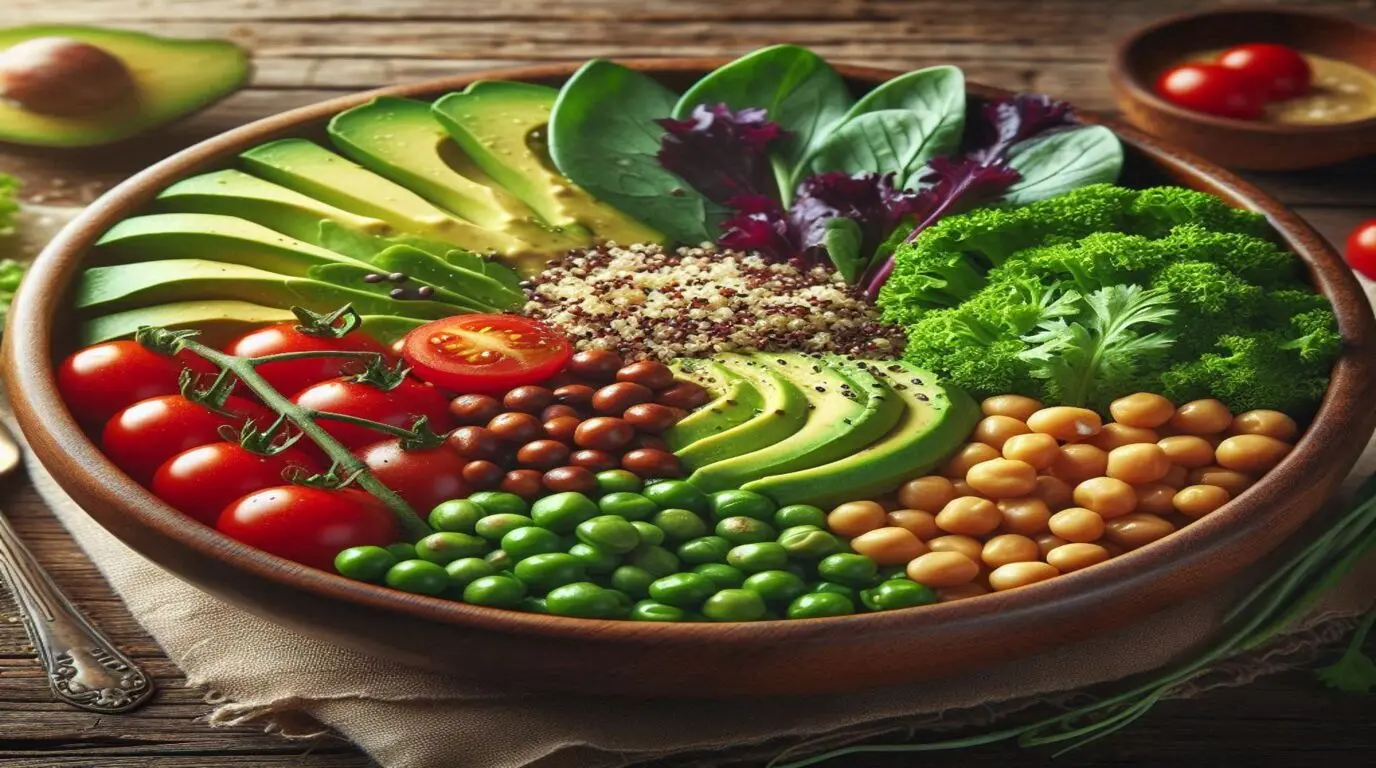
While often used interchangeably, there are subtle distinctions. Buddha bowls typically follow a loose formula of grains + proteins + vegetables + sauce, arranged in sections rather than mixed. Grain bowls, by definition, must include a grain base but may follow different composition rules. Buddha bowls also often emphasize balance across food groups and usually incorporate mindful eating principles, while grain bowls may simply refer to any dish with a grain base.
Where can I find Buddha bowls near me?
Buddha bowls have become mainstream enough that they’re available in most urban and suburban areas. Look for health-focused fast-casual restaurants, local cafés, and juice bars, which commonly feature bowl offerings. National chains like Sweetgreen, Dig, Cava, and even Panera now include grain bowl options. Additionally, meal delivery services like Sunbasket and Green Chef regularly feature Buddha bowl recipes in their weekly offerings.
How many calories are in a typical Buddha bowl?
Calorie counts vary significantly based on ingredients and portions. A balanced Buddha bowl typically ranges from 500-700 calories, making it appropriate for most adults’ lunch or dinner. The calorie distribution is generally favorable, with complex carbohydrates from whole grains, lean proteins, healthy fats from sources like avocado or nuts, and abundant vegetables providing essential nutrients. Many restaurants and meal services now provide specific nutritional information for their bowl offerings.
The Future of Bowl Food: Beyond the Trend
As we look ahead, Buddha bowls appear positioned for evolution rather than extinction. Unlike many flash-in-the-pan food trends, their fundamental value proposition, balanced nutrition, visual appeal, and customization align with enduring consumer priorities.
The next iteration is already emerging in American kitchens and restaurants. Seasonally focused bowls that highlight regional ingredients are gaining traction, as are globally inspired versions that introduce American diners to new flavor profiles from regions like West Africa, Central Asia, and the Caribbean.
Technology is also shaping the future of bowl food. Several startups now offer smart meal planning apps that generate Buddha bowl recipes based on users’ dietary preferences and what’s already in their refrigerator, reducing food waste while maintaining culinary creativity.
Whether you call them Buddha bowls, grain bowls, nourish bowls, or simply “that healthy thing for lunch,” these versatile creations represent more than just another way to combine ingredients. They embody a thoughtful approach to eating that balances nutrition, convenience, personalization, and joy; a combination that suggests this “trend” may well become a permanent feature of American food culture.