3 High-Protein Hearty Bowls for Energy and Muscle Recovery
High-Protein Hearty Bowls: Fuel Your Energy & Boost Muscle Recovery Naturally
Protein bowls have become a staple for fitness enthusiasts and individuals looking for a balanced meal that supports energy and muscle recovery. These nutritious bowls come in various forms, such as burrito bowls, stir-fry bowls, or simple rice bowls, typically topped with a protein source and an assortment of vegetables.
The beauty of a protein-rich meal lies in its versatility and nutritional value. By combining quality protein sources with complex carbohydrates and healthy fats, these bowls provide a satisfying and filling meal that supports overall health and fitness goals.
Key Takeaways
- Three specially crafted recipes for boosting energy and supporting muscle recovery.
- An exploration of why protein bowls are a favorite among fitness enthusiasts.
- Detailed nutritional breakdowns and preparation instructions for each bowl.
- Customization options to fit various dietary preferences and fitness goals.
- Optimal balance of macronutrients in each recipe.
The Power of Protein Bowls for Active Lifestyles
Active lifestyles demand efficient nutrition, and protein bowls are stepping up to the challenge. These bowls are not just a meal; they’re a carefully crafted mix of nutrients designed to support energy levels and muscle recovery.
What Makes a Bowl “High-Protein”
A high-protein bowl typically contains a substantial amount of protein, often from sources like lean meats, eggs, or plant-based options. The protein content is balanced with complex carbohydrates and healthy fats to provide a well-rounded meal that supports both energy and recovery.
Benefits for Energy Levels and Recovery
The combination of protein, complex carbs, and healthy fats in these bowls offers numerous benefits. Here are some key advantages:
- Protein is essential for repairing muscle tissue damaged during exercise, making protein-rich meals crucial for recovery and adaptation.
- The combination of protein with complex carbohydrates provides both immediate and sustained energy release, preventing energy crashes.
- Consuming protein within the post-workout window can significantly enhance muscle protein synthesis and recovery.
- These bowls can be adjusted in calories and macronutrient ratios to match specific energy needs and fitness goals.
- The micronutrients from vegetables and whole grains support metabolic functions that contribute to energy production and overall recovery.
By customizing the ingredients, protein bowls can range from 300-600 calories, making them a versatile meal option for various dietary needs.
Key Nutrients for Muscle Recovery and Energy
Adequate nutrition is crucial for individuals who lead active lifestyles, and certain nutrients play a key role in muscle recovery and energy replenishment. After a workout, the body needs to recover and rebuild muscle tissue and replenish energy stores.
Protein’s Role in Muscle Repair
Protein is essential for muscle repair. It provides the necessary building blocks for muscle recovery, helping to repair and rebuild muscle tissue damaged during exercise.
Complex Carbohydrates for Sustained Energy
Complex carbohydrates like brown rice, whole grains, and sweet potatoes provide sustained energy. They digest slowly, releasing glucose into the bloodstream steadily, and help replenish glycogen stores. Examples include rice, noodles, and potatoes, which are rich in carbs and support digestive health.
Building the Perfect High-Protein Hearty Bowl
To build the perfect high-protein hearty bowl, consider the synergy between protein, carbohydrates, and healthy fats. A well-crafted bowl should provide sustained energy, support muscle recovery, and satisfy your nutritional needs.
The Ideal Protein-to-Carb Ratio
Achieving the right balance between protein and carbohydrates is crucial. The ideal ratio can vary based on individual needs, activity level, and fitness goals. Generally, a balanced ratio supports muscle recovery and provides energy. For instance, a bowl with 30 grams of protein and 40 grams of complex carbohydrates can be an effective combination.
Incorporating Healthy Fats and Fiber
Including healthy fats like avocado and sources of fiber such as chickpeas and beans, enhances the nutritional profile of your bowl. These components not only add flavor and texture but also support digestive health and provide sustained energy. Making the right choice of ingredients is key to creating a nourishing meal.
- Healthy fats support hormone production and nutrient absorption.
- Fiber from vegetables and legumes promotes fullness and stable blood sugar levels.
- The combination of protein, healthy fats, and fiber creates a meal with a low glycemic impact.
Crispy Buffalo Chicken Protein Bowl
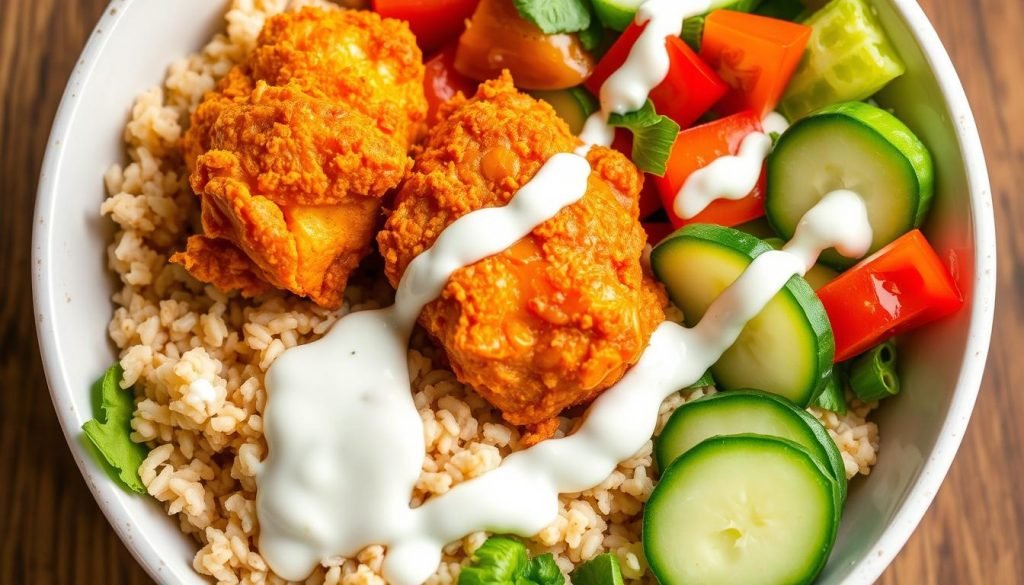
Indulge in the Crispy Buffalo Chicken Protein Bowl, a perfect blend of crispy chicken, fresh vegetables, and savory sauce. This dish is not only delicious but also packed with nutrients essential for muscle recovery and energy.
Nutritional Profile and Recovery Benefits
The Crispy Buffalo Chicken Protein Bowl offers a balanced mix of protein, complex carbohydrates, and healthy fats. The chicken provides a significant amount of protein necessary for muscle repair, while the brown rice offers sustained energy.
Ingredients List
To make this bowl, you’ll need chicken breast, buffalo sauce, brown rice, fresh vegetables (such as lettuce, tomatoes, and cucumbers), and Greek yogurt ranch dressing.
Step-by-Step Preparation
Begin by seasoning cubed chicken with salt, pepper, and garlic powder. Then, heat olive oil in a skillet over medium-high heat and cook the chicken until crispy and cooked through, about 8-10 minutes. Toss the cooked chicken with buffalo sauce. Assemble the bowls with brown rice as the base, topped with the chicken, fresh vegetables, and a drizzle of ranch dressing.
Ginger Beef and Broccoli Protein Bowl
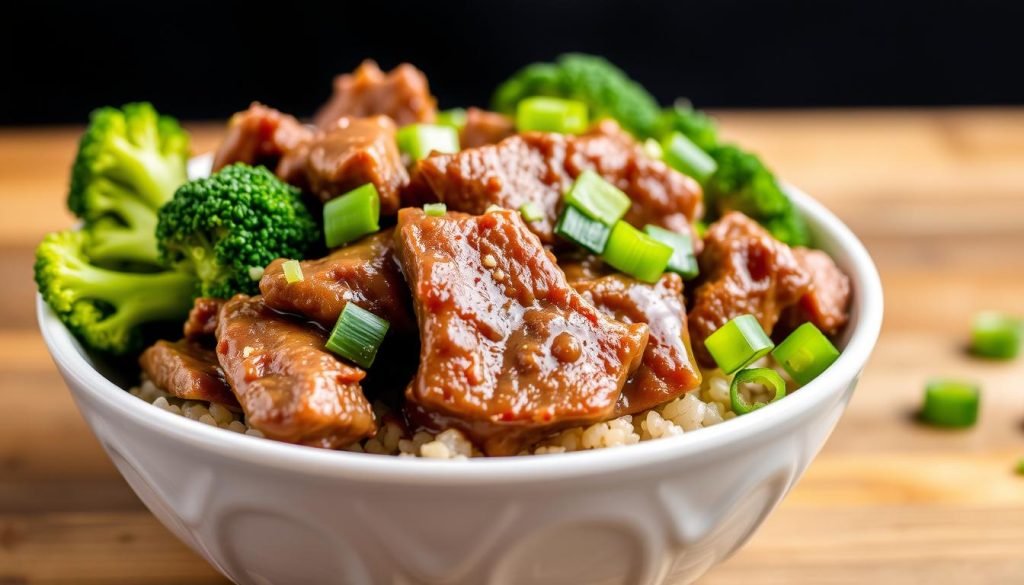
The Ginger Beef and Broccoli Protein Bowl is a nutrient-dense meal that combines the savory flavors of beef and broccoli with the nutritional benefits of brown rice.
This dish is not only delicious but also packed with protein, complex carbohydrates, and healthy fats, making it an ideal meal for fitness enthusiasts and individuals looking for a balanced diet.
Nutritional Profile and Recovery Benefits
The Ginger Beef and Broccoli Protein Bowl offers a balanced mix of macronutrients, with beef providing high-quality protein, broccoli offering a rich source of vitamins and fiber, and rice supplying complex carbohydrates for sustained energy.
This combination supports muscle recovery and replenishes energy stores, making it an excellent post-workout meal.
Ingredients List
- 1 cup beef strips
- 2 cups broccoli florets
- 1 cup cooked brown rice
- 1/4 cup ginger sauce (soy sauce, honey, ginger, garlic)
- 2 tablespoons sesame oil
- Green onions for garnish
Step-by-Step Preparation
Begin by preparing the ginger sauce, combining low-sodium soy sauce, honey, freshly minced ginger, garlic, and a tablespoon of water in a small bowl, whisking until well incorporated.
Heat sesame oil in a large skillet or wok over medium-high heat until shimmering but not smoking.
Add the thinly sliced beef to the hot oil in a single layer, working in batches if necessary, and cook for 2-3 minutes per side until browned but still slightly pink in the center.
Remove the beef from the skillet and set aside, then add the broccoli florets to the same pan, stir-frying for 3-4 minutes until bright green and crisp-tender.
Return the beef to the skillet with the broccoli, then pour the prepared ginger sauce over everything, stirring continuously for 1-2 minutes until the sauce thickens slightly and coats the ingredients evenly.
Serve the beef and broccoli mixture over rice and garnish with green onions.
Honey Glazed Salmon Protein Bowl
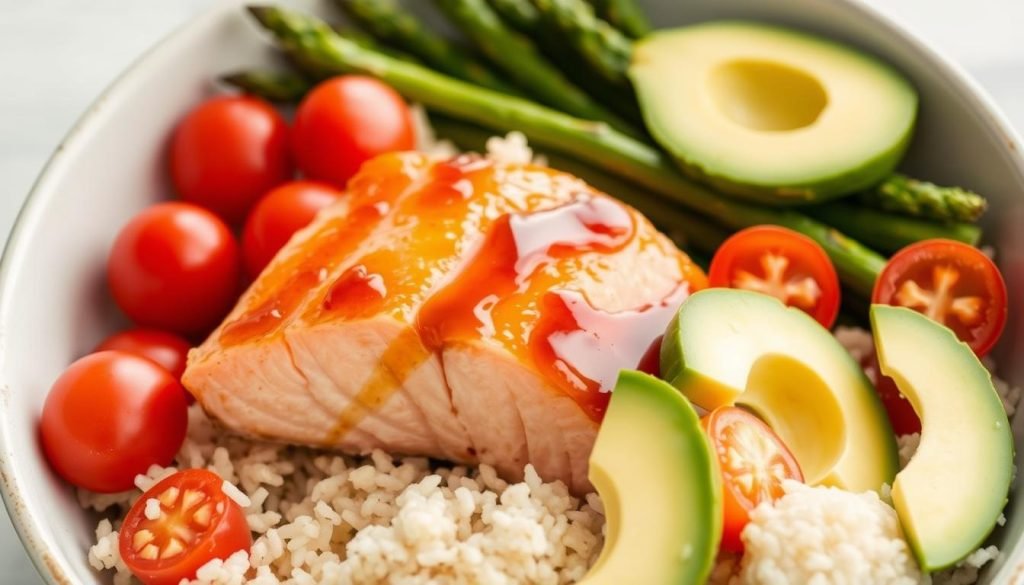
This Honey Glazed Salmon Protein Bowl recipe offers a balanced mix of protein, healthy fats, and complex carbohydrates, making it an ideal meal for energy and muscle recovery.
Nutritional Profile and Recovery Benefits
The salmon provides a boost of protein and omega-3 fatty acids, supporting muscle repair and heart health. Paired with complex carbohydrates like brown rice, this bowl helps sustain energy levels.
Ingredients List
Key ingredients include salmon fillets, honey, soy sauce, garlic, asparagus, cherry tomatoes, olive oil, brown rice, and avocado.
Step-by-Step Preparation
Preheat the oven to 400°F (200°C). Mix honey, soy sauce, garlic, and chili flakes (if using) in a bowl. Place salmon on a baking sheet, brush with the honey mixture, and bake for 12-15 minutes with asparagus and tomatoes. Serve over rice with avocado slices and the remaining honey sauce.
Protein-Packed Base Options
When building a high-protein hearty bowl, selecting the right base is crucial for maximizing nutritional benefits. The base provides the foundation for the rest of the bowl’s ingredients and can significantly impact the overall nutritional content.
Brown Rice and Whole Grains
Brown rice and whole grains are popular base options due to their complex carbohydrates and fiber content. Brown rice contains about 45g of carbs per cup, making it a substantial source of energy. Whole grains like quinoa and farro offer additional protein and fiber, enhancing the nutritional profile of the bowl.
Lower-Carb Alternatives
For those looking to reduce their carbohydrate intake, alternatives like cauliflower rice have gained popularity. Cauliflower rice contains only about 5g of carbs and 25 calories per cup, making it an excellent low-carb option. Other alternatives include spiralized vegetables, hearts of palm rice, and shirataki noodles, offering varying levels of carbs and calories.
| Base Option | Carbs per Cup | Calories per Cup |
|---|---|---|
| Brown Rice | 45g | 215 |
| Cauliflower Rice | 5g | 25 |
| Hearts of Palm Rice | 4g | 20 |
| Shirataki Noodles | 0g | 0 |
Powerful Protein Sources for Your Bowls
When it comes to building high-protein hearty bowls, the protein source is a crucial component. A well-chosen protein source can make all the difference in the nutritional value and overall satisfaction of your meal.
Animal-Based Proteins
Animal-based proteins are a popular choice for many due to their high protein content and rich nutrient profile. These proteins can be derived from various sources such as lean meats, fish, eggs, and dairy products.
Plant-Based Protein Options
For those preferring or requiring plant-based options, there are numerous high-protein choices available. Tofu provides about 10g of protein per 3-oz serving, while tempeh offers 15g for the same amount. Legumes like chickpeas, black beans, and lentils are also excellent sources, providing 7-9g of protein per 1/2 cup. Additionally, seitan, made from vital wheat gluten, contains approximately 21g of protein per 3-oz serving, making it a highly protein-dense option for those without gluten sensitivities.
Vegetables for Added Nutrition and Volume
Incorporating a variety of vegetables into your high-protein hearty bowls is essential for maximizing nutrition and volume. Vegetables add fiber, vitamins, and minerals that are crucial for overall health and muscle recovery.
Nutrient-Rich Veggies for Recovery
Certain vegetables are particularly beneficial for muscle recovery due to their high content of antioxidants and anti-inflammatory compounds. Carrots and cabbage are examples of nutrient-dense vegetables that can be easily incorporated into your bowls.
- Leafy greens like spinach and kale are rich in iron and antioxidants.
- Cruciferous vegetables such as broccoli and cauliflower contain compounds that support muscle recovery.
Preparation Methods for Maximum Nutrition
The way you prepare your vegetables can significantly impact their nutritional value. Methods like steaming for just 3-5 minutes preserve water-soluble vitamins, while quick stir-frying at high heat for 2-3 minutes maintains crispness and color. Roasting at moderate temperatures (around 350-375°F) enhances flavor and preserves heat-stable nutrients, making your dish both nutritious and delicious.
| Preparation Method | Nutritional Impact | Cooking Time |
|---|---|---|
| Steaming | Preserves water-soluble vitamins | 3-5 minutes |
| Quick Stir-Frying | Maintains crispness and color | 2-3 minutes |
| Roasting | Enhances flavor and preserves heat-stable nutrients | Varies |
Flavorful Sauces and Dressings
Flavorful sauces and dressings are the key to taking your protein bowls to the next level. They not only enhance the taste but also contribute to the nutritional value of your meal.
Healthy Homemade Options
Preparing sauces and dressings at home allows you to control the ingredients and calories. For instance, a simple vinaigrette made with olive oil, apple cider vinegar, and a hint of sesame oil can be a healthy choice for your protein bowl.
Store-Bought Alternatives
When selecting store-bought sauces, look for options with minimal added sugars, lower sodium content, and recognizable ingredients. Many brands now offer healthier alternatives to traditional high-calorie sauces. Some tips for choosing store-bought sauces include:
- Prioritizing those with short, recognizable ingredient lists and minimal added sugars, preservatives, and artificial ingredients.
- Opting for sauces with less than 5g of sugar per serving and ideally under 200mg of sodium.
- Considering refrigerated, fresh sauces that typically contain fewer preservatives than shelf-stable alternatives.
| Sauce Type | Sugar Content | Sodium Content |
|---|---|---|
| Teriyaki Sauce | 4g per serving | 250mg per serving |
| Sesame Ginger Dressing | 3g per serving | 180mg per serving |
| Avocado Ranch | 2g per serving | 150mg per serving |
Meal Prep Strategies for Protein Bowls
To keep your protein bowls fresh and ready to eat, implementing a solid meal prep strategy is essential. This involves several key steps that ensure your meals remain nutritious and appetizing throughout the week.
Batch Cooking Components
Batch cooking is a fundamental aspect of meal prep. By cooking large batches of grains, proteins, and vegetables, you can quickly assemble protein bowls as needed. This approach not only saves time but also helps in maintaining consistency in your diet.
- Cook grains like brown rice, quinoa, or whole wheat in bulk.
- Prepare proteins such as chicken, beef, or tofu in large quantities.
- Roast a variety of vegetables to add to your bowls.
Storage and Reheating Tips
Proper storage and reheating techniques are crucial for maintaining the quality of your prepped ingredients. Store each component separately in airtight containers to preserve freshness and prevent flavor transfer.
| Component | Storage Duration | Reheating Tip |
|---|---|---|
| Cooked Proteins | 3-4 days | Reheat gently at lower power to prevent drying out. |
| Cooked Grains | 4-5 days | Add a splash of water or broth before microwaving. |
| Roasted Vegetables | 4-5 days | Reheat in the oven or microwave until warmed through. |
By following these meal prep strategies, you can enjoy healthy, delicious protein bowls throughout the week without the daily hassle of cooking. Effective meal prep not only saves time but also ensures that you’re consistently fueling your body with the nutrients it needs.
Timing Your Protein Bowls for Optimal Recovery
Optimizing your protein bowl timing is crucial for maximizing muscle recovery and energy replenishment. Consuming a meal with the right balance of protein and carbs at the appropriate time can significantly enhance your workout results.
Nutrition Before Your Workout
Pre-workout nutrition sets the stage for a successful exercise session. Focusing on complex carbohydrates and moderate protein can help fuel your workout.
The Post-Workout Window
Consuming a meal within 30-60 minutes after exercise can enhance recovery, particularly after intense or long training sessions. Prioritizing high-quality protein (25-30g) and proportional carbs (50-75g) can stimulate muscle protein synthesis and replenish glycogen stores.
Customizing Bowls for Specific Fitness Goals
Customizing your protein bowls to meet specific fitness goals can be a game-changer in your fitness journey. Whether you’re aiming for weight loss or muscle gain, adjusting the macronutrient composition of your meals can significantly impact your progress.
Weight Loss Modifications
For weight loss, it’s essential to create a calorie deficit while maintaining sufficient protein to preserve muscle mass. Adjust your bowls by reducing carbohydrate content and adding more fiber-rich vegetables. This approach helps in keeping you full while reducing overall calories.
- Reduce portion sizes to lower calorie intake.
- Increase the amount of vegetables to add fiber and nutrients.
- Limit the amount of high-carb ingredients.
Muscle Building Adjustments
To build muscle, you’ll need to be in a calorie surplus with a balanced intake of protein, carbs, and healthy fats. Ensure your bowls contain adequate protein (1.6-2.2g per kg body weight) and substantial carbohydrates to fuel your workouts and support recovery.
- Increase overall calories, particularly from protein and carbs.
- Include healthy fats to support hormone production.
- Time your meal around your workout for optimal recovery.
Common Mistakes When Making High-Protein Hearty Bowls
When preparing high-protein hearty bowls, several common mistakes can undermine the nutritional quality and effectiveness of the meal. These errors can impact the balance of macronutrients, leading to bowls that are either too high in certain nutrients or lacking in others.
Portion Control Issues
One of the primary concerns is portion control. Many homemade protein bowls contain inadequate protein relative to their carbohydrate and fat content, undermining their effectiveness for muscle recovery and satiety.
Balancing Macronutrients
Balancing macronutrients is crucial. Over-emphasizing a single macronutrient creates imbalanced meals that may not support overall health and performance objectives. A well-balanced bowl should include a mix of protein, complex carbohydrates, and healthy fats.
| Macronutrient | Ideal Balance | Common Mistake |
|---|---|---|
| Protein | 20-30 grams per meal | Inadequate protein content |
| Carbohydrates | Complex carbs like whole grains | Excessive simple carbs |
| Fats | Healthy fats like nuts and avocado | Excessive saturated fats |
By being mindful of these common mistakes, individuals can create high-protein, hearty bowls that support their fitness goals and overall nutritional well-being.
Vegetarian and Vegan Protein Bowl Alternatives
Vegetarian and vegan protein bowl alternatives are not only nutritious but also incredibly versatile. These bowls can be tailored to meet individual protein needs by incorporating a variety of plant-based protein sources.
Plant-Based Protein Combinations
Combining different plant-based proteins can create a complete amino acid profile. For example, pairing beans with quinoa provides all the essential amino acids necessary for muscle repair and overall health.
Ensuring Complete Amino Acid Profiles
To ensure a complete amino acid profile in a meal, one can combine complementary proteins. Certain plant foods like quinoa and hemp seeds are naturally complete proteins, making them excellent choices for plant-based bowls.
| Plant-Based Protein | Amino Acid Profile | Complementary Protein |
|---|---|---|
| Beans | Lacking in methionine | Rice, corn |
| Quinoa | Complete protein | N/A |
| Hemp Seeds | Complete protein | N/A |
To Conclude This Protein Hearty Bowls
Incorporating high-protein hearty bowls into your diet can significantly enhance your nutritional intake. These bowls offer a versatile and nutritious approach to supporting energy levels and muscle recovery. By understanding the principles behind effective bowl construction, you can create delicious and balanced meals that align with your fitness goals.
The three featured recipes provide a foundation that can be adapted to your specific needs, offering practical advantages like meal prep compatibility and cost-effectiveness.