3 Easy Diet-Friendly Dishes That Don’t Compromise on Flavor
3 Easy Diet-Friendly Dishes That Are Big on Flavor, Not Calories
Eating healthy doesn’t have to mean sacrificing flavor. Many believe that diet-friendly meals are bland and unsatisfying, but this couldn’t be further from the truth. With the right combination of ingredients and cooking techniques, it’s possible to create delicious and nutritious meals that support weight management goals.
By focusing on balanced macronutrients and using herbs and spices to enhance flavor, we can create recipes that are both healthy and tasty. In this article, we’ll explore three easy-to-prepare meals that are not only low in calories and fat but also high in protein and flavor.
Key Takeaways
- Three easy-to-prepare meals that support weight management goals
- Balanced macronutrients and flavor enhancement techniques
- Low in calories and fat, high in protein and flavor
- Adaptable recipes for various dietary needs
- Complete nutritional information for informed meal planning
The Challenge of Healthy Eating Without Sacrificing Taste
The notion that healthy eating requires bland meals is a common misconception. Many people believe that diet food is inherently flavorless, leading to a false dichotomy between “tasty” and “healthy” in our food culture.
Common Misconceptions About Diet Food
The food industry has perpetuated the myth that low-calorie or low-fat foods automatically mean low flavor. However, numerous recipes demonstrate that healthy dishes can be flavorful. For instance, a Zucchini Crust Pizza has just 142 calories and 7g of fat per piece while still delivering satisfying taste.
- Many believe healthy eating means enduring bland meals, leading to abandoning dietary goals.
- The science of flavor perception shows how umami, acidity, and aromatic compounds create satisfying taste experiences without excessive calories.
The Science Behind Flavor in Healthy Cooking
Understanding how different cooking techniques like roasting, grilling, and slow-cooking can enhance natural flavors without adding fat is crucial. Strategic use of herbs, spices, and flavor-concentrated ingredients can transform simple, healthy ingredients into crave-worthy meals.
The psychological component of satisfaction from meals goes beyond just taste and includes texture, temperature, and visual appeal. Modern nutritional science supports that healthy eating can and should be enjoyable for sustainable lifestyle changes.
What Makes a Meal Truly Diet-Friendly?
The key to a diet-friendly meal lies in its ability to balance macronutrients effectively, ensuring satisfaction and supporting weight management. A well-balanced meal is crucial for maintaining overall health while managing weight.
Balancing Macronutrients for Weight Management
A diet-friendly meal typically contains 20-30g of protein to support muscle maintenance and promote fullness. Complex carbohydrates from vegetables, whole grains, and legumes provide sustained energy and essential nutrients. Healthy fats are also crucial for hormone production, nutrient absorption, and satisfaction.
Calorie Control Without Counting Every Bite
Effective calorie control can be achieved without meticulous counting by focusing on nutrient-dense foods and practicing volume eating principles. This approach allows for satisfying portion sizes while maintaining a healthy calorie intake. Additionally, being mindful of the glycemic impact of a meal can help manage hunger levels and energy.
Key Ingredients That Add Flavor Without Extra Calories
Healthy eating doesn’t have to mean sacrificing flavor, thanks to certain key ingredients. The right combination of herbs, spices, and other flavor enhancers can transform simple dishes into culinary delights without adding extra calories.
Herbs and Spices That Transform Simple Dishes
Aromatic herbs like basil, cilantro, and rosemary can elevate ordinary ingredients into restaurant-quality dishes. Spice blends from various culinary traditions offer complex flavor profiles without caloric impact. For instance, adding a Mediterranean spice mix to your recipe can enhance the flavor of grilled chicken or vegetables.
Low-Calorie Flavor Boosters for Any Recipe
In addition to herbs and spices, other ingredients can add depth and complexity to your dishes. Citrus zests and juices provide brightness, while fermented ingredients like miso and kimchi deliver umami flavor. Vinegars create dimension in sauces and dressings without the calories of oil-heavy alternatives. Aromatic vegetables like onions and garlic create flavor foundations with minimal caloric contribution.
| Ingredient | Flavor Profile | Caloric Impact |
|---|---|---|
| Herbs (basil, cilantro) | Aromatic, fresh | Minimal |
| Citrus Zest | Bright, citrusy | Low |
| Fermented Ingredients (miso, kimchi) | Umami, complex | Variable, generally low |
By incorporating these ingredients into your recipe, you can create delicious, diet-friendly meals that are low in fat and calories but high in flavor.
Meal #1: Mediterranean Protein-Packed Breakfast Bowl
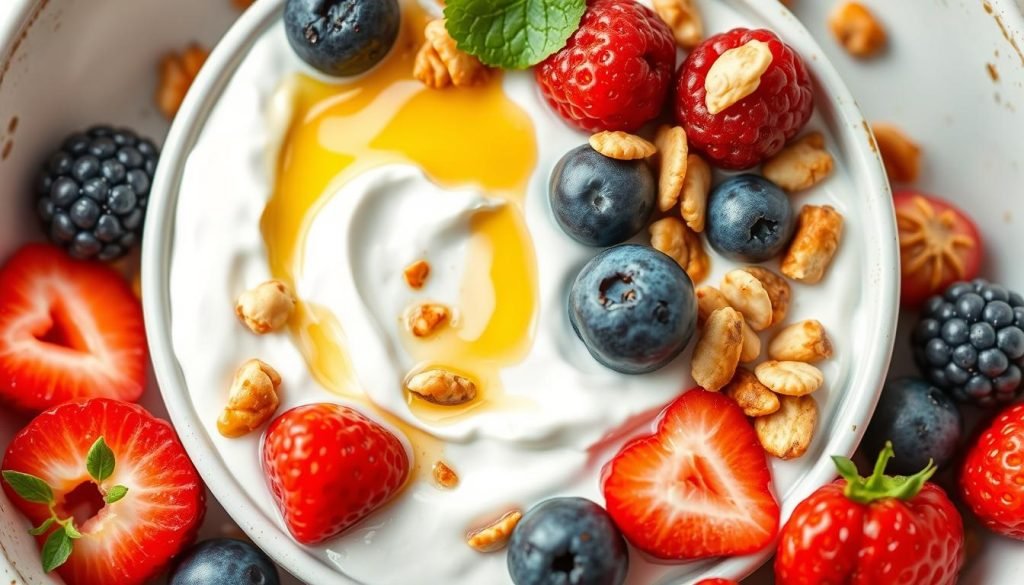
For a breakfast that’s both healthy and satisfying, consider a Mediterranean Protein-Packed Breakfast Bowl that combines the best of the region’s culinary traditions. This breakfast bowl is designed to provide a balanced mix of lean protein, healthy fats, and complex carbohydrates to keep you energized throughout the morning.
Recipe Ingredients and Preparation
The base recipe for this Mediterranean-inspired breakfast bowl features Greek yogurt, which provides approximately 15-20g of protein, fresh berries, toasted nuts, and a drizzle of honey. Optional additions include quinoa for added protein and fiber or a soft-boiled egg for extra protein. Preparation is simple and quick, taking under 10 minutes, making it a realistic option for busy mornings.
The ingredients are easily customizable based on seasonal availability, allowing you to keep the meal interesting year-round. For example, you can swap out the berries for other fruits or change the type of nuts used.
Nutritional Benefits and Flavor Profile
This breakfast bowl is not only delicious but also packed with nutrients. The protein content helps control hunger hormones, preventing mid-morning snacking and energy crashes. The healthy fats from nuts and olive oil promote satiety and support nutrient absorption without excessive calories. The flavor profile balances tangy yogurt with sweet berries and honey, plus the nutty crunch of toasted almonds or walnuts.
Nutritionally, this meal provides approximately 300-350 calories, with about 20-25g of protein. It’s rich in calcium, probiotics, antioxidants, and fiber—nutrients often lacking in typical American breakfasts. The combination of these ingredients supports weight management goals and overall nutritional well-being.
Why Mediterranean-Style Breakfasts Support Weight Management
Research consistently demonstrates that Mediterranean dietary patterns contribute to healthy weight maintenance. This eating pattern is characterized by high consumption of fruits, vegetables, whole grains, and healthy fats, particularly from sources like olive oil and nuts.
The Role of Protein in Morning Meals
Consuming a protein-rich breakfast is crucial for weight management. Studies show that a breakfast with 20-30g of protein significantly improves satiety compared to carbohydrate-heavy options. The protein triggers hormonal responses that regulate appetite throughout the day, reducing cravings for high-calorie foods.
How Mediterranean Breakfast Keeps You Full
The combination of protein and fiber in Mediterranean breakfasts creates a dual mechanism for prolonged fullness. The healthy fats slow gastric emptying, extending the feeling of fullness without excessive calorie intake. This balanced meal supports health and aids in diet management.
| Nutrient | Benefit | Example |
|---|---|---|
| Protein | Regulates appetite, improves satiety | Eggs, Greek yogurt |
| Healthy Fats | Slows gastric emptying, extends fullness | Olive oil, nuts |
| Fiber | Contributes to prolonged fullness | Fruits, vegetables |
The nutrient density of Mediterranean breakfast components supports metabolic health, potentially improving how the body processes calories throughout the day. Consistent protein consumption at breakfast has been shown to support preservation of lean muscle mass during weight loss efforts.
Meal #2: Zucchini Crust Pizza with Fresh Toppings
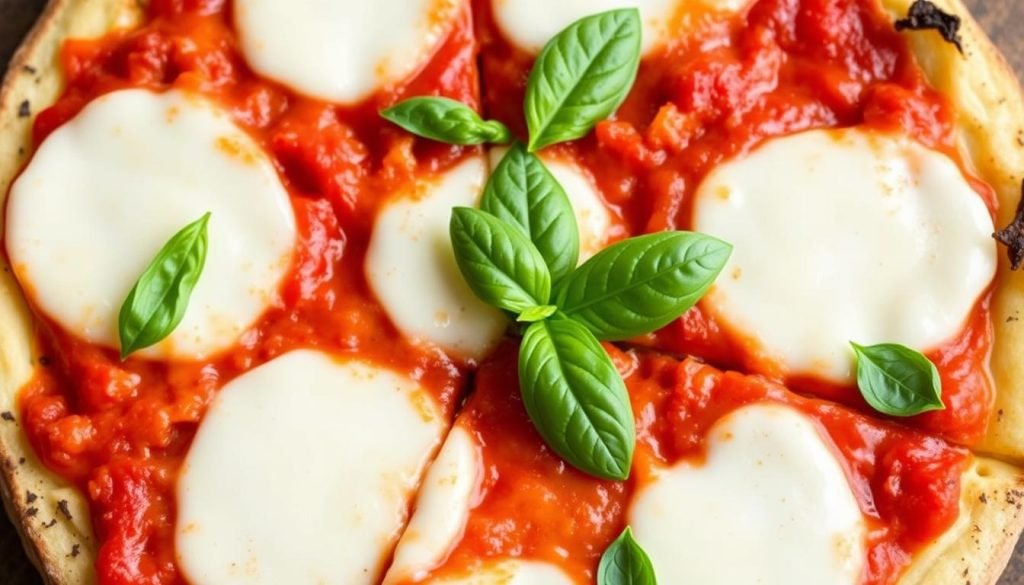
Transform your pizza nights with our innovative zucchini crust pizza recipe. This healthier alternative to traditional pizza crust uses grated zucchini, significantly reducing carbohydrates and calories while adding essential nutrients.
Recipe Ingredients and Step-by-Step Instructions
To make this delicious pizza, you’ll need 2-3 medium zucchini, 1 egg, 1/4 cup almond flour, 1/2 cup grated Parmesan, and Italian herbs for flavor. The process involves squeezing excess moisture from the grated zucchini, mixing with other crust ingredients, and pre-baking before adding toppings. The crust bakes at 425°F for 15 minutes before adding your favorite toppings, then returns to the oven until the cheese is melted and bubbly.
Nutritional Information and Serving Suggestions
Each serving (1/6 of a 12-inch pizza) contains approximately 150-175 calories, 11g of protein, and 7g of fat, making it a significantly lighter option than traditional pizza. The high fiber content from the zucchini and vegetable toppings promotes fullness despite the lower calorie count. Recommended toppings include fresh tomato sauce, part-skim mozzarella, and plenty of vegetables like bell peppers, mushrooms, and fresh basil. This recipe is easily adaptable for different dietary needs, including dairy-free options using nutritional yeast instead of cheese.
Pair this zucchini crust pizza with a simple side salad for a complete meal under 300 calories. With its balanced mix of protein, healthy fat, and complex carbohydrates, this meal supports weight management and overall nutrition.
The Benefits of Vegetable-Based Alternatives to Traditional Carbs
Using vegetable alternatives to traditional carbs can be a game-changer for those looking to manage their weight effectively. Vegetable-based alternatives offer a nutritious and flavorful way to reduce carbohydrate intake without sacrificing meal satisfaction.
One of the primary benefits of vegetable substitutions is their ability to cut calories significantly. For instance, zucchini noodles contain approximately 30-40 calories per cup, compared to over 200 calories in traditional pasta. Similarly, cauliflower rice provides a similar volume to regular rice, with about 25 calories per cup, versus 200 calories for white rice.
Reducing Calories with Vegetable Substitutions
Vegetable-based alternatives typically reduce caloric content by 60-70% while increasing nutrient density. The high water content and fiber in vegetables like zucchini, cauliflower, and squash create volume and satiety with minimal caloric impact. This makes it easier to manage weight by controlling calorie intake without feeling deprived.
- Cauliflower pizza crust and zucchini noodles are popular alternatives that significantly reduce calorie counts.
- These substitutions increase the fiber content of meals, promoting fullness despite lower calorie counts.
- Vegetable alternatives often provide additional micronutrients missing in refined carbohydrates.
Maintaining Satisfaction with Lower-Carb Options
Maintaining satisfaction with lower-carb options is crucial for long-term success. Research shows that the volume of food, not just calorie content, significantly impacts perceived fullness and satisfaction. Proper cooking techniques can make vegetable alternatives more satisfying by mimicking the mouthfeel of traditional carbs.
By incorporating vegetable-based alternatives into your diet, you can enjoy larger portion sizes while maintaining calorie control, addressing psychological satisfaction needs. This approach supports overall health while managing weight effectively.
3 Flavor-Packed Diet-Friendly Recipes You’ll Love: Easy, Healthy & Trendy Meals
Discover these 3 modern, diet-friendly recipes full of flavor, not calories. From cauliflower taco bowls to creamy vegan pasta and Asian salmon wraps, these easy meals are perfect for healthy eating without compromise:
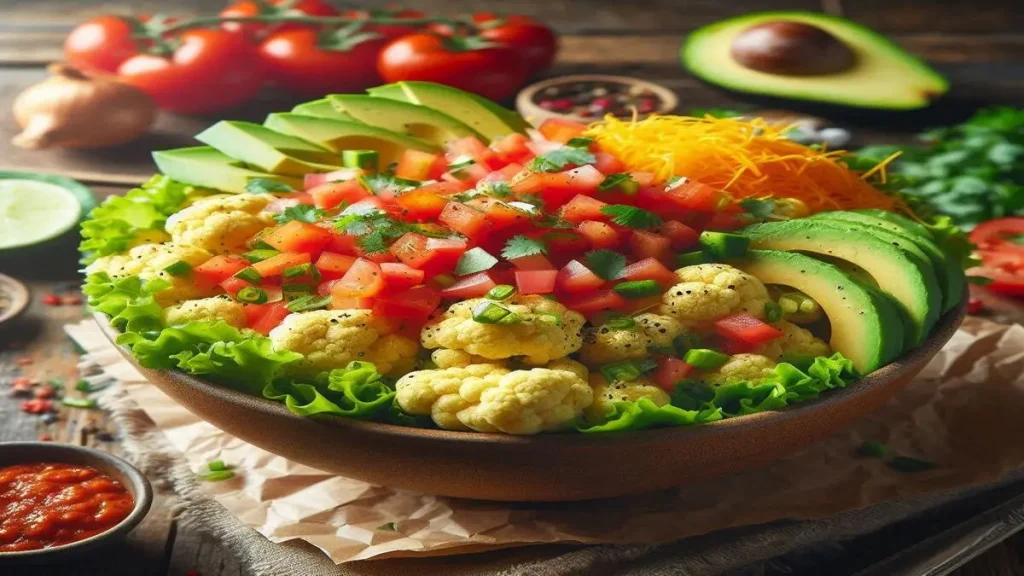
1. Zesty Cauliflower Taco Bowls
Flavor-packed and low-carb, these bowls bring bold Tex-Mex vibes without the tortillas.
Ingredients:
- Cauliflower rice
- Black beans
- Avocado slices
- Grilled chicken or tofu
- Cherry tomatoes, corn, red onions
- Lime, cilantro, and Greek yogurt (for sauce)
Preparation:
- Sauté cauliflower rice in olive oil with garlic and cumin.
- Season and grill chicken (or tofu), then slice.
- Build your bowl: cauliflower base + toppings + drizzle of Greek yogurt/lime sauce.
Big Tip:
Roast the cauliflower rice briefly in the oven (10 min at 400°F) for a slightly crispy, nutty texture that mimics real rice better.
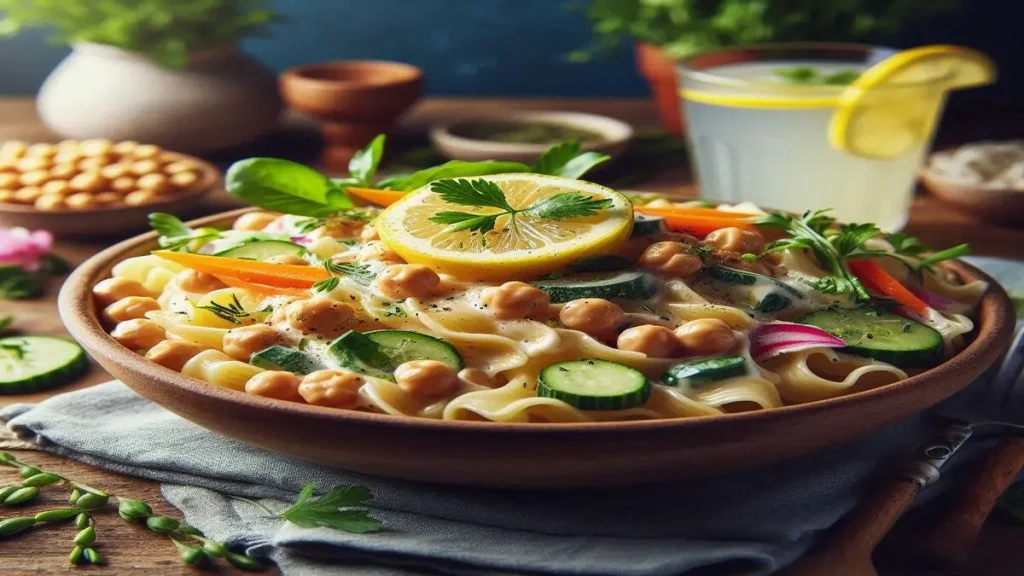
2. Creamy Lemon-Chickpea Pasta (Vegan)
A gut-friendly, plant-based dish that feels indulgent but is light and nutrient-packed.
Ingredients:
- Chickpea pasta
- Garlic, shallots
- Spinach or kale
- Unsweetened almond milk
- Lemon zest & juice
- Nutritional yeast or vegan parmesan
Preparation:
- Cook pasta al dente.
- Sauté garlic and shallots, then add almond milk and lemon.
- Stir in spinach and pasta; finish with nutritional yeast.
Big Tip:
Add a tablespoon of tahini to the sauce to boost creaminess and make it more satisfying, without dairy.
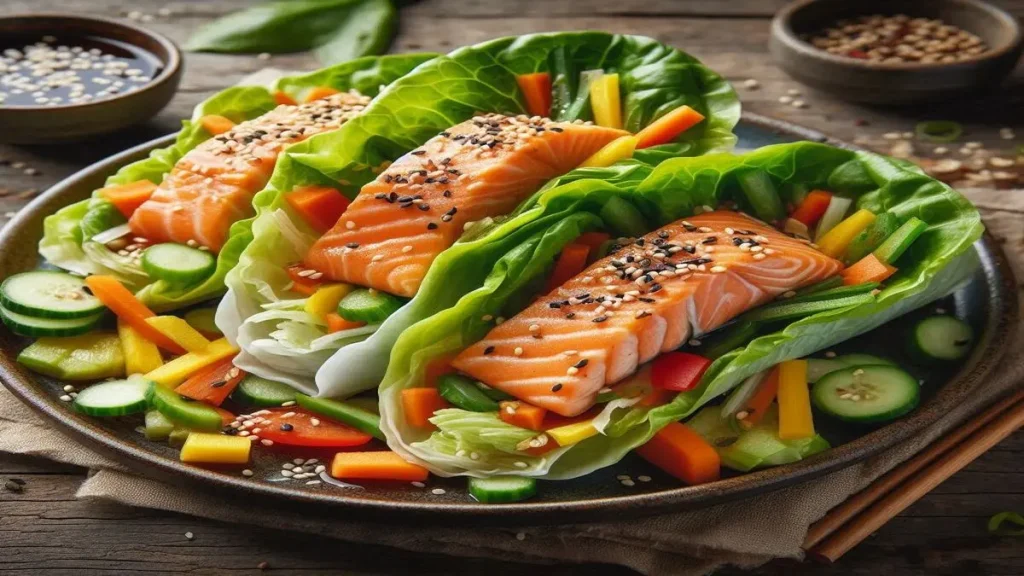
3. Asian-Inspired Salmon Lettuce Wraps
Low in carbs but bursting with flavor, these wraps are ideal for clean eating without feeling restricted.
Ingredients:
- Salmon fillet (baked or air-fried)
- Butter lettuce leaves
- Cucumber, carrots, red cabbage (julienned)
- Soy sauce, sesame oil, honey, ginger
- Optional: sriracha or chili flakes
Preparation:
- Bake salmon with sesame-soy-ginger glaze until flaky.
- Fill lettuce cups with shredded salmon, veggies, and a drizzle of sauce.
- Serve fresh with lime on the side.
Big Tip:
Top with toasted sesame seeds and crushed roasted peanuts for texture and a flavor boost that feels restaurant-worthy.
Customizing Your Zucchini Pizza for Different Dietary Needs
The versatility of zucchini crust pizza allows for numerous dietary adaptations. Whether you’re looking for dairy-free, vegan, high-protein, or low-fat options, this recipe can be tailored to suit various dietary preferences.
Dairy-Free and Vegan Topping Options
For those who are dairy-free or vegan, there are several alternatives to traditional cheese. Nutritional yeast provides a cheesy flavor, while cashew-based cheese alternatives offer similar meltability. Vegan pizza options can also include plant-based protein sources like seasoned tofu crumbles, tempeh, or legumes to maintain protein content.
Adding Lean Proteins for Extra Satiety
To increase the protein content of your zucchini pizza, consider adding lean proteins such as grilled chicken breast, turkey pepperoni, or shrimp. These options add substantial protein with minimal added fat.
| Topping | Protein Content | Fat Content |
|---|---|---|
| Grilled Chicken Breast | 30g | 6g |
| Turkey Pepperoni | 10g | 8g |
| Shrimp | 20g | 2g |
By choosing the right toppings and being mindful of the ingredients, you can enjoy a delicious and healthy zucchini pizza that meets your dietary needs.
Meal #3: Sheet Pan Salmon with Roasted Vegetables
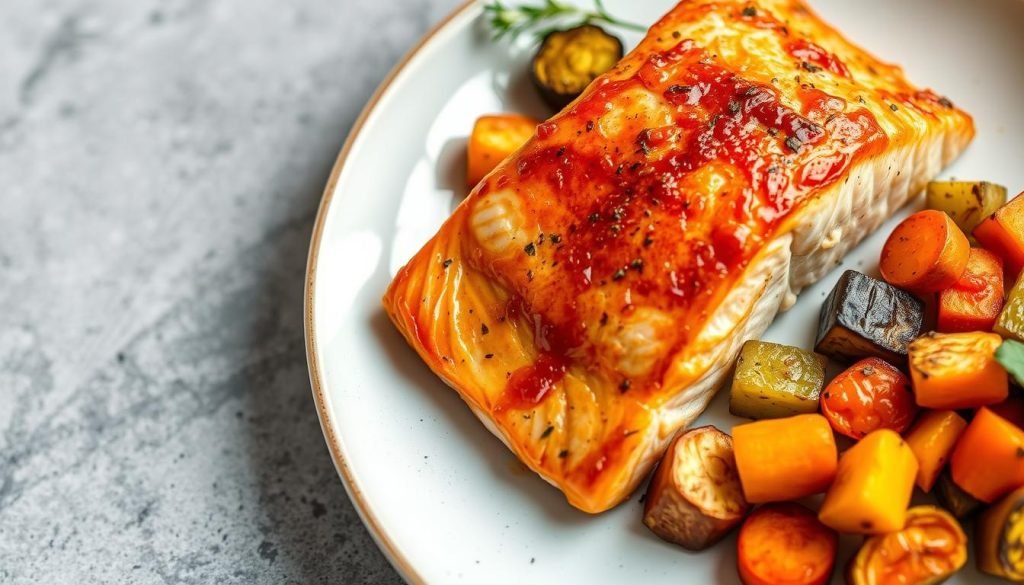
For a healthy and delicious meal, try our Sheet Pan Salmon with Roasted Vegetables recipe, ready in under 30 minutes. This one-pan meal features heart-healthy salmon fillets alongside a colorful array of roasted vegetables for a complete, balanced dinner.
Cooking Method and Ingredients
The recipe requires simple ingredients: salmon fillets, 3-4 cups of mixed vegetables (like bell peppers, broccoli, cherry tomatoes, and red onion), olive oil, lemon, garlic, and herbs. Preparation involves tossing vegetables with olive oil, salt, pepper, and herbs, then arranging them on a sheet pan with salmon fillets seasoned with lemon, garlic, and dill.
The entire meal roasts at 425°F for approximately 12-15 minutes, making it a quick weeknight option. This easy sheet pan salmon recipe is perfect for those looking for a hassle-free dinner solution.
Nutritional Benefits
Each serving provides approximately 350 calories, 25g of protein, and 15g of healthy fat, primarily from the omega-3-rich salmon. The meal delivers exceptional nutritional value with high amounts of vitamin D, B vitamins, potassium, and antioxidants from the colorful vegetables.
The salmon in this recipe supports heart health, brain function, and has anti-inflammatory properties that may aid weight management. With its high protein content and healthy fat, this meal is both satisfying and nutritious.
Why Salmon Is a Superfood for Diet-Friendly Dishes
Salmon’s unique combination of nutrients earns it a special place in the category of superfoods, especially for diet-conscious individuals. Its rich nutritional profile makes it an ideal choice for those seeking to maintain a healthy diet without sacrificing flavor.
Omega-3 Fatty Acids and Weight Management
Salmon contains a unique profile of omega-3 fatty acids, including EPA and DHA, which have been shown to reduce inflammation and potentially improve fat metabolism. Regular consumption of omega-3-rich fish like salmon may help reduce abdominal fat, associated with metabolic health risks. The omega-3s in salmon also support overall health by regulating hormones that control hunger and satiety.
Protein Content and Metabolic Benefits
The protein in salmon has a complete amino acid profile, providing all essential amino acids needed for muscle maintenance and recovery. With about 22-25g of protein per 4oz serving, salmon’s protein content has a higher thermic effect than carbohydrates, meaning the body burns more calories digesting it. This satiating effect helps reduce overall calorie intake in subsequent meals, supporting weight management goals.
The Convenience Factor: One-Pan Cooking for Busy Lifestyles
Busy lifestyles demand efficient cooking methods, and sheet pan meals are a game-changer. This approach simplifies meal preparation, cooking, and cleanup, making healthy eating more accessible.
Time-Saving Benefits of Sheet Pan Meals
Sheet pan cooking reduces active cooking time to under 15 minutes, with the oven handling the remaining work. This method is ideal for busy weeknights, allowing for the preparation of complete, balanced meals with protein, vegetables, and sometimes starch all in one pan.
Most sheet pan meals can be prepped quickly, and recipes like Sheet-Pan Pineapple Chicken Fajitas can be ready in just 40 minutes. This efficiency is a significant advantage for those with limited time.
| Recipe | Prep Time (minutes) | Total Time (minutes) |
|---|---|---|
| Sheet-Pan Pineapple Chicken Fajitas | 10 | 40 |
| Sheet Pan Fish and Vegetables | 12 | 25 |
Clean-Up Shortcuts for Healthier Eating Habits
Lining sheet pans with parchment paper or foil significantly reduces cleanup time without adding extra fat or calories. This simple step makes healthy eating more sustainable by minimizing post-meal chores.
Sheet pan cooking typically uses less added fat than stovetop methods, as the dry heat of the oven creates browning and flavor. This method also allows for batch cooking, making it easier to plan meals for the week.
Meal Prep Strategies for Diet-Friendly Cooking
By dedicating a few hours on the weekend to meal prep, you can set yourself up for a week of healthy, delicious meals. Effective meal prep involves planning, shopping, and preparing ingredients in advance to make cooking easier and faster during the week.
Weekend Prep for Weekday Success
Dedicating 2-3 hours on weekends for meal preparation can save 5-10 hours during the busy workweek while ensuring healthy meals are always available. Some effective strategies include batch cooking proteins like grilled chicken, hard-boiled eggs, or roasted salmon, which provide ready-to-use protein sources for quick meal assembly.
Pre-chopping vegetables early in the week removes a major preparation barrier and makes it easier to include more vegetables in daily meals. Preparing versatile bases like quinoa, brown rice, or roasted sweet potatoes creates foundations for multiple different meals throughout the week.
Storage Tips to Maintain Freshness and Flavor
Properly storing prepped foods in glass containers rather than plastic extends freshness and prevents flavor transfer between items. Mason jar salads with dressing on the bottom and greens on top stay fresh for 3-5 days, providing grab-and-go lunch options.
Freezing individual portions of soups, stews, and casseroles creates a personal “frozen food section” of healthy options for busy nights. Investing in quality storage containers with secure lids prevents food waste and maintains the quality of prepped ingredients.
Adapting These Recipes to Different Dietary Restrictions
Dietary restrictions don’t have to limit your culinary creativity; they can actually inspire it. The three diet-friendly meals presented can be easily adapted to various dietary needs, ensuring that everyone can enjoy them.
Gluten-Free, Dairy-Free, and Vegan Modifications
For individuals with gluten intolerance, the recipes can be made gluten-free with minor adjustments, such as verifying that spice blends are free from wheat fillers. Dairy-free alternatives can be used in place of traditional dairy products; for example, coconut yogurt or silken tofu can replace Greek yogurt in the Mediterranean breakfast bowl. Vegan adaptations can be made by substituting marinated tempeh or tofu steaks for salmon, maintaining the protein content while altering the flavor profile.
For those following a keto or very low-carb diet, the zucchini pizza crust can be made even lower in carbs by substituting almond flour for any regular flour, thus reducing the calories and fat content.
Low-Sodium and Low-Sugar Adaptations
Low-sodium versions of the recipes can be achieved by using fresh herbs and spices instead of pre-made seasoning blends that often contain added salt. For individuals sensitive to FODMAPs, recipes can be modified by choosing appropriate vegetables and avoiding high-FODMAP ingredients like garlic and onions. Low-sugar adaptations can be made by using stevia-sweetened balsamic glaze for the salmon or berries with no added honey in the breakfast bowl.
By making these simple substitutions, each recipe can be tailored to different dietary needs while maintaining its core nutritional benefits, including the right balance of protein and healthy fat.
Common Mistakes When Cooking Diet-Friendly Meals
Cooking healthy meals can be a daunting task, especially when trying to avoid common mistakes that can undermine the nutritional value and flavor of your dishes. Diet-friendly cooking requires attention to detail to prevent common errors that can impact the health benefits of your recipes.
One of the most significant mistakes is overcooking vegetables, which not only reduces their nutritional value but also makes them less appealing. Water-soluble vitamins like B vitamins and vitamin C can be reduced by 50-80% when vegetables are boiled for extended periods. To maintain nutrients and flavor, it’s essential to cook vegetables briefly, using methods like steaming, quick roasting, or sautéing until they are tender-crisp.
Nutrient Loss in Overcooked Vegetables
Overcooking can lead to a significant loss of essential vitamins and minerals. For instance, boiling broccoli for too long can reduce its nutritional value and flavor. To avoid this, cook vegetables until they are just tender.
Hidden Calorie Traps in “Healthy” Ingredients
Many “health foods” like granola, trail mix, and plant-based meat alternatives can contain hidden sugars, oils, and sodium that undermine their health benefits. Being mindful of portion sizes and ingredients can help avoid these calorie traps.
By being aware of these common mistakes, you can create diet-friendly meals that are both nutritious and flavorful.
How These Diet-Friendly Dishes Support Long-Term Health Goals
These diet-friendly dishes are designed to support overall wellness, not just weight loss. They incorporate balanced macronutrients, including healthy fats, protein, and complex carbohydrates, to provide sustained energy throughout the day.
The benefits of these meals extend beyond weight management. They support metabolic health, potentially improving insulin sensitivity and reducing inflammation markers over time. Regular consumption of omega-3-rich foods like salmon has been linked to improved cardiovascular health markers and reduced risk of heart disease.
Beyond Weight Loss: Overall Wellness Benefits
- The high antioxidant content of colorful vegetables supports cellular health.
- Consistent protein intake throughout the day supports muscle maintenance during aging.
- The fiber content supports gut microbiome diversity, linked to improved immune function.
Sustainable Eating Patterns for Lasting Results
These meals demonstrate a sustainable approach to healthy eating that can be maintained long-term. They focus on whole, minimally processed ingredients, making them a great way to develop lifelong healthy eating habits.
Conclusion: Embracing Flavorful, Healthy Eating as a Lifestyle
By focusing on whole foods and smart cooking techniques, you can create a sustainable eating plan that supports your overall wellness. The three featured meals—Mediterranean Protein-Packed Breakfast Bowl, Zucchini Crust Pizza, and Sheet Pan Salmon—demonstrate that healthy eating can be delicious, satisfying, and practical. These recipes prove that managing calories doesn’t require sacrificing flavor or satisfaction when the right ingredients and cooking techniques are employed.
Incorporating these meals into your regular rotation can help you develop a sustainable approach to healthy eating that supports both weight management and overall wellness. The versatility of these base recipes allows for endless variations, preventing the diet boredom that often leads to abandoning healthy eating plans. Each meal showcases different approaches to balancing macronutrients while keeping calories in check—protein-forward breakfast, vegetable-based lunch, and lean protein dinner.
The cooking skills developed through preparing these meals can be applied to other recipes, expanding your repertoire of healthy, flavorful dishes over time. By focusing on nutrient-dense whole foods rather than processed “diet” products, these meals support overall health beyond just weight management. The one-pan cooking approach of the salmon dish shows how healthy cooking can be practical even for busy weeknights, removing a common barrier to home cooking.
Embracing this style of eating as a lifestyle rather than a temporary diet increases the likelihood of maintaining healthy habits long-term. The satisfaction derived from these flavorful meals addresses both physical hunger and psychological satisfaction—the key to sustainable healthy eating. By adopting these recipes and cooking methods, you can enjoy a healthier, more balanced lifestyle that is both delicious and sustainable.